Life Lessons Inspired by Woody Guthrie’s Lyrics
Discover life lessons inspired by Woody Guthrie’s lyrics and gain an inspiring perspective on life through his iconic songs.

Discover life lessons inspired by Woody Guthrie’s lyrics and gain an inspiring perspective on life through his iconic songs.
Read “Greenback Dollar: The Economy According to Woody Guthrie” to discover Woody Guthrie’s unique perspective on the economy.
Cocaine Blues: origins and meaning in Guthrie’s work—a detailed analysis of the history and context of this legendary song.
The portrait of Marjorie Guthrie in Woody’s story reveals little-known aspects of her life. Delve into this captivating story.

Why Woody Guthrie is the father of American folk music: his musical legacy and influence on artists

Discover the instruments and guitar of Woody Guthrie, an iconic figure in American folk music.

Why “This Machine Kills Fascists” appeared on his guitar: understanding the political message behind this phrase
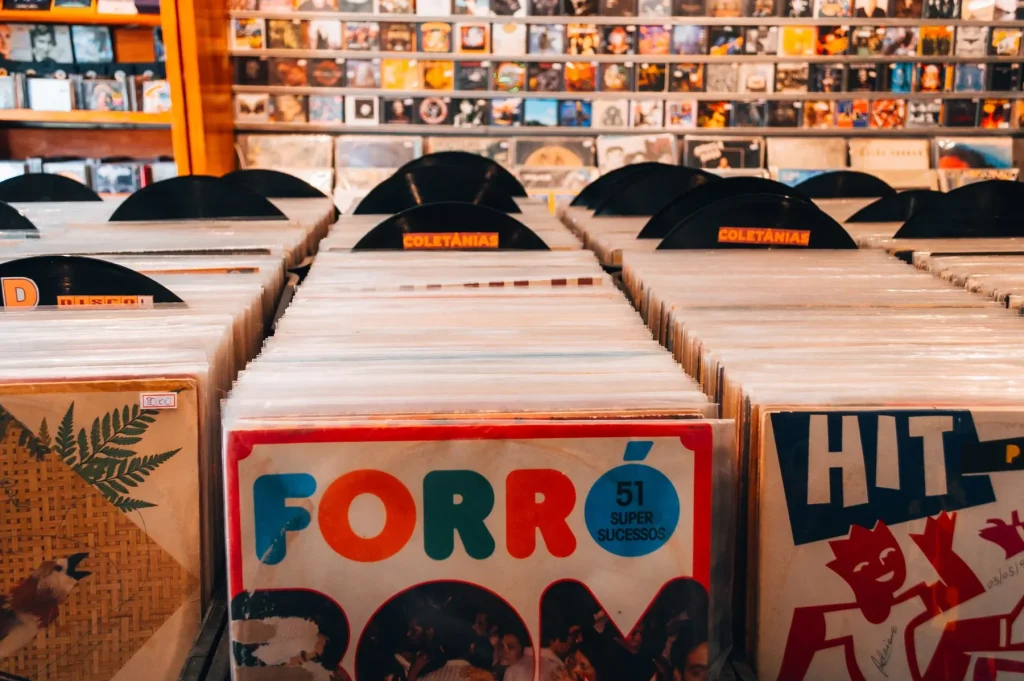
The best Woody Guthrie albums to listen to: our list of essential albums by the legendary folk singer.

Woody Guthrie’s Asch Recordings explained: our ultimate guide to understanding the importance of these Woody Guthrie recordings.

Testimony on Woody Guthrie’s illness and final years: delve into the true story of the legendary folk singer’s struggle.

“Union Maid: Woody Guthrie’s Labor Anthem” is a symbol of working-class resistance. Discover the lyrics and history of this song.

Discover the collaborations between Pete Seeger and Woody Guthrie, two iconic figures in American folk music.
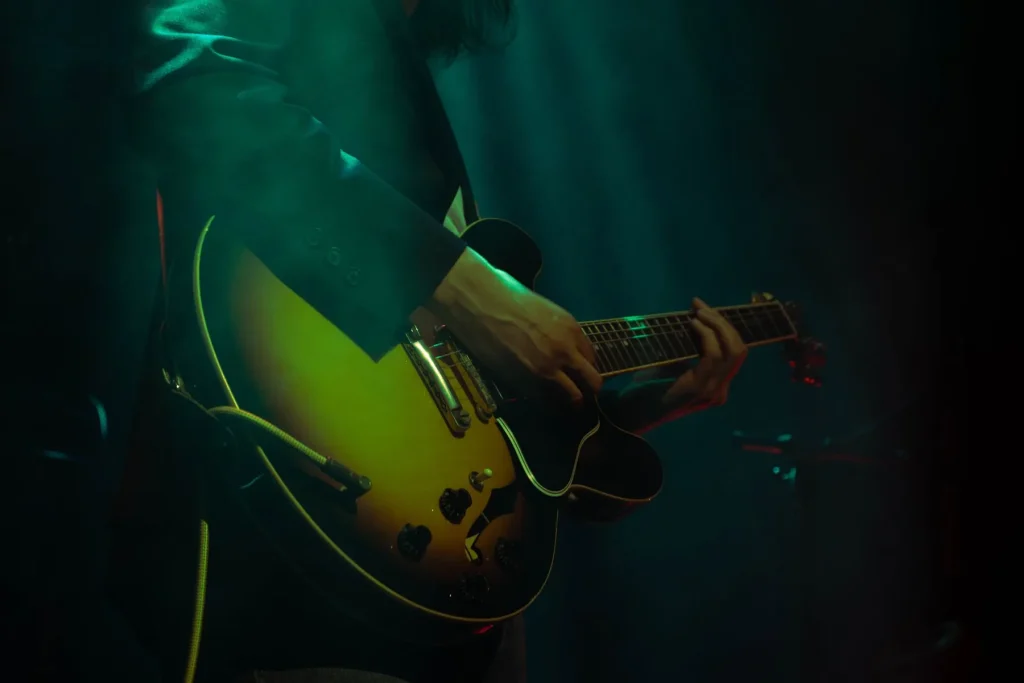
Analysis of Woody Guthrie’s Hobo’s Lullaby: delve into the history and meanings of this iconic song with our ultimate guide.

Explore Woody Guthrie’s essential songs, reflecting his social commitment and influence on music.

Why This Land Is Your Land is emblematic of Guthrie: explore the history and meaning of this song in our ultimate guide.

Dive into our in-depth analysis of “Blonde on Blonde: Bob Dylan’s Legendary Album Explained,” the folk-rock masterpiece of the 1960s.