
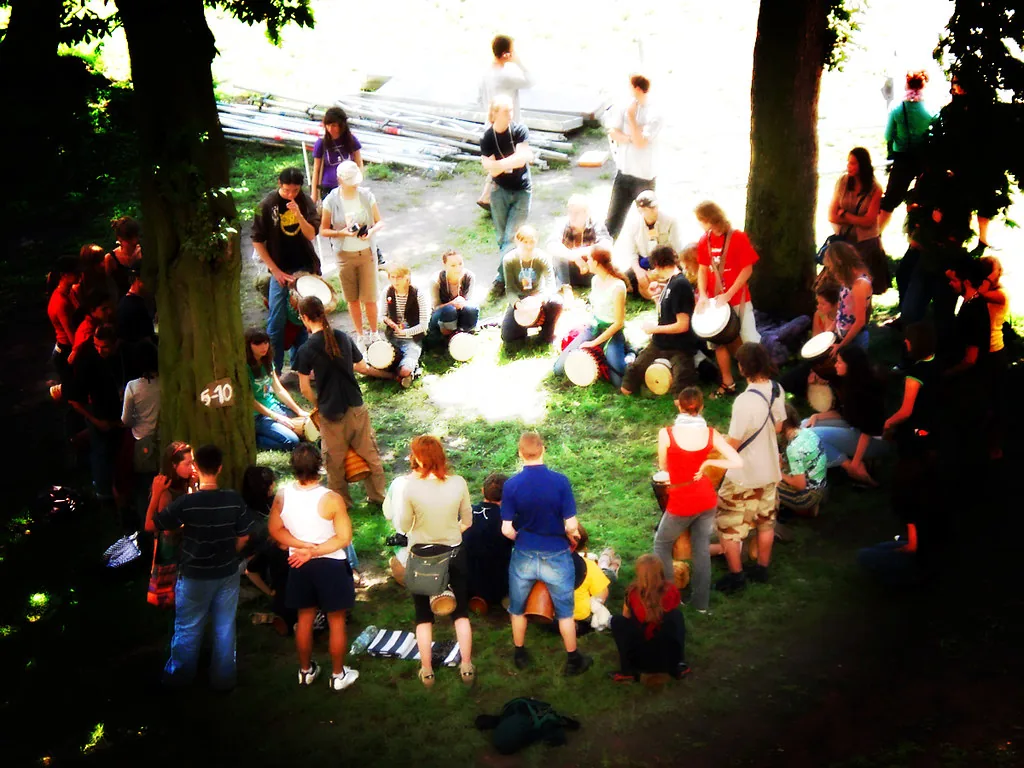
Welcome to this comprehensive guide to reading djembe notes and sheet music. This article is intended for everyone, from beginners to intermediate percussionists. Its aim is to help you structure your musical learning through reading.
We will explore how to move from the oral tradition of African rhythms to written notation. This will help you better understand the basics of rhythmic music theory, time signatures, and percussion symbols.
Each section of this article is designed to be read independently, according to your needs. By following this guide, you will be able to read any djembe score with confidence and accuracy.
Introduction to the djembe and African percussion notation
The djembe is a fascinating instrument that appeals to novices and experienced musicians alike. Its rich sound and ability to bring people together make it an essential part of African music. Every beat tells a story, and every rhythm is an invitation to dance.
Oral tradition plays a crucial role in passing on African rhythms. Listening, repetition, and imitation are the pillars of this learning process. Musicians learn to play together, developing a particular feel for each rhythm. This collective process is essential, especially in groups such as ADAMAO, where the emphasis is on active listening.
Polyrhythm, a fundamental concept in West African percussion, allows several rhythmic patterns to be layered. This creates a rich and complex harmony in which every musician contributes to the whole. This collective approach enriches the musical experience and helps players understand the rhythms more fully.
In the modern world, musicians often have only a few hours a week to practise. This is why using sheet music becomes indispensable. Written resources make memorisation easier and provide a visual representation of djembe and dunun accompaniments, as well as calls and solos. With their help, every percussionist can progress more quickly between lessons.
It is important to stress that this article takes a complementary approach to oral tradition and written notation. Reading sheet music helps structure personal practice and supports effective progress. Basic concepts such as note values and rests will be covered in the following sections, providing a solid foundation for every skill level.
The basics of reading notes and rhythms
Understanding the fundamental elements of musical notation is essential for every musician. These elements make it possible to decode rhythms and interpret sheet music accurately. In this section, we will explore note values, their durations, and how they fit together in music.
Note values: sounds and rests
Note values are symbols that represent the duration of sounds and silences. Each symbol has a precise meaning. For example, a note consists of three elements: the notehead, stem, and flags. These components vary according to the duration being represented.
The following table shows the equivalents between note values and rests:
| Note | Duration | Rest |
|---|---|---|
| Whole note | 4 beats | Whole rest (4 beats) |
| Half note | 2 beats | Half rest (2 beats) |
| Quarter note | 1 beat | Quarter rest (1 beat) |
| Eighth note | ½ beat | Eighth rest (½ beat) |
| Sixteenth note | ¼ beat | Sixteenth rest (¼ beat) |
Note values: quarter notes, eighth notes, half notes, and more
The quarter note is often treated as the reference unit in African percussion scores. Its value is one beat, making it central to the structure of rhythms. Eighth notes divide the beat into two, making it possible to create more complex rhythmic patterns.
Recognising these values is important for playing and understanding patterns correctly. For example, two tied quarter notes equal one half note, which helps create smooth, coherent rhythms.
Dots and ties for extending sounds
A dot placed after a note increases its duration by half of its original value. This makes it possible to create interesting syncopated effects within patterns. A tie, meanwhile, adds together the durations of two notes. For example, two tied quarter notes equal one half note, which can add variety to djembe playing.
Mastering these basics is crucial before moving on to more complex metres. It will allow you to read and interpret simple patterns easily while developing your sense of rhythm.
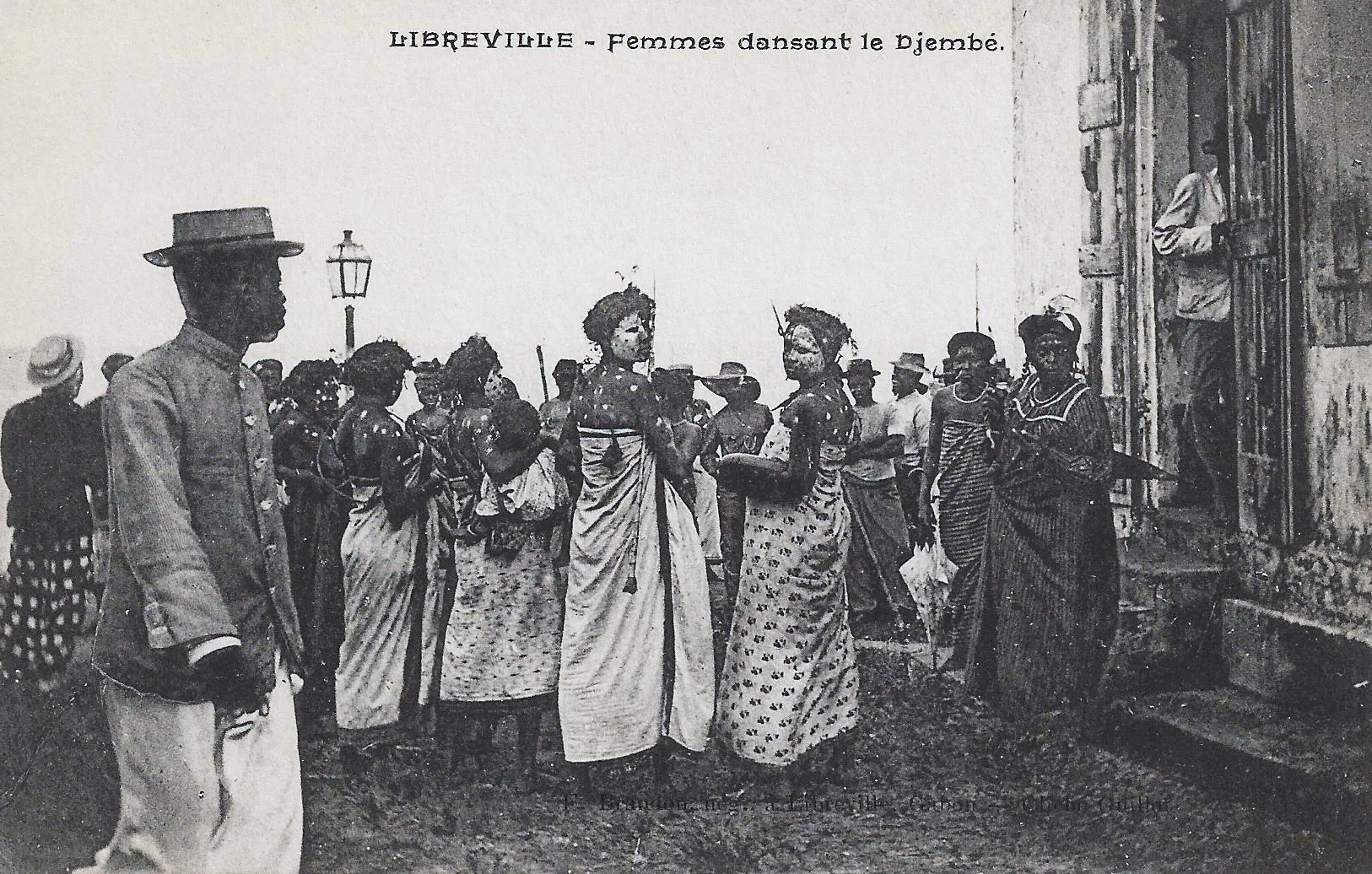
To deepen your knowledge, you can consult online resources such as this website, which offers lessons on rhythmic notation and djembe rhythms.
Understanding bars and time signatures
The bar is a fundamental concept in music. It represents a division of the staff into equal segments marked by vertical bar lines. This structures the rhythmic flow, making rhythms easier to read and interpret.
What is a bar?
A bar is a rhythmic unit containing a set number of beats. Each bar is bounded by vertical lines on the staff. This structure is essential for understanding how rhythms are organised in time.
Time signatures: top and bottom numbers
A time signature consists of two numbers. The top number indicates the number of beats in each bar, while the bottom number specifies the value of each beat. For example, a bar marked 4/4 has four beats, with each beat worth one quarter note.
The following table summarises the values represented by the bottom number of a time signature:
| Bottom number | Value |
|---|---|
| 1 | Whole note |
| 2 | Half note |
| 4 | Quarter note |
| 8 | Eighth note |
| 16 | Sixteenth note |
| 32 | Thirty-second note |
| 64 | Sixty-fourth note |
Ternary and binary metres in percussion
There are two main types of metre: binary and ternary. Binary metres are divided into multiples of 2, such as eighth notes and sixteenth notes. Ternary metres, by contrast, are divided into multiples of 3, which is crucial when playing African rhythms.
A practical example is 12/8, a four-beat ternary metre in which each beat is divided into three eighth notes. Understanding this distinction is essential for respecting the rhythmic structure when performing.
It is also important to identify the time signature correctly before you begin playing. This will help you maintain the pulse and feel the rhythm more clearly. To practise, try counting the beats in different binary and ternary metres.
Symbols and how to interpret them in percussion sheet music
Reading percussion sheet music requires a sound understanding of the symbols used. These symbols are essential for any drummer who wants to interpret a piece correctly. They translate sounds into written notation, making practice and learning easier.
The staff and drum-specific symbols
Unlike melodic instruments, drum notation uses two vertical bars instead of a treble clef. Each position on the staff corresponds to part of the drum kit, such as the bass drum or snare drum. Drummers can therefore identify easily which instrument to play.
In American notation, the bass drum (BD) is placed on the first line, the snare drum (SD) on the third, and the hi-hat (HH) above the staff. French notation may reverse these positions, however, so it is important to check the key for each score before playing.
American or French notation
The two notation systems have significant differences. For example, noteheads may be solid or cross-shaped. Crosses indicate cymbals or the hi-hat, while solid notes represent drums such as the bass drum.
Drummers need to become familiar with these differences to avoid confusion while reading. Ties are also used to extend the sound of cymbals, adding another dimension to the interpretation.
Dynamics, rests, and repeat bar lines
Musical dynamics such as pianississimo (ppp) and fortissimo (ff) indicate volume and allow drummers to vary the intensity of their playing. These markings are crucial for expressing emotion through music.
Repeat bar lines work like mirrors. A bar line with dots on the left sends the player back to the nearest bar line with dots on the right. This allows musicians to return to specific sections of the score.
First- and second-time brackets are also important because they allow different endings to be played on each repeat. The bar-repeat symbol (/) indicates that the previous bar should be repeated, reinforcing the piece’s rhythmic structure.
By applying these symbols to sheet music, drummers can better understand and perform rhythms, even on a single instrument such as the djembe. To deepen your knowledge, consult this article, which explores percussion notation and rhythms in greater detail.
How to read djembe notes and sheet music: practical application
To master reading sheet music, it is essential to understand the specific features of djembe notation. Each type of stroke is represented by a unique symbol, making rhythms easier to interpret.
The specific features of djembe notation
Djembe notation is adapted to the different types of strokes. Here are some key elements:
- Bass note: represented on the bottom line of the staff.
- Tone note: positioned on the middle line.
- Slap note: positioned on the top line.
- Ghost note: often indicated by a specific symbol.
These conventions help display accompaniments, calls, and solos in the same document. This makes reading more intuitive.
Interpreting complex rhythms and polyrhythms
African rhythms are often complex, with overlapping patterns. To interpret them, it is crucial to:
- Read each pattern carefully.
- Understand the interaction between the different parts.
- Practise slowly to absorb the transitions.
Sheet music will help you memorise the rhythms learned in class. This allows you to work on them again at home between sessions.
Tips for practising and progressing with sheet music
Here are some practical tips to help you progress effectively:
- Start slowly with a metronome.
- Break down each bar before increasing the tempo.
- Use audio or video recordings to check your interpretation.
- Incorporate progressive exercises before moving on to more elaborate phrases.
Regular practice with sheet music develops fluent reading. This helps you focus on expressive playing.
To deepen your knowledge, explore these additional resources, which offer explanatory PDFs on ternary and binary rhythms.
The four basic djembe notes explained
To play the djembe, it is essential to master the four fundamental notes. Each has a specific role and contributes to the richness of African rhythms. Understanding these notes will help you improve your technique and expressiveness.
The bass note: technique and sound
The bass note is struck in the centre of the drumhead. This technique produces a low, deep sound that serves as the rhythmic foundation. Strike with a flat hand, keeping the palm and fingers in contact with the drumhead. The fingers should remain naturally spread while the hand stays aligned at a 40° angle.
The slap note: description and movements
The slap note is played at the edge of the bearing edge. It produces a dry, cracking sound that is easy to recognise. To play this note, the fingers should be slightly spread and extended. The wrist should remain relaxed, and only the first finger joints should touch the drumhead. The hand should also strike flat, with the middle finger aligned at a 40° angle.
The tone note: placement and fingering
The tone note is also played at the edge of the bearing edge. It produces a full, rounded sound between the bass note and the slap note. The fingers should be held together and relaxed, with all three finger joints in contact with the drumhead. The hand should be aligned with the forearm, providing better control.
The ghost note: subtleties and tips
The ghost note is played at the edge of the bearing edge with the hand flat. This technique muffles the sound, producing a soft, almost silent note. To achieve this effect, the fingertips should touch the drumhead, with the third joint of the middle and index fingers positioned at the edge. This adds subtle nuances to rhythmic patterns.
Mastering these four notes and alternating between them makes it possible to create varied, expressive rhythms ranging from the simplest to the most complex. With regular practice, you will develop your sense of rhythm and your ability to play in a group.
To learn more about note names, you can consult this article, which explores the fundamental concepts of music in greater detail.
Conclusion
You now have a solid understanding of the essential elements needed to play the djembe. This article has guided you through the basics of rhythmic music theory, from note values to time signatures. With regular practice, you will be able to master the four fundamental sounds and create varied rhythms.
Combining oral tradition with written notation gives you a comprehensive approach to making progress. Remember to include practical exercises using sheet music to enrich your learning. With patience and dedication, you will be able to read any piece.
Share this article with other enthusiasts to spread this knowledge. Reading sheet music opens the door to a vast repertoire of African rhythms. With time and practice, your instrument will resonate with the rhythm of musical traditions.