Where does folk music come from, and how has it evolved over time?
Folk music has origins deeply rooted in the oral traditions of cultures around the world. Its roots stretch back to the musical expressions of rural and working-class communities, passed down from generation to generation. The genre often emerges from daily life, local customs, and historical events, capturing the very essence of human experience.
The evolution of folk music has been strongly influenced by migration, cultural exchange, and encounters between different communities. Over time, folk music has taken many forms, reflecting the diversity of the cultures that practice it. From traditional ballads and work songs to community hymns, folk music has allowed people to tell their stories, celebrate their achievements, and share their sorrows.
Over the centuries, folk music has also adapted to social and political change. During social movements and periods of upheaval, for example, folk music has often been used as a means of expression to convey messages of protest, hope, and solidarity. Folk artists have frequently served as the voices of their time, using their music to address issues such as civil rights, peace, and equality.
In the twentieth century, folk music experienced a resurgence with the folk revival movement, which reintroduced elements of folk music into popular music. Artists such as Bob Dylan played a crucial role in this rediscovery of folk music by connecting it with contemporary social and political themes.
Today, folk music continues to evolve under the influence of various musical genres and remains a form of expression rich in cultural diversity and historical heritage. Whether heard in the sounds of Appalachia, Irish ballads, or African melodies, folk music remains a living testament to cultural richness and human creativity.

How has folk music influenced other musical genres?
Folk music has had a significant influence on a wide range of musical genres, making an important contribution to the diversity and evolution of the global musical landscape. This influence has manifested itself in several ways, both in musical styles and in the themes they explore.
One notable example of folk music’s influence is its impact on the development of rock. The folk revival movement of the 1950s and 1960s saw artists such as Bob Dylan adopt elements of folk music to create a distinctive sound. The socially conscious lyrics, simple melodies, and acoustic instruments characteristic of folk music were incorporated into rock, contributing to the emergence of folk rock. Bands such as The Byrds blended folk sounds with rock arrangements, marking a period of convergence between the two genres.
Folk music has also left its mark on country music. The shared roots of folk and country, often grounded in rural life and local traditions, have led to significant crossover. Artists such as Johnny Cash incorporated elements of folk music into their compositions, creating a distinctive fusion of country and folk.
Meanwhile, genres such as contemporary pop and indie folk have been influenced by the simplicity and authenticity of folk music. Modern artists such as Mumford & Sons and Fleet Foxes have drawn on folk traditions to create compositions that blend acoustic sounds with more contemporary arrangements.
Finally, folk music has also influenced more specific genres, including bluegrass, alternative country, and even folk punk. These influences demonstrate folk music’s ability to transcend boundaries and leave its mark in a variety of musical settings, contributing to the richness and diversity of the global music scene.

How does folk music serve as a means of expression for different cultures and communities?
Folk music is a powerful means of expression for different cultures and communities, capturing the very essence of their experiences, traditions, and values. It serves as a vehicle for transmitting oral history, preserving customs, and reflecting a people’s collective identity.
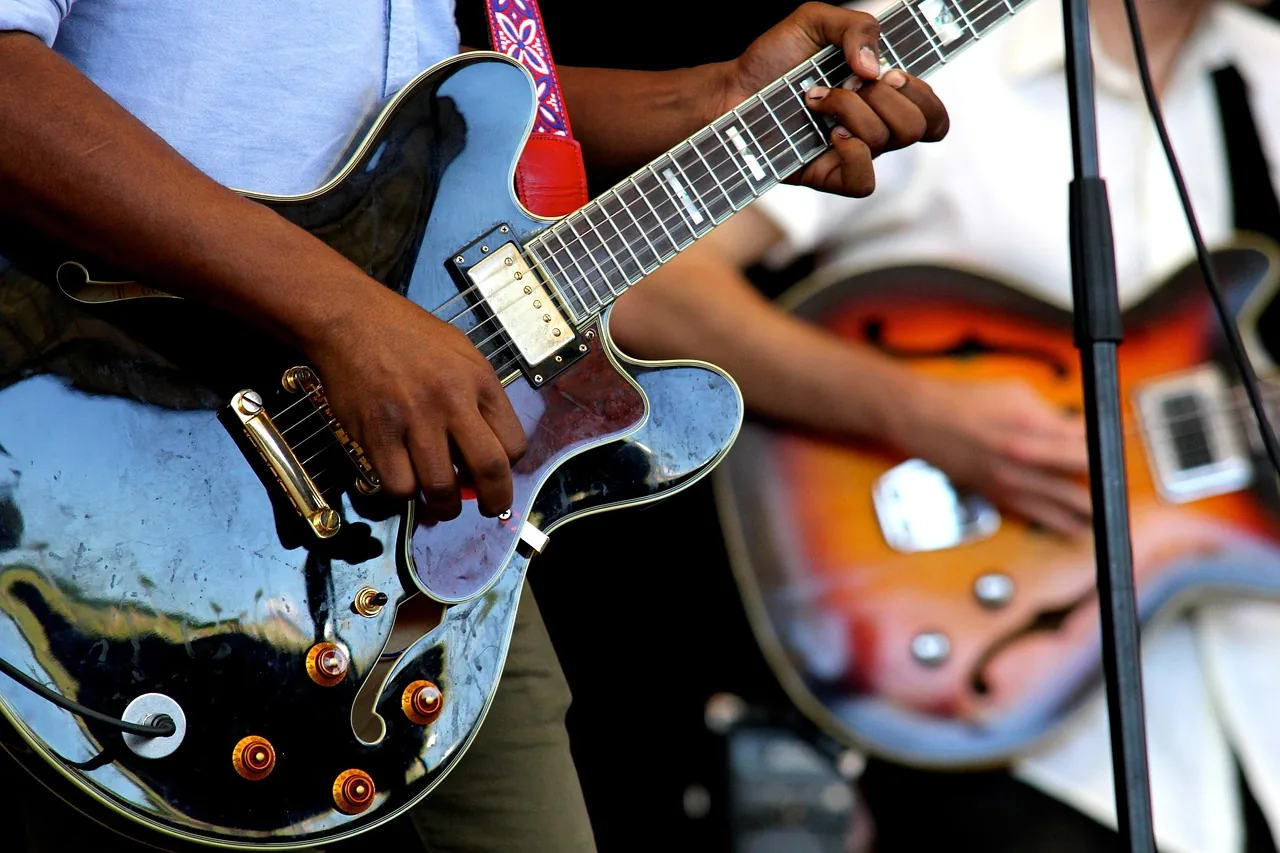
One way folk music expresses cultural diversity is through the instruments and styles specific to each region. Every culture has developed its own forms of folk music, often using traditional instruments that carry the weight of cultural heritage. Instruments such as the bouzouki in Greece, the sitar in India, and the banjo in American folk music are deeply rooted in the cultures of their respective regions, helping to create distinctive and representative sounds.
The lyrics of folk songs provide another essential means of cultural expression. They tell local stories, pass down legends, reflect a community’s struggles and triumphs, and often help preserve historical knowledge. The themes addressed in the lyrics vary, but they frequently touch on aspects of everyday life, love, nature, spirituality, and local history.
Folk music has also played a crucial role in expressing social and political struggles. In many communities, it has been used as a means of protest, conveying messages of resistance, hope, and social change. Folk songs have often emerged during periods of political upheaval, conflict, or social movements, helping to unite the voices of the people.
In summary, folk music functions as a universal language that transcends cultural barriers. It gives cultures and communities a way to preserve their heritage, share their unique experiences, and express themselves authentically, thereby contributing to the richness of cultural diversity around the world.
Easy Djembe Rhythms for Rapid Progress
How to Read Djembe Notes and Sheet Music
How to Tune a Djembe Easily
Djembe Sounds: Bass, Tone, and Slap
Djembe Exercises for Beginners