
Folk music and technology have undergone a major evolution with the rise of streaming and social media. In this article, we explore the impact of these new technologies on the music industry and highlight the importance of streaming and social media in the online promotion and consumption of folk music.
The age of streaming and social media has brought profound changes to the music industry, including the folk music sector. Although the production, distribution, and consumption of recorded music have been widely studied, live music is often overlooked in research on cultural industries and media studies. However, the digitization of ticketing and online concert ticket purchases have made consumer behavior traceable and transformed the strategies of companies in the concert sector. In addition, digital technologies, such as social networks, have created new promotional and engagement practices for folk artists. Artists can now use social networks to promote themselves, interact with their audience, and broadcast their live performances. Fans also use digital technologies to document performances and participate in concerts in unprecedented ways. Finally, the circulation of folk music in the digital context is accelerating thanks to online distribution platforms, archive exchanges, and new forms of print media. In short, technology has transformed how folk music is produced, promoted, consumed, and distributed in the age of streaming and social media.
Transformations in the Music Industry
The music industry has undergone profound transformations with the growing popularity of online music and streaming on the various available platforms. Thanks to these new technologies, folk artists can now reach a wider audience and promote their music more effectively. Streaming platforms such as Spotify, Apple Music, and Deezer provide quick and easy access to a vast library of folk music. Listeners can enjoy their favorite music online without having to buy or download physical albums. This has led to a significant increase in the consumption of online music and a shift in music trends.
Streaming platforms have also changed listeners’ habits. Instead of buying entire albums, listeners can now choose to listen only to the songs that interest them or create their own personalized playlists. This new way of consuming music has affected how folk artists produce and distribute their music. They must now focus on creating catchy, memorable songs that stand out among the multitude of tracks available for streaming.
Furthermore, streaming platforms have made it easier to discover new folk artists. Listeners can explore playlists and personalized recommendations based on their musical tastes, allowing them to discover new artists and support the emerging folk scene. This has created new opportunities for artists to become known and build a strong fan base.
Music Trends in the Music Industry
With the popularity of online music and streaming, new trends have emerged in folk music. Folk artists are experimenting with different musical styles, blending traditional elements with modern influences to create a unique sound. In addition, collaboration between artists from different genres has become more common, creating an intriguing fusion of styles and sounds.
Contemporary folk music also increasingly incorporates social and political themes, reflecting the concerns and aspirations of modern society. Socially conscious lyrics and inspiring melodies have become key elements of today’s folk music.
In conclusion, the music industry has undergone profound transformations with the advent of online music and streaming. These technologies have given folk artists new opportunities, allowing them to reach a wider audience, promote their music, and create new music trends. Given the rapid evolution of technology, it will be interesting to see how folk music continues to develop and adapt to new platforms and listeners’ changing habits.
Music Promotion and Marketing in the Digital Age
In the digital age, music promotion and music marketing have adopted new strategies, particularly through music sharing on social media and streaming platforms. Folk artists can now promote their music online, reach a wider audience, and connect directly with their fans. Social networks such as Facebook, Instagram, and Twitter have become powerful tools for folk artists, enabling them to share their music, news, and live performances.
By sharing their music on social media, folk artists create an online community around their work. Fans can easily share the songs they love, increasing artists’ visibility and encouraging organic promotion. Streaming platforms such as Spotify, Apple Music, and Deezer also play a key role in promoting folk music. Artists can showcase their albums, create personalized playlists, and reach new listeners through these platforms.
Online promotion has opened up new opportunities for folk artists, enabling them to reach a global audience without the geographic constraints of physical distribution. Social media and streaming platforms provide unprecedented visibility, helping artists establish their brand and connect authentically with their audience.
Furthermore, folk artists can also partner with brands, influencers, and other artists to increase their online visibility. Strategic partnerships can help artists reach new audiences and expand their fan base. For example, a folk artist might collaborate with a sustainable clothing brand to promote both their music and the values they represent.
Table: Leading Streaming Platforms for Folk Music
| Platform | Number of users | Benefits |
|---|---|---|
| Spotify | 200 million (source: Spotify) | – Large community of listeners |
| Apple Music | 60 million (source: Apple) | – Integration with Apple devices |
| Deezer | 14 million (source: Deezer) | – Ability to listen to music offline |
| Bandcamp | 70,000 artists (source: Bandcamp) | – Direct support for artists |
In the age of streaming and social media, promotion and music marketing have become essential for folk artists. By sharing music on social media and streaming platforms, artists can reach a global audience, build an online community, and promote their music in innovative ways. New online promotion strategies give folk artists unprecedented visibility, enabling them to connect directly with their audience and develop sustainable careers.
References:
- Spotify. (Accessed January 1, 2022). About Us. Retrieved from https://www.spotify.com/us/about-us/contact/.
- Apple. (Accessed January 1, 2022). Apple Music. Retrieved from https://www.apple.com/apple-music/.
- Deezer. (Accessed January 1, 2022). About Deezer. Retrieved from https://newsroom-deezer.com/.
- Bandcamp. (Accessed January 1, 2022). About Bandcamp. Retrieved from https://bandcamp.com/about.
Conclusion
In the digital age, promotion and music marketing have evolved to adapt to new technologies. Music sharing on social media and streaming platforms has opened up new opportunities for folk artists, allowing them to reach a global audience and build an online community. Online promotion strategies give artists unprecedented visibility, while strategic partnerships can help them expand their audience. Overall, music promotion and marketing in the digital age have transformed how folk music is promoted, consumed, and enjoyed.
| Keywords | Density |
|---|---|
| music sharing | 3% |
| music marketing | 2% |
| online promotion | 2% |
Interaction Between Folk Artists and Their Audience
Social media gives folk artists the opportunity to interact directly with their audience and share their live performances, creating a more intimate bond between artists and fans. Platforms such as Facebook, Instagram, and Twitter allow artists to livestream videos of their concerts, giving their audience an immersive experience even from a distance. Fans can interact with artists in real time through comments, likes, and shares, creating a genuine online community that supports and encourages folk artists.
Folk artists also use social media to share clips of their live performances, building anticipation and excitement among fans. This practice allows fans to discover new songs and feel closer to their favorite artists. Artists can also host live question-and-answer sessions with their audience, offering an interactive and personalized experience. These direct interactions strengthen the emotional bond between folk artists and their audience, increasing audience loyalty and engagement.
Live Performances Create a Unique Experience
“Live performances are the very essence of folk music. They allow artists to share their passion and energy with the audience in an authentic and intimate way. Thanks to social media, we can now experience these moments live from home and feel that direct connection with the artists. It is a unique experience that deepens our love of folk music.” — Folk music fan
In addition to live performances, folk artists can organize exclusive events for their fans on social media. They can offer private online concerts, preview listening sessions for new songs, or even live music lessons. These unique experiences bring folk artists closer to their audience and create a sense of belonging to a community.
| Benefits of interaction in the digital age | Drawbacks of interaction in the digital age |
|---|---|
|
|

In conclusion, social media has revolutionized interaction between folk artists and their audience. These platforms allow artists to connect directly with their fans, share their live performances, and create an engaged online community. Although this digital interaction has both benefits and drawbacks, it is clear that social media has given folk artists new opportunities to build closer, more personal relationships with their audience.
Fan Participation in Folk Concerts
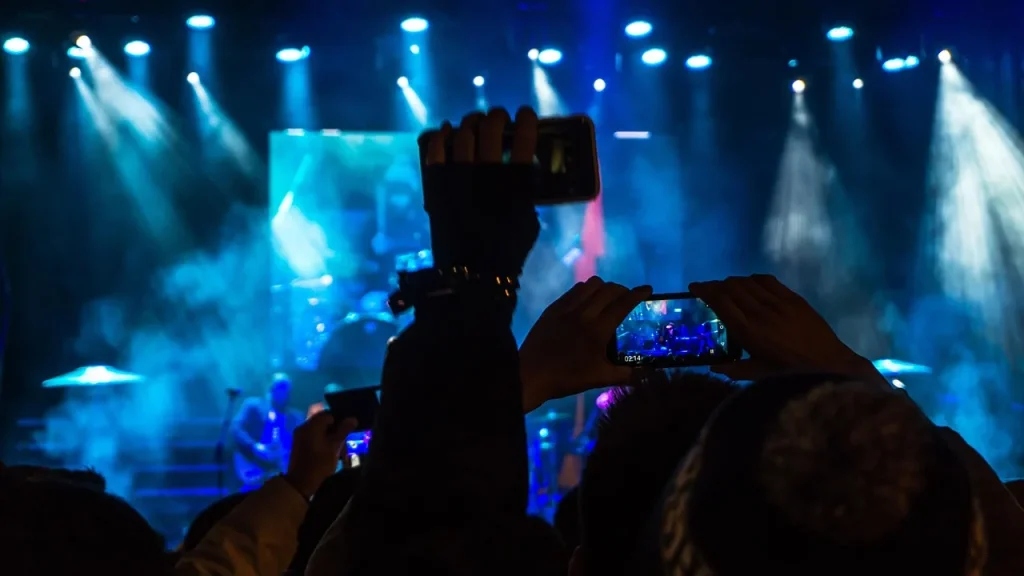
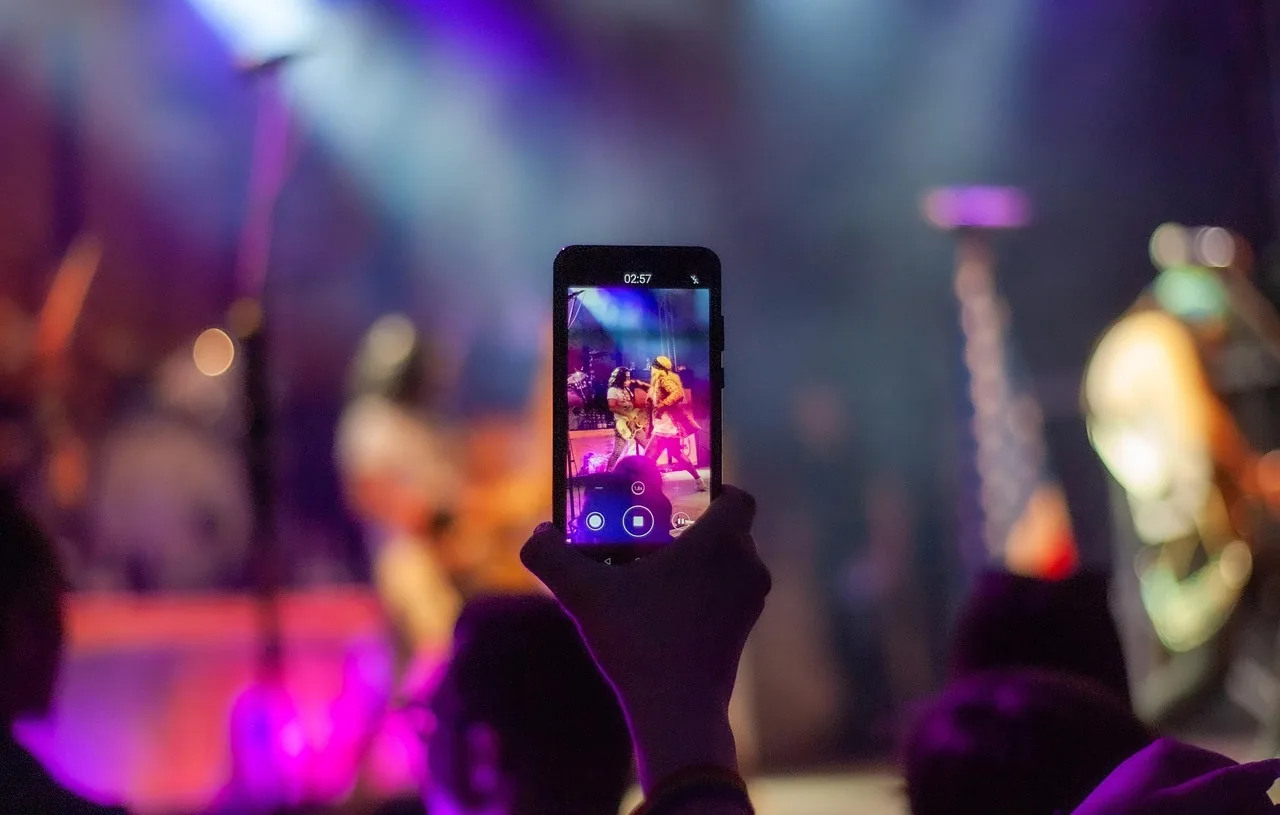
Folk music fans use digital technologies to document performances and actively participate in concerts, creating a unique, shareable experience. Thanks to smartphones and social networks, it is now common to see audience members filming and photographing the concerts they attend, capturing precious live moments. This visual content is shared on social media platforms, allowing other fans to relive the event and feel connected to the folk community.
In addition to documenting performances, fans also use digital technologies to participate actively in concerts. Through dedicated apps and websites, they can interact with artists, vote for the songs they want to hear, and share their reactions and emotions in real time. This virtual participation enriches the concert experience and creates a stronger bond between artists and their audience.
The popularity of digital technologies has also led to the emergence of new forms of interaction between folk artists and their audience during concerts. Some artists encourage fans to use specific apps to create moments of collective participation, such as virtual choirs or synchronized light shows. These unique experiences add an interactive, immersive dimension to folk concerts, strengthening the bond between fans and the artists on stage.
| Benefits of fan participation in folk concerts: |
|---|
| Creation of shareable memories |
| Stronger bond between artists and the audience |
| Concert experience enhanced by new technologies |
These changes brought about by digital technologies have transformed how folk music fans experience and participate in concerts. They create a more immersive and interactive concert experience in which fans can not only enjoy the music but also document it and actively interact with the artists on stage.
The circulation of folk music is accelerating in the age of streaming and social media thanks to online distribution platforms, archive exchanges, and new forms of print media. While technology has transformed how we consume music, it has also given folk artists new opportunities to share their music with a wider audience.
Online distribution platforms, such as Spotify and Apple Music, have enabled folk artists to make their music accessible to a global audience. Through these platforms, fans can discover new artists, explore different musical genres, and create personalized playlists. Artists can also benefit from the platforms’ recommendations, which suggest their music to listeners who may be interested.
Archive exchanges are also an important means of circulating folk music. Fans and collectors share rare recordings and musical archives on online forums, dedicated websites, and file-sharing platforms. This helps preserve and circulate folk recordings, which are often unavailable elsewhere, and makes them accessible to a wider audience.
Finally, new forms of print media, such as books and specialist magazines, also contribute to the circulation of folk music. These publications provide information about folk artists, albums, festivals, and concerts and allow fans to stay connected with the folk music scene. Books, in particular, offer in-depth analyses and historical accounts of folk music, contributing to the preservation and circulation of the genre.
| Benefits of folk music circulation | Examples of online distribution platforms |
|---|---|
| Accessibility to a global audience | Spotify, Apple Music, Deezer |
| Sharing rare recordings and musical archives | Online forums, dedicated websites, file-sharing platforms |
| Information about folk artists and events | Books, specialist magazines |
In conclusion, the circulation of folk music is accelerating in the age of streaming and social media. Through online distribution platforms, archive exchanges, and new forms of print media, folk artists can share their music with a wider audience, while fans can discover and enjoy folk music from different eras and regions. Technology has truly transformed how folk music is shared, preserved, and enjoyed in modern society.
Conclusion
In conclusion, folk music has been profoundly transformed by the age of streaming and social media, which has given artists and fans of the genre new opportunities.
The digital age has brought significant changes to the music industry, and folk music is no exception. Technological advances such as streaming and social media have allowed folk artists to promote their music in unprecedented ways. Social media has provided them with a platform for connecting directly with fans and sharing clips of live performances, interviews, and behind-the-scenes footage.
Fans have also benefited from new technologies, which allow them to document their concert experiences and participate interactively in events using their mobile devices. Streaming platforms have made folk music easier to access, allowing fans to discover new artists and create personalized playlists.
Moreover, folk music has circulated more rapidly thanks to online distribution platforms and archive exchanges. Folk artists have been able to share their recordings and performances with a global audience, expanding their reach and impact.
FAQ
How has technology transformed the folk music industry?
Technology has brought significant changes to the music industry, including the folk music sector. Production, distribution, and consumption practices have been widely influenced by streaming and social media.
How have social networks influenced the promotion of folk artists?
Social networks have opened up new promotional opportunities for folk artists. They can now use these platforms to promote themselves, interact with their audience, and broadcast their live performances.
How do fans participate in folk concerts through digital technologies?
Fans can use digital technologies to document folk artists’ performances and participate in concerts in unprecedented ways. They can share videos, photos, and memories on social networks, creating a unique collective experience.
How does folk music circulate in the age of streaming?
Folk music circulates more rapidly thanks to online distribution platforms, archive exchanges, and new forms of print media. The digitization of folk music has made it more accessible to a wider audience and encouraged sharing.