
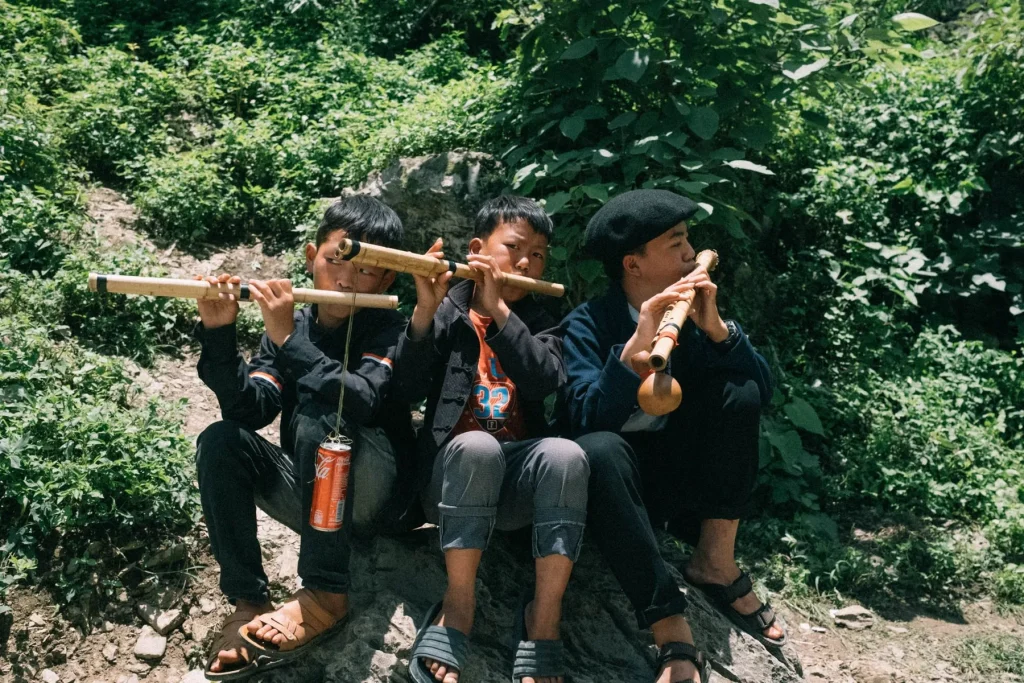
Folk music for children is an excellent way to introduce young people to music and provide them with a musical education. It allows them to discover and explore this musical genre, rich in traditions and stories. Through Kodály-based teaching, which emphasizes creative expression, children can develop their musical creativity while having fun.
The global El Sistema movement also plays a key role in music education for all children. By encouraging collective music learning, El Sistema enables children to develop their musical and social skills while promoting inclusion and diversity.
Many countries have adopted this approach and adapted El Sistema’s principles to their local context, including Greece, Sweden, the United States, Kenya, and Japan. These countries recognize the importance of music education in children’s overall development and have established programs that allow them to learn and thrive through music.
There are many resources for introducing children to folk music, such as textbooks and methods that teach music reading and feature French folk songs. These resources give children an opportunity to discover this musical genre in a fun and educational way.
Children can also take part in group classes and musical ensembles, which encourage learning in a collaborative environment. This allows them not only to develop their musical skills, but also to strengthen their social abilities and teamwork.
In conclusion, folk music for children is an excellent way to introduce them to music and provide them with a musical education. It enables them to develop their creativity, discover new musical cultures, and thrive both musically and socially. Thanks to available resources and music education programs such as El Sistema, children can explore the wonderful world of folk music and foster their overall development.
Kodály-Based Teaching and Creative Expression
Kodály-based teaching emphasizes children’s creative expression and allows them to discover the richness of traditional music. This educational approach aims to support children’s musical and personal growth by encouraging them to express themselves through folk music. By using interactive and playful methods, Kodály-based teaching allows children to explore different musical styles and genres, learn to play traditional instruments, and develop their listening and improvisation skills.
Traditional music provides fertile ground for children’s creative expression. By exploring songs and melodies passed down from generation to generation, children develop a sense of cultural belonging and learn to appreciate the richness of musical heritage. Kodály-based teaching also encourages collaborative music-making, in which children are invited to compose their own melodies and express their emotions through music.
To make learning folk music easier, resources such as textbooks and sheet music are available for teachers and parents to use when introducing children to music reading. These resources include French folk songs, solfège exercises, and interactive activities that allow children to develop their musical skills while having fun.
| Benefits of Kodály-Based Teaching and Creative Expression |
|---|
| Encourages children’s creative expression |
| Discovery and appreciation of traditional music |
| Development of listening and improvisation skills |
| Collaborative learning and musical composition |
| Use of suitable educational resources |
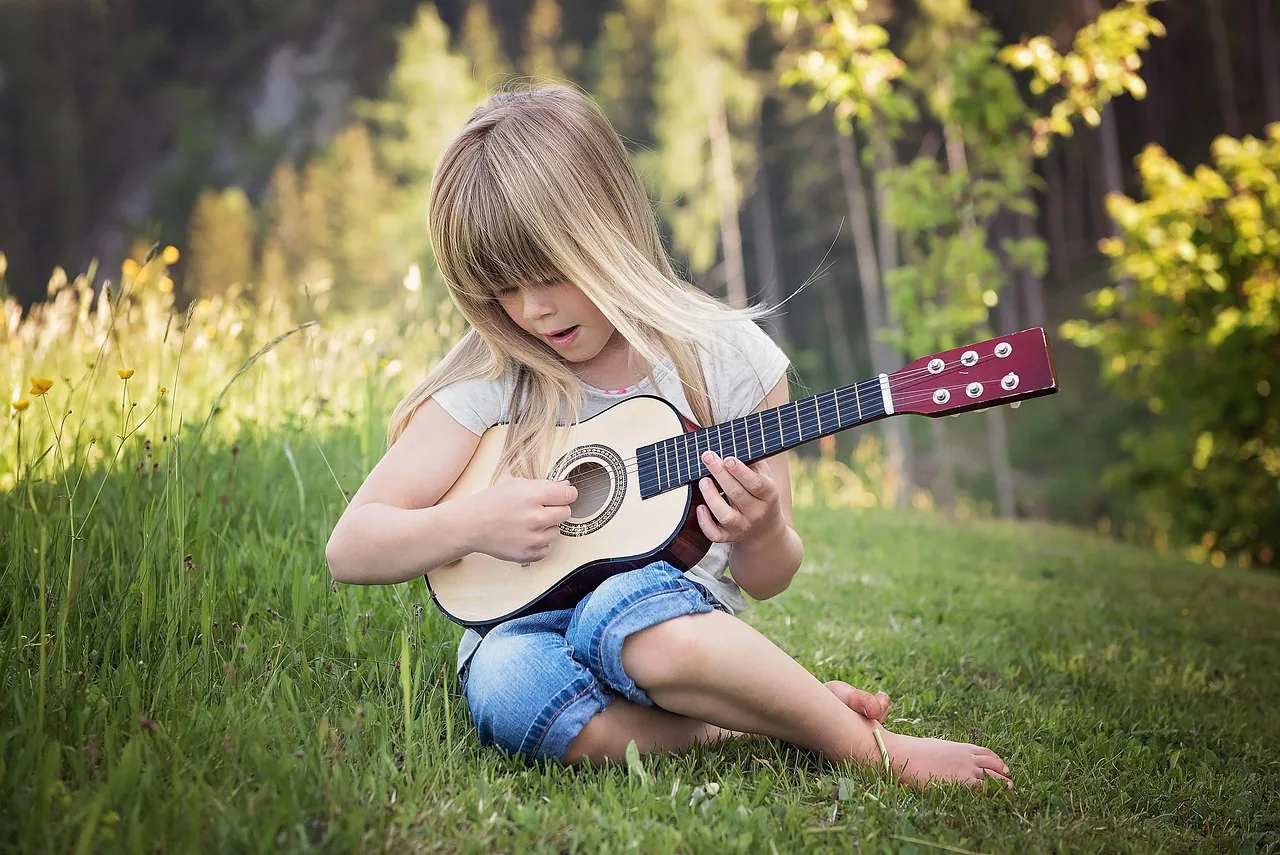
One of the key aspects of Kodály-based teaching is the discovery of traditional music. Children are introduced to folk songs from different cultures, allowing them to broaden their musical horizons and gain a greater appreciation of cultural diversity. By learning to play these traditional melodies, children acquire a deeper understanding of music and develop their own musical style.
- Discovery of different musical cultures
- Development of an appreciation for cultural diversity
- Acquisition of advanced musical skills
- Creation of a unique musical style
In conclusion, Kodály-based teaching and creative expression are essential tools for introducing children to folk music. By encouraging personal expression and the discovery of traditional music, this educational approach allows children to develop their musical skills and grow personally. With suitable resources and passionate teachers, children can explore the magical world of folk music and discover their own musical voice.
Music Education for All with El Sistema
El Sistema is a global movement that aims to make music education accessible to all children and encourage collective music learning. This revolutionary approach was created in Venezuela in 1975 and has since spread to many countries around the world.
El Sistema gives children an opportunity to participate in orchestras and musical ensembles, where they learn not only to play an instrument, but also to work as a team and develop social skills. Collective music learning allows children to support and motivate one another throughout their musical journeys.
“Music is a universal language that transcends cultural and social barriers.”
El Sistema’s principles have been successfully adapted and implemented in many countries, including Greece, Sweden, the United States, Kenya, and Japan. Each country has adapted this approach to its local context, taking its musical culture and available resources into account.
Thanks to El Sistema, many children who might never have had access to a music education now have an opportunity to develop their musical talent and thrive through music. This demonstrates the importance of music education for all children, regardless of their background or social circumstances.
| Country | Year Adopted |
|---|---|
| Greece | 2009 |
| Sweden | 2010 |
| United States | 2011 |
| Kenya | 2013 |
| Japan | 2015 |
Adapting El Sistema in Different Countries
El Sistema’s teaching model has been successfully adapted in many countries, including Greece, Sweden, the United States, Kenya, and Japan. These countries have recognized the importance of music education for all children and adopted El Sistema’s principles to encourage collective music learning. Each has adapted the approach to its own local context, taking its resources and culture into account.
In Greece, for example, the El Sistema program was established to support children living in disadvantaged neighborhoods. It aims to provide equal access to music education and promote social inclusion. In Sweden, the emphasis is on collaborative learning and creative expression, with musical ensembles made up of children from different socioeconomic backgrounds.
In the United States, many programs draw inspiration from El Sistema to provide music-learning opportunities for children in public schools. Kenya has also adopted this approach, emphasizing local musical traditions and using music as a tool to promote peace and harmony among different communities. In Japan, El Sistema has been adapted to create orchestras of talented young musicians who regularly perform at concerts and national events.
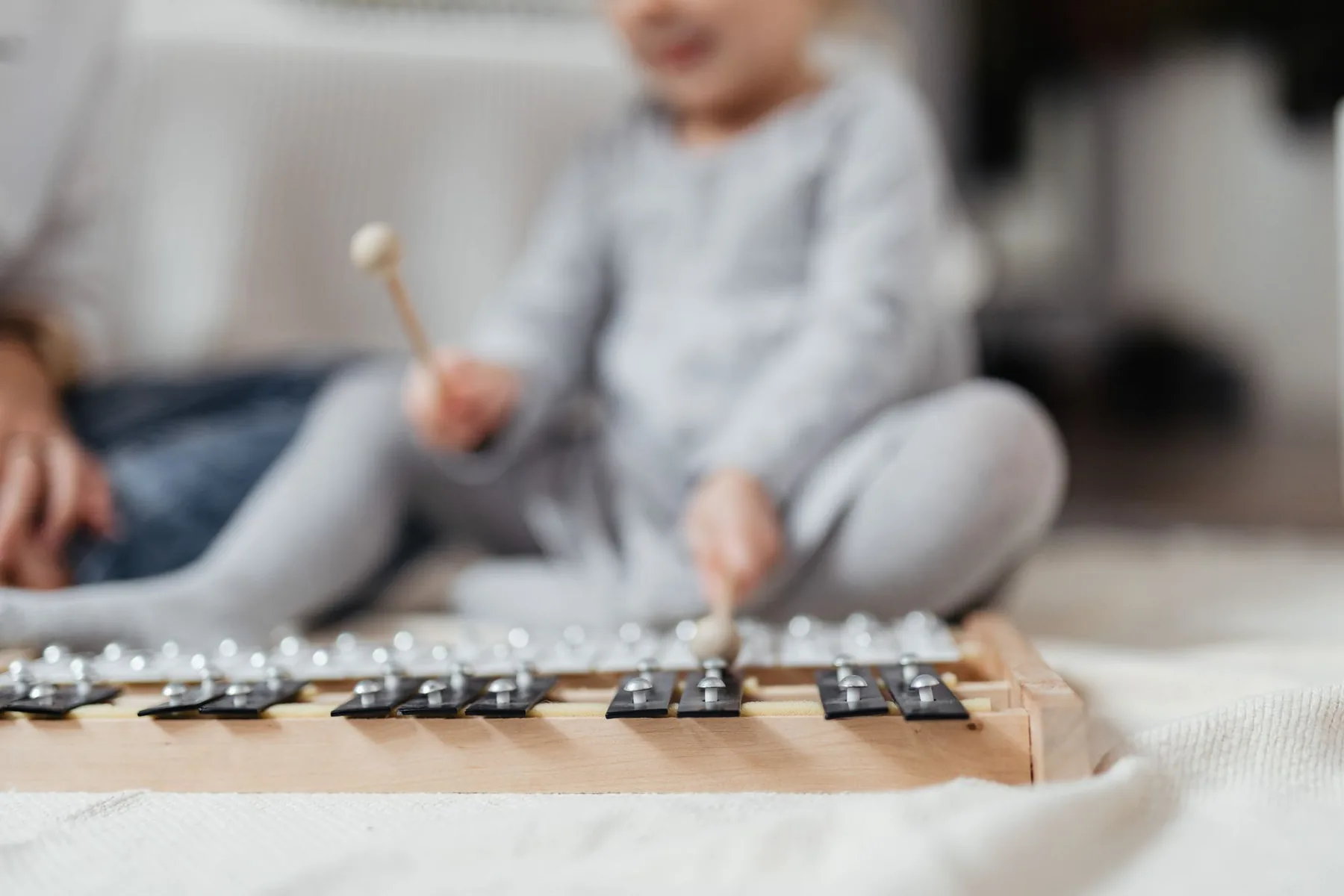
These adaptations of El Sistema demonstrate the approach’s versatility and relevance in different cultural contexts. They also show the many benefits of collective music education, such as developing children’s musical and social skills, self-confidence, and personal growth. By adopting this approach, these countries have created new opportunities for children, allowing them to discover and develop their love of music while supporting their overall development.
| Country | Adaptation of El Sistema |
|---|---|
| Greece | Program for disadvantaged neighborhoods |
| Sweden | Inclusive musical ensembles |
| United States | Music-learning opportunities in public schools |
| Kenya | Music to promote peace and harmony |
| Japan | Orchestras of talented young musicians |
In conclusion, the adaptation of El Sistema in different countries demonstrates its positive impact on children’s music education. Through this approach, children can benefit from high-quality musical training regardless of their circumstances. Programs based on El Sistema encourage collective music learning, creative expression, and the development of musical and social skills, thereby contributing to children’s overall growth.
Resources for Introducing Children to Folk Music
There are many resources for introducing children to folk music, including textbooks and tools for learning music reading and discovering French folk songs. These resources give children the opportunity to explore the world of folk music in a fun and educational way.
Folk music textbooks are specially designed for children and include simplified sheet music, listening exercises, and interactive activities. They guide children through the different stages of learning folk music by teaching them to play popular melodies and understand the basics of music reading.
In addition to textbooks, online resources such as websites and mobile apps offer lessons and tutorials for learning folk music. These resources allow children to learn at their own pace, practice at home, and explore different styles of folk music.
Examples of French Folk Songs for Children:
| Title | Author | Listen |
|---|---|---|
| Alouette, gentille alouette | Anonymous | Listen |
| Il était un petit navire | Anonymous | Listen |
| Sur le pont d’Avignon | Anonymous | Listen |
These French folk songs are ideal for introducing children to folk music. They are easy to learn and have simple, catchy lyrics. Children can sing them as a group, use them to help learn music reading, and even accompany them with age-appropriate musical instruments.
In conclusion, the musical resources available for introducing children to folk music are varied and suited to their level and interests. Whether using textbooks, websites, or mobile apps, children have the opportunity to explore the world of folk music and develop their musical skills in a fun and educational way.
Group Classes and Musical Ensembles for Children
Taking part in group classes and musical ensembles is an excellent way for children to learn music in a collaborative environment and develop their musical and social skills. These activities allow them to become familiar with different musical instruments and play together, thereby fostering a shared group dynamic and stimulating their creativity.
“Music is a universal language that transcends cultural and linguistic barriers. By joining a musical group, children learn to listen, communicate, and work as a team, which also strengthens their self-esteem,” explains John Smith, conductor and music educator.
Group classes give children an opportunity to develop their musical skills while interacting with their peers. Whether in an orchestra, choir, or band, they learn to play in harmony with others, follow a rhythm, and listen to one another. These activities help children progress more quickly in their musical learning and build their self-confidence.
| Benefits of Group Classes and Musical Ensembles for Children |
|---|
| Encourage collaborative learning |
| Stimulate creativity and artistic expression |
| Promote the development of social skills |
| Strengthen self-esteem and self-confidence |
In conclusion, group classes and musical ensembles are essential activities for children who want to learn music. They provide a stimulating, collaborative environment that fosters the development of musical and social skills. Encourage your child to join a musical group and experience the magic of making music in harmony with others.
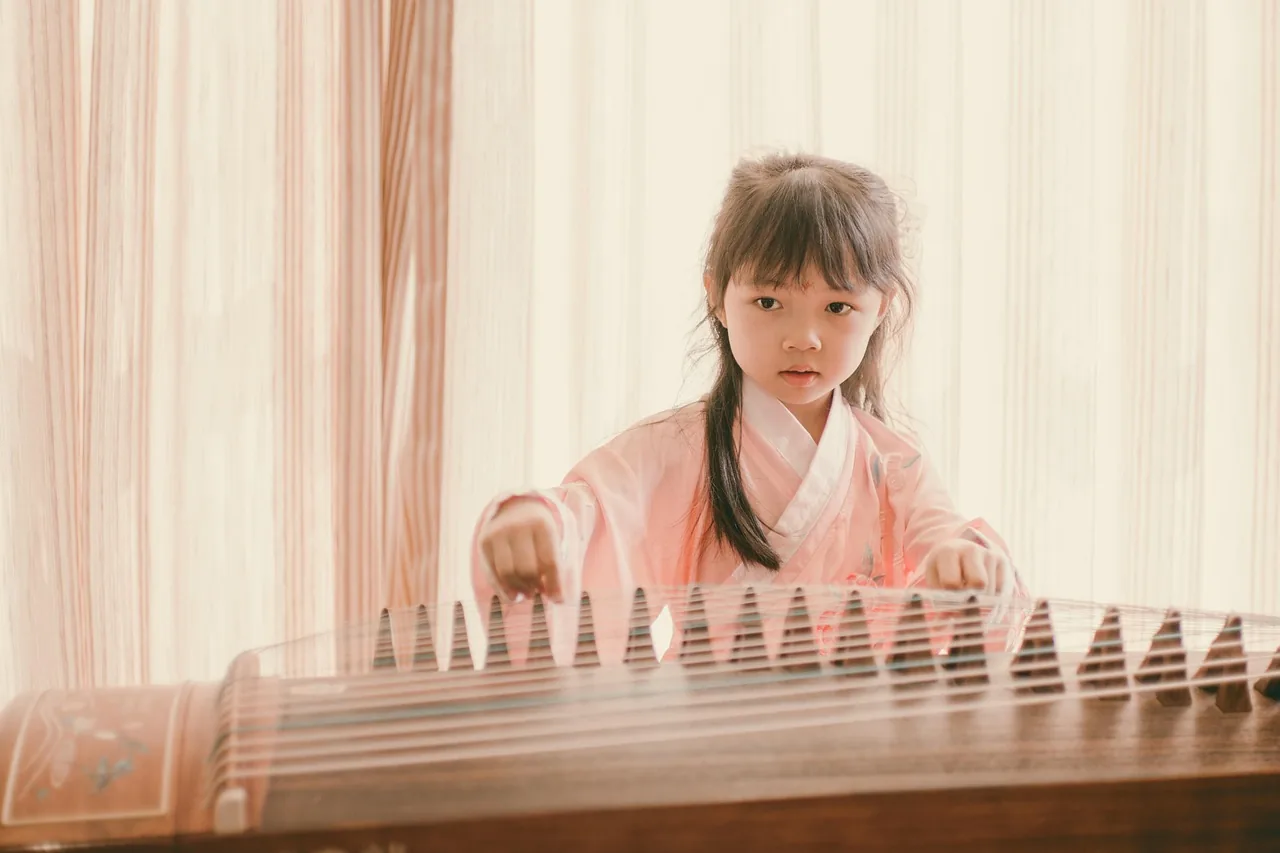
- “My son started taking group music lessons two years ago, and it has been an incredible experience for him. Not only has he learned to play the guitar, but he has also developed valuable social skills by interacting with other children who are passionate about music. I highly recommend these lessons to all parents who want to encourage their children’s musical learning.” — Sophie, parent of a 10-year-old child.
Musical Instruments for Children
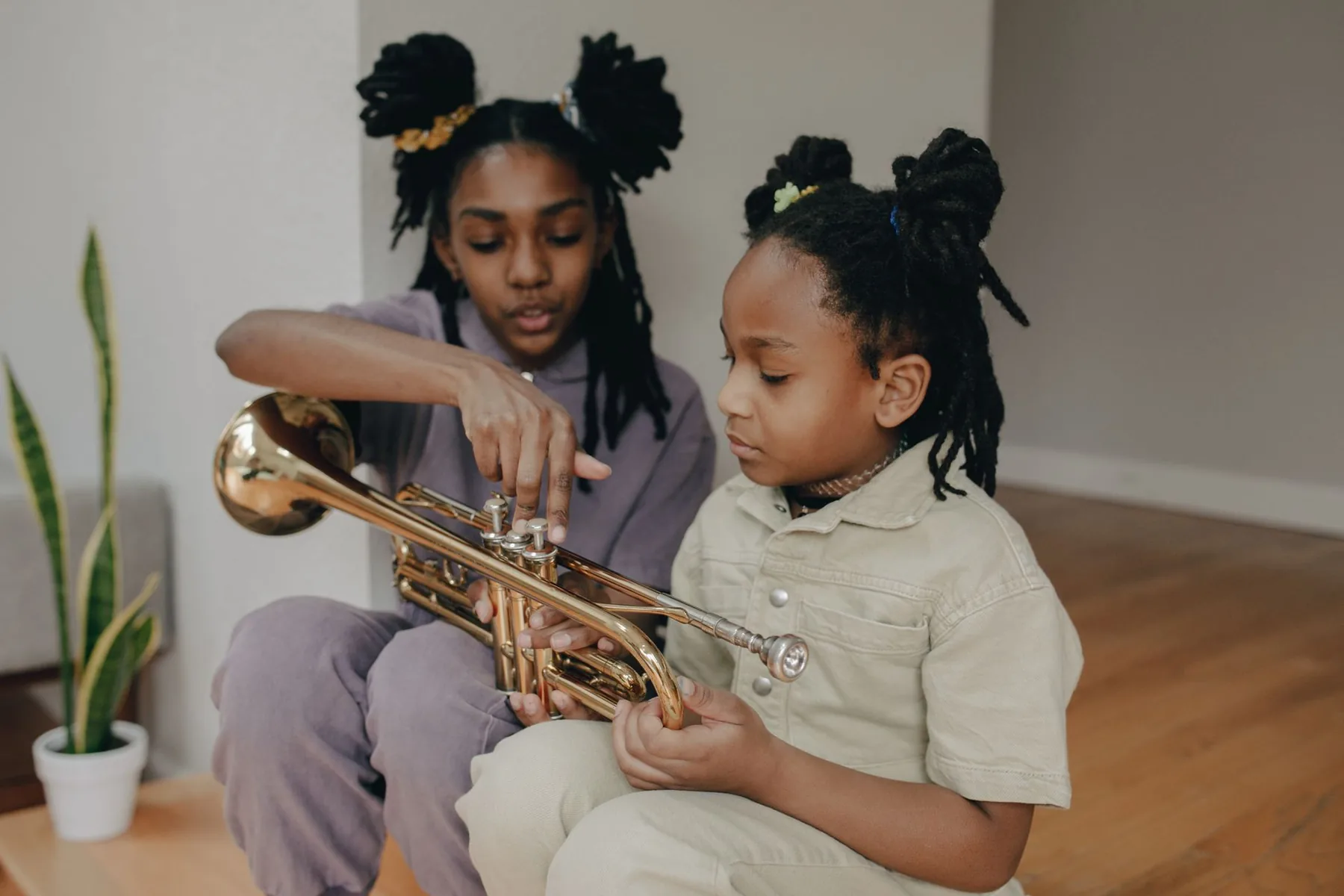
Learning to play a musical instrument is an enriching activity for children and contributes to their musical development. Whether through individual lessons or group classes, learning an instrument offers many benefits to budding young musicians. It allows them to develop their creativity, motor coordination, concentration, and discipline.
There is a wide variety of musical instruments suitable for children. Among the most popular are the piano, guitar, violin, flute, and drums. Each instrument has its own characteristics and requirements, allowing children to explore different sounds and musical styles.
Parents can find resources and practical guides to help their children choose the right instrument and begin learning. Music schools, local associations, and specialist teachers can also offer child-friendly lessons and guide them along their musical journey.
Comparison Table of Musical Instruments for Children
| Instrument | Difficulty Level | Recommended Age | Benefits |
|---|---|---|---|
| Piano | Low to medium | Ages 4 and up | Develops hand-eye coordination and supports music reading |
| Guitar | Low | Ages 6 and up | Allows children to play popular songs and develops fine motor skills |
| Violin | Medium to high | Ages 5 and up | Teaches discipline and encourages emotional expression |
| Flute | Low | Ages 7 and up | Develops breath control and musicianship |
| Drums | Medium to high | Ages 8 and up | Improves motor coordination and teaches a sense of rhythm |
It is important to allow children to choose an instrument that interests them and suits their personality. By giving them the opportunity to learn to play a musical instrument, parents and educators encourage their passion for music and help them cultivate their artistic talent.
Conclusion
In conclusion, folk music for children offers an excellent opportunity for an introduction to music and music education, fostering their creative development and passion for this art form. Based on Kodály teaching principles, this approach emphasizes children’s expression and creativity, allowing them to discover and explore this musical genre.
The global El Sistema movement also plays an important role by promoting music education for all children and encouraging collective music learning. Countries such as Greece, Sweden, the United States, Kenya, and Japan have adopted this approach and adapted El Sistema’s principles to their local contexts, giving children the opportunity to learn and develop both musically and socially.
In addition, various resources—including textbooks, music-reading tools, and French folk songs—can be used to introduce children to folk music. Children can also take part in group classes and musical ensembles, allowing them to learn in a collaborative environment and develop their musical and social skills.
Overall, folk music for children is a valuable way to awaken their interest in music, foster their creative development, and introduce them to music education. This approach offers many learning opportunities and allows children to express themselves, discover new sounds, and develop a love of music from an early age.
FAQ
What Is Folk Music for Children?
Folk music for children is a form of musical introduction and education that allows children to discover and explore this musical genre.
What Is Kodály-Based Teaching?
Kodály-based teaching is an educational approach used to teach folk music to children that emphasizes their expression and creativity.
What Is El Sistema?
El Sistema is a global movement that promotes music education for all children and encourages collective music learning.
Which Countries Have Adopted the El Sistema Approach?
Many countries, including Greece, Sweden, the United States, Kenya, and Japan, have adopted the El Sistema approach and adapted its principles to their local contexts.
What Resources Are Available for Introducing Children to Folk Music?
Textbooks and other resources are available to introduce children to music reading and teach them French folk songs.
What Are the Benefits of Group Classes and Musical Ensembles for Children?
Group classes and musical ensembles allow children to learn in a collaborative environment and develop their musical and social skills.
Which Musical Instruments Are Suitable for Children?
Various musical instruments are suitable for children, allowing them to develop their musical skills and begin learning to play an instrument.