
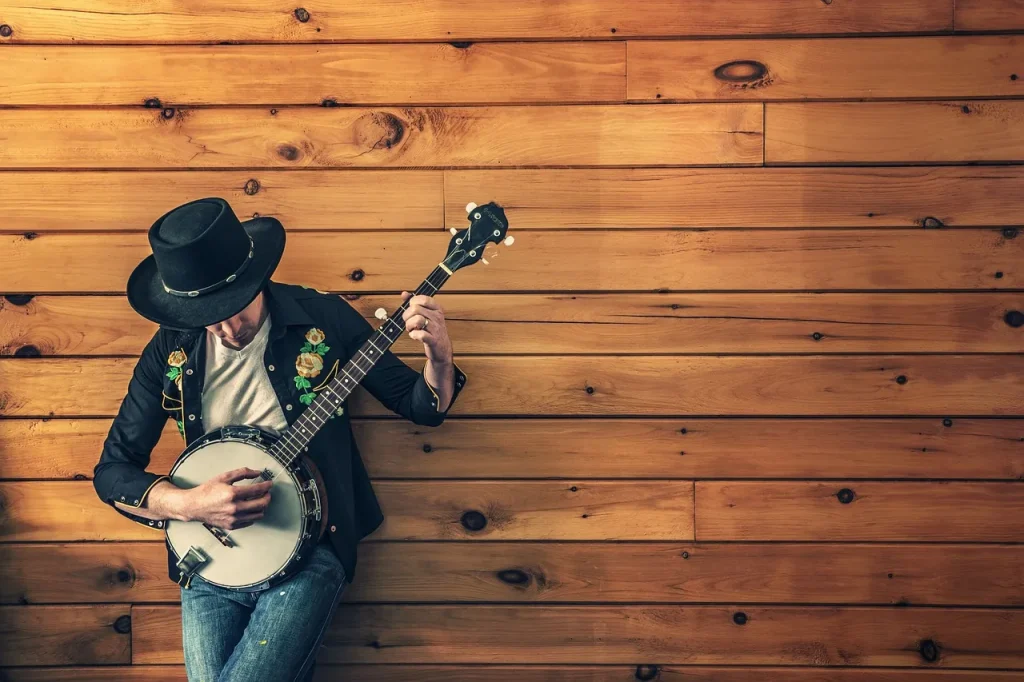
Folk music is characterized by the use of traditional instruments that give this musical genre its authenticity. These instruments play an essential role in creating folk melodies and evoke the deep roots of this traditional musical style.
The iconic instruments of folk music include the accordion, banjo, bagpipes, mandolin, hurdy-gurdy, bouzouki, psaltery, dulcimer, violin, and timbal. These instruments, often heard in folk music, contribute to the richness and diversity of the genre.
The acoustic guitar
The acoustic guitar is one of folk music’s most iconic instruments, bringing a warm, authentic sound to the genre. With its wooden body and steel strings, it offers a rich tone that appeals to folk music enthusiasts around the world.
The use of the acoustic guitar in folk music dates back several centuries, when it was often played by troubadours and street singers. Today, it remains a key element of the folk aesthetic, enabling artists to create catchy melodies and harmonious chords.
The acoustic guitar comes in various styles and sizes, including dreadnought, parlor, and jumbo guitars. Each style offers distinct tonal characteristics, allowing musicians to choose the instrument best suited to their playing style and sound preferences.
Comparison of acoustic guitar styles
| Acoustic guitar style | Characteristics |
|---|---|
| Dreadnought guitar | Powerful, balanced sound, ideal for chords and rhythm playing. |
| Parlor guitar | Smaller size and a soft, intimate sound, perfect for fingerpicking. |
| Jumbo guitar | Larger body, offering maximum sound projection and a rich, deep tone. |
Whatever the chosen style, the acoustic guitar remains a folk music staple, adding a touch of magic and melancholy to every composition.
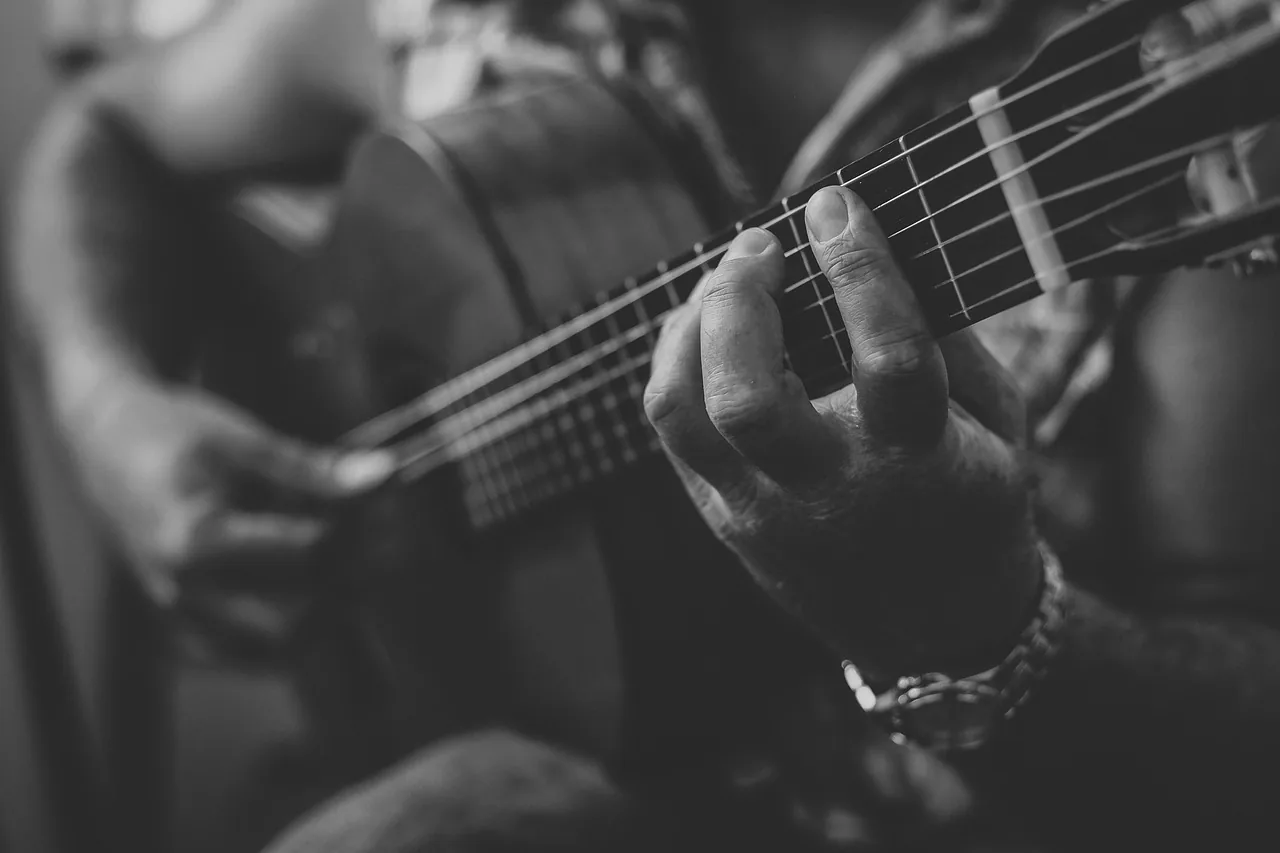
The folk violin is an essential instrument in folk music, thanks to its distinctive timbre, which evokes the emotion and nostalgia characteristic of the genre. This bowed string instrument is widely used in folk traditions around the world, bringing a warm, expressive sound to folk melodies.
The folk violin is valued for its versatility, as it can be played in different styles and with different techniques, adapting to regional musical variations. It is often used to accompany folk songs and traditional dances, adding a melodic and rhythmic dimension to folk music.
| Folk instruments | Origins |
|---|---|
| The folk violin | Europe |
| The bouzouki | Greece |
| The hurdy-gurdy | France |
The folk violin is a fascinating instrument that has evolved over time while retaining its essence in musical traditions around the world. It represents the beauty and authenticity of folk music, captivating listeners with its unique sound.
In addition to its role as a solo instrument, the folk violin is also used in folk ensembles, where it blends harmoniously with other traditional instruments such as the bouzouki, hurdy-gurdy, and folk guitar. Together, these instruments create rich, captivating arrangements filled with the soul and spirit of folk music.
In the world of folk music, the folk violin occupies a central place because of its ability to convey deep emotions and weave stories through its melodies. This traditional instrument continues to inspire many folk musicians around the world, perpetuating the richness of folk music and its intimate connection with regional cultures.
| Folk instruments | Origins |
|---|---|
| The psaltery | Middle East |
| The dulcimer | North America |
| The timbal | Latin America |
The banjo and mandolin
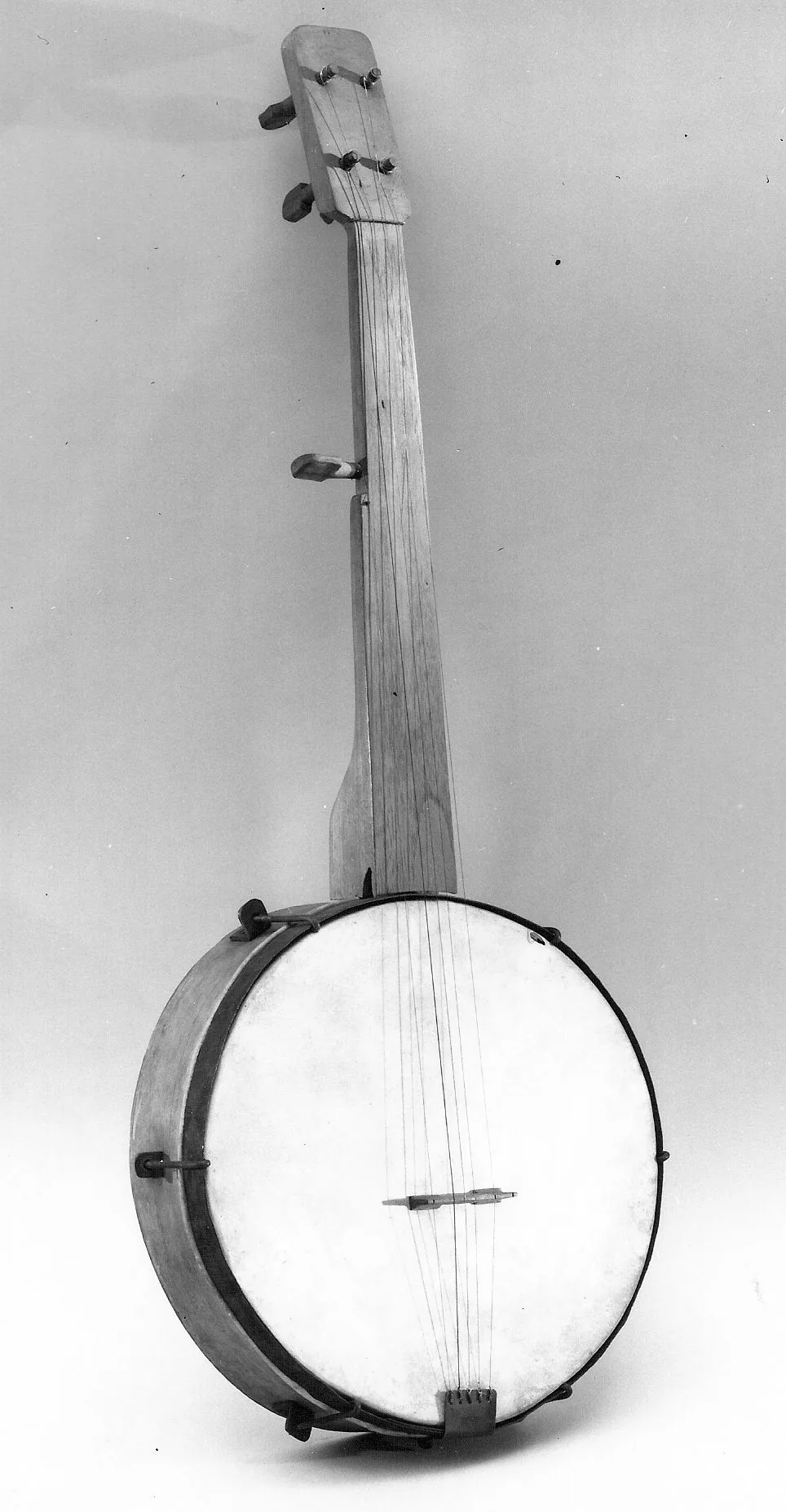
The banjo and mandolin are essential folk music instruments, adding a rhythmic dimension and harmonic richness to these musical compositions. The banjo is a plucked string instrument whose origins lie in African music, but it was quickly incorporated into American folk music. With its distinctive timbre and picking style, it brings a unique sound to folk melodies.
The mandolin is a bowed string instrument resembling a small guitar. Originating in Italy, it has found a place in folk music around the world, bringing a bright, cheerful sound to compositions. The mandolin is often used to play fast, virtuosic melodies, adding a touch of virtuosity to folk music.
To better understand the place of the banjo and mandolin in folk music, here is a summary table of the characteristics and playing techniques of these two instruments:
| Instrument | Origin | Characteristics | Playing techniques |
|---|---|---|---|
| Banjo | Africa / America | Round resonating body with a stretched membrane | Picking, frailing, up-picking |
| Mandolin | Italy | Pear- or guitar-shaped resonating body | Pizzicato, tremolo, double stops |
In conclusion, the banjo and mandolin are two essential instruments in folk music, bringing a lively rhythm and harmonic richness to the genre. Their unique sound and specific playing techniques contribute to the authenticity and diversity of folk music.

The accordion and bagpipes
The accordion and bagpipes are iconic folk music instruments, offering powerful, captivating sounds that transport listeners into the genre’s rich musical world. With its bellows and keys, the accordion creates a variety of melodious and rhythmic tones that add depth and expressiveness to folk compositions. Its versatility allows it to adapt to different styles of folk music, from lively dances to moving ballads.
The bagpipes, meanwhile, are known for their unique sound and ability to evoke images of rural landscapes and ancient traditions. This wind instrument, consisting of melody pipes and drones, produces a powerful, distinctive sound often associated with the folk music of Celtic and Breton regions. Bagpipes are also used in other musical genres, but they find their most authentic place in folk music, where they add a mystical, mesmerizing dimension.
Together, the accordion and bagpipes are often played in harmony with other folk instruments such as the acoustic guitar, violin, and bouzouki, creating rich and captivating musical arrangements. These traditional instruments complement one another, adding unique nuances and textures that are essential to the very essence of folk music.
| Instrument | Origin | Characteristics |
|---|---|---|
| Accordion | Central Europe | Keyboard, bellows, buttons |
| Bagpipes | Celtic and Breton regions | Melody pipes, drones |
The combination of accordion and bagpipes creates a dynamic, captivating soundscape that embodies the spirit of folk music. These traditional instruments convey the soul of the genre, carrying listeners on a timeless journey through traditions and cultures. The accordion and bagpipes are truly the jewels of folk music, bringing incomparable warmth and authenticity to every melody performed.
Other folk instruments
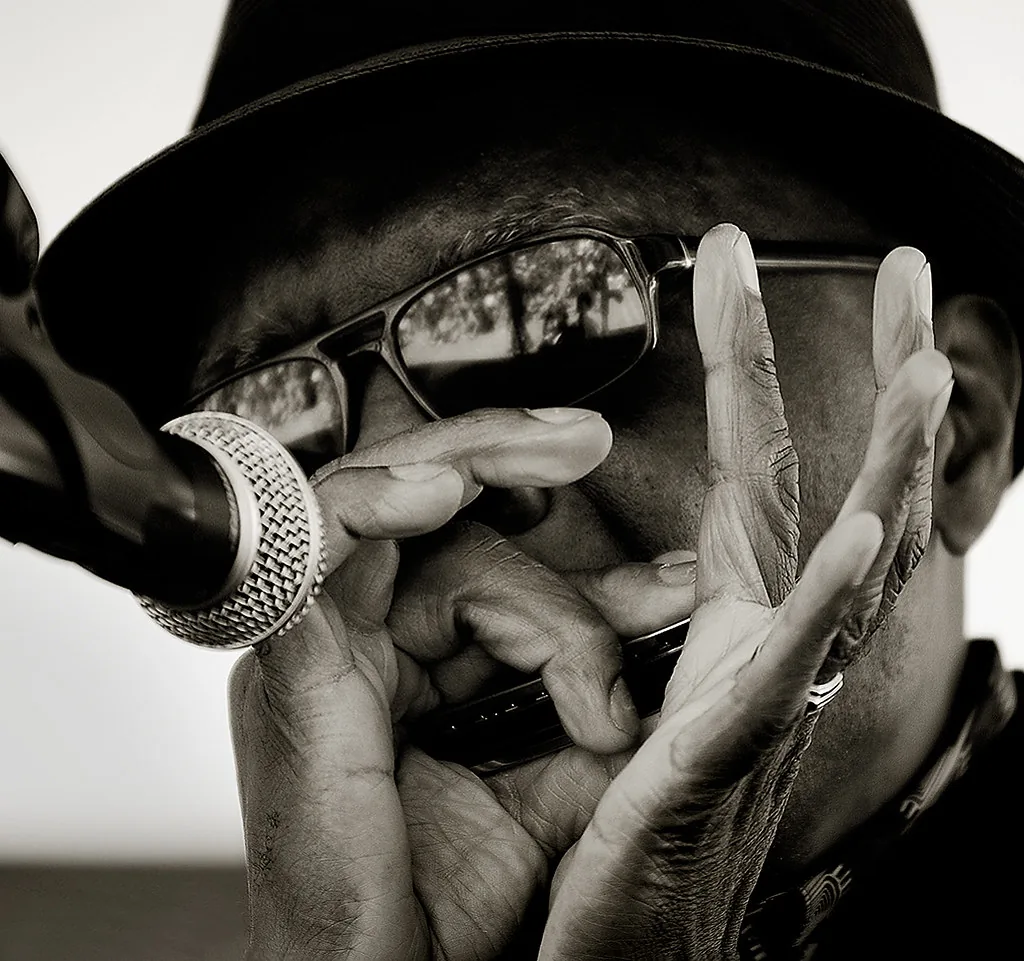
In addition to its iconic instruments, folk music also incorporates other folk instruments such as the folk guitar and harmonica, which bring a touch of originality and personal expression to these musical compositions.
The folk guitar is a versatile instrument with a place in many musical genres, including folk music. Recognizable by its larger soundbox and warm tone, the folk guitar is often used to accompany folk songs and add a melodic dimension to compositions. Its rich sound and ease of playing make it popular among folk musicians.
The harmonica, meanwhile, is a portable wind instrument used to add melodic accents to folk compositions. With several octaves of notes, it allows musicians to create catchy, nostalgic melodies that captivate audiences. Its distinctive sound and ability to produce expressive effects make it an essential folk music instrument.
Table of other folk instruments
| Instrument | Description |
|---|---|
| Folk guitar | A type of acoustic guitar often used in folk music to accompany songs and add melodies. |
| Harmonica | A portable wind instrument used to add melodic accents and expressive effects to folk compositions. |
In conclusion, folk music is not limited to iconic instruments such as the accordion, banjo, and bagpipes. The folk guitar and harmonica also play an important role in creating unique melodies and atmospheres within the genre. The diversity of folk instruments contributes to the originality and personal expression of folk compositions, offering listeners a wealth of sounds and a variety of emotions.
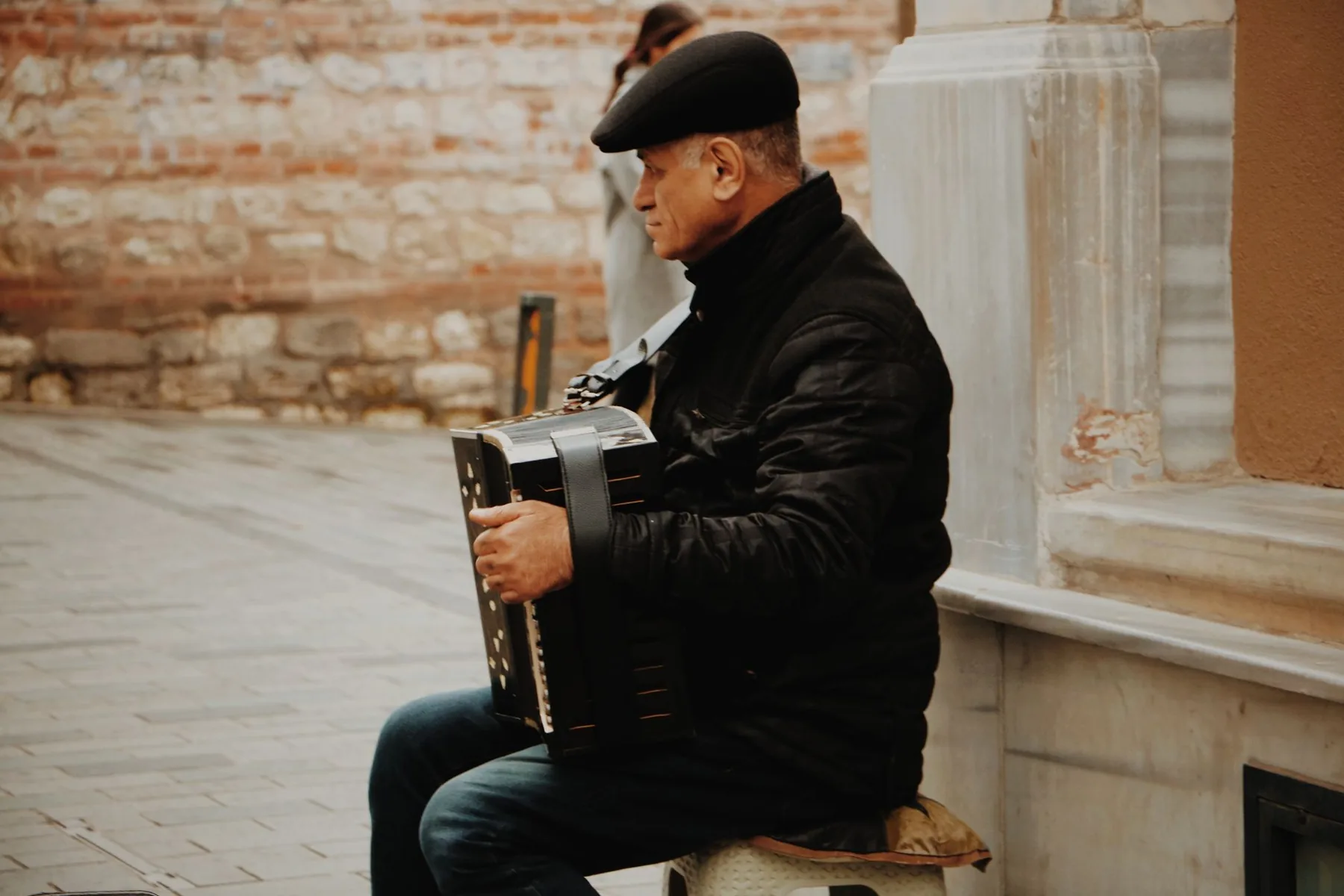
Folk music’s iconic instruments are essential to understanding and appreciating the richness and authenticity of this musical genre, whose roots lie in local traditions and stories.
These instruments, such as the accordion, banjo, bagpipes, mandolin, and violin, have a distinctive sound that evokes the atmosphere of rural landscapes and folk traditions. They help create folk melodies by bringing an emotional and narrative dimension to folk music. Their use in this musical genre is so widespread that they have become symbols of folk music.
In addition to the best-known instruments, there are other folk instruments, such as the folk guitar and harmonica, that add diversity and creativity to folk music. Each instrument brings its own tonal color and playing technique, allowing folk musicians to create unique and captivating atmospheres.
Folk music’s iconic instruments are not only important musically: they are also living witnesses to the history and traditions of different regions of the world. Their unique sounds and association with local stories strengthen the link between folk music and its cultural heritage. Listening to folk music thus takes us on a journey through time and space, revealing melodies and rhythms that tell stories deeply rooted in tradition.
FAQ
What are the iconic instruments of folk music?
The iconic instruments of folk music include the accordion, banjo, bagpipes, mandolin, hurdy-gurdy, bouzouki, psaltery, dulcimer, violin, and timbal.
Are these instruments used only in folk music?
These instruments are often used in folk music, although they may also appear in other musical genres.
What are some Swiss folk instruments?
Swiss folk instruments include the büchel, hexenscheit, hackbrett, wooden spoons, and schwyzerörgeli.
What is the büchel?
The büchel is a type of Alpine horn and a Swiss folk instrument.
What is the hexenscheit?
The hexenscheit, also known as the “witch’s board,” is a Bernese zither and a Swiss folk instrument.
What is the hackbrett?
The hackbrett is an instrument related to the cimbalom and is also used in Swiss folk music.
What Swiss folk percussion instruments are there?
Wooden spoons are often used as percussion instruments in Swiss folk music.
What is the schwyzerörgeli?
The schwyzerörgeli is a small accordion typical of Swiss music and is often used in folk music.