
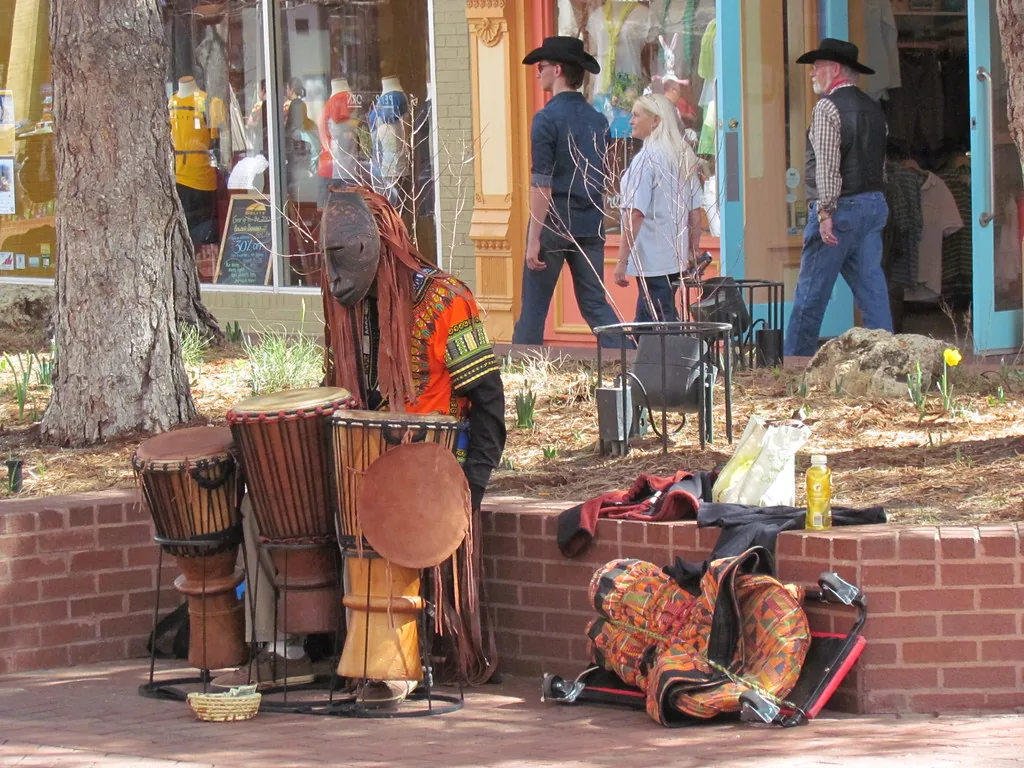
The djembe is much more than a simple drum. This iconic West African instrument is a genuine cultural symbol and marker of identity. Its roots lie in ancient traditions, particularly those of Guinea, Mali, Senegal and Côte d’Ivoire.
Over the years, the djembe has won over the world. Its powerful, vibrant sound captivates hearts and stirs the spirit. This instrument plays a central role in the daily life of African communities, particularly during ceremonies and rites.
In this article, we will explore the fascinating history of this instrument, along with its playing techniques and social importance. We will also highlight the concept of the djembefola, the master percussionist who keeps this tradition alive. Get ready to enter the captivating world of the djembe!
1. Introduction to the djembe: an iconic West African instrument
A powerful symbol of West Africa, this instrument embodies the soul of its peoples. The djembe is recognized as the region’s most iconic percussion instrument. Its unique and powerful sound commands attention and sets hearts vibrating.
The djembe’s distinctive goblet shape gives it exceptional acoustic qualities. It can produce a wide range of sounds, from low, deep notes to high, sharp slaps. This sonic diversity makes it a fascinating instrument to explore.
Far more than a simple drum, this instrument is a vehicle for cultural expression. It strengthens social bonds and celebrates important moments within communities. At gatherings and festivities, the djembe plays a central role, accompanying dances and songs.
Over the years, this instrument has crossed the borders of West Africa and won over the entire world. Its growing popularity reflects its accessibility to people of every background and culture. The djembe does not require extensive musical knowledge to begin playing, which makes it even more appealing.
Here is a summary of the djembe’s main characteristics:
| Characteristic | Details |
|---|---|
| Shape | Goblet |
| Sound | Low, high and sharp tones |
| Cultural role | Expression, social bonds and celebration |
| Accessibility | Easy to learn and open to everyone |
2. The djembe’s geographical and cultural origins in West Africa
The drum we now know as a vibrant symbol of West Africa has deep roots. Its history is grounded in the ancient traditions of peoples living in regions such as Guinea, Mali, Senegal and Côte d’Ivoire. These countries saw the instrument emerge within cultures rich in spirituality and ritual.
The djembe is not merely an instrument; it is intimately connected with these communities’ rites and celebrations. Its creation relies on craft techniques passed down from generation to generation, demonstrating the instrument’s importance in everyday life.
In these villages, the drum marks key moments in community life. Whether at weddings, funerals or festivals, the djembe plays an essential role. It provides a means of expression and communication that allows people to come together and celebrate.
The djembe’s meaning extends beyond music. In West African cultures, it is regarded as a sacred object and a symbol of cultural identity. Its use in spiritual ceremonies reinforces its status and underlines its importance within the social fabric.
Here is a summary of the djembe’s origins and importance:
| Aspects | Details |
|---|---|
| Regions of origin | Guinea, Mali, Senegal, Côte d’Ivoire |
| Cultural connections | Rites, rituals and celebrations |
| Meaning | Sacred object and cultural expression |
| Function | Communication and social gathering |
| Transmission | Oral traditions and craftspeople |
The djembe’s origins show how the instrument has evolved over the centuries. The traditions surrounding it continue to influence both its practice and its meaning. It therefore remains a central element of West African culture while continuing to spread throughout the world.
To learn more about African music and its worldwide influence, read this article about African music around the world.
3. The djembe’s history and evolution across generations
Since its beginnings, this iconic instrument has evolved while preserving its essence. The djembe, which originated more than 700 years ago, was shaped by the traditions of West African peoples. Over the years, it has moved through different eras by adapting to cultural and social change.
Passing on this expertise is crucial. Master djembefolas play an essential role in sharing techniques and traditions. Through them, younger generations learn not only how to play but also how to understand the instrument’s cultural importance.
- The djembe began gaining international prominence in the 1950s through tours by African ballet companies.
- It gradually became part of various musical genres, ranging from jazz to pop.
- Construction techniques have evolved, but traditional craft principles remain fundamental.
- It has become an essential instrument in music schools and introductory workshops.
The djembe’s popularity truly demonstrates its unique role as a bridge between cultures. It has captivated audiences worldwide, proving that music can bring together people from every background.
“The djembe is more than a simple drum; it is a universal language that unites souls,” says a percussion expert. This quotation perfectly sums up the instrument’s influence around the world.
To deepen your knowledge of this fascinating instrument, read this article about the djembe’s characteristics and history.
4. Traditional djembe construction: materials, techniques and symbols
Creating a drum is an art that combines tradition and expertise. Every stage of making a djembe is essential to ensuring its sound quality and appearance. This craft process, passed down from generation to generation, requires patience and precision.
4.1. The wood used and its meticulous shaping
The choice of wood is crucial when making this instrument. Fine iroko wood is often preferred. This material can be up to 20% lighter than other species while remaining highly durable.
The process begins by cutting logs approximately 60 cm long. Only the hardest portions, known as heartwood, are retained. The craftsperson then hollows out the trunk to create the goblet shape, ensuring a good balance between strength and sound quality.
Traditional tools, such as a gouge or camara, are used to give the drum its final shape. Every stroke of the tool is carefully considered because it affects the final resonance.
4.2. Goatskin: preparation and attachment
Goatskin plays an essential role in the djembe’s sound. It is first soaked to make it supple, then shaved and thinned. This preparation is crucial for achieving optimal vibration.
Once ready, the skin is secured to the drum body with braided ropes and metal rings. This technique ensures perfect tension, which is essential for producing a powerful, deep sound.
4.3. Carved decorations: identity and cultural aesthetics
Every djembe is unique because of its hand-carved decorations. Whether simple or elaborate, these patterns add an artistic and cultural dimension to the instrument. They often reflect the identity of the community or craftsperson.
The master craftsperson, or djembefola, plays a central role in this process. They ensure harmony between the wood, skin and sound. Making a djembe also means preserving a culture and passing on a sacred tradition.
Here is a summary of the stages involved in making a djembe:
| Stage | Details |
|---|---|
| Choosing the wood | Iroko, kapok and mahogany |
| Cutting the logs | Approximately 60 cm, retaining the heartwood |
| Shaping | Use of a gouge and camara |
| Preparing the skin | Soaking, shaving and attaching |
| Tensioning the skin | Use of braided ropes and rings |
| Decorations | Hand-carved cultural patterns |
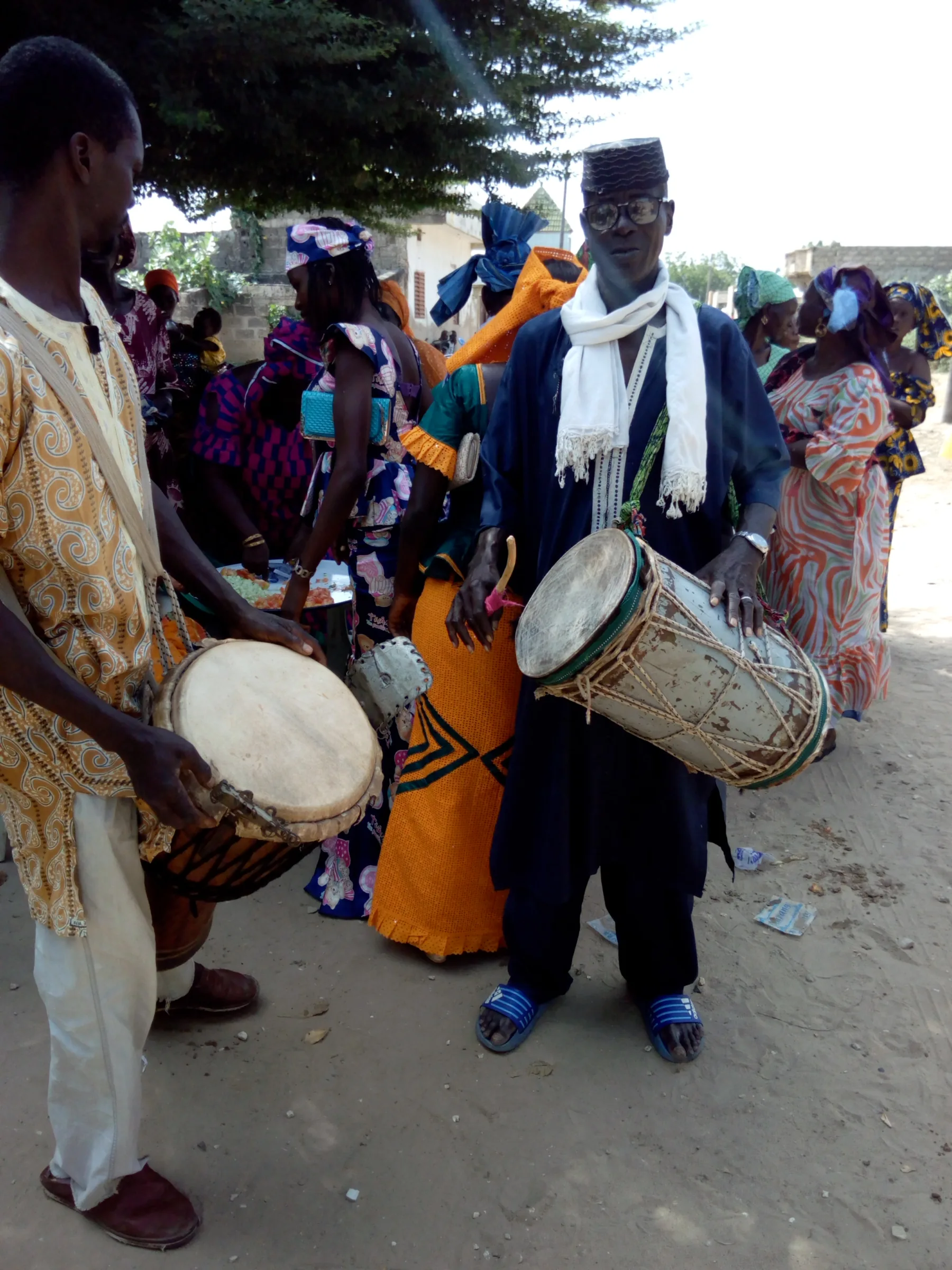
Ultimately, making a djembe is far more than a simple act of creation. It is a genuine tribute to the culture, tradition and identity of West African peoples.
To explore this subject further, read this article about how the djembe is made.
5. Djembe playing techniques and the richness of its rhythms
Percussionists known as djembefolas are masters of playing this instrument. They use various striking techniques to create a wide range of captivating sounds and rhythms. Every performance is an invitation to discover the richness of this unique instrument.
5.1. The main strokes: bass, tone and slap
The drum’s three fundamental strokes are essential for producing a rich sound:
- Bass: this low, deep sound is produced by striking the center of the skin with the palm. The technique creates a vibration that resonates throughout the body.
- Tone: a clear, open sound is produced by striking the edge of the skin with the fingers held together. This sound is crucial to the melody of the rhythms.
- Slap: this dry, sharp sound is produced by striking the edge of the skin with the fingers spread apart. The technique adds remarkable dynamics and expressiveness to the performance.
5.2. Traditional rhythms and their meaning
Every djembe rhythm tells a story and conveys a message or emotion. It is a true musical language. Cheerful, driving rhythms are often used during celebrations, inviting people to dance and share in collective joy. By contrast, deep, meditative rhythms are played during spiritual ceremonies and encourage contemplation.
Mastering these techniques engages the entire body and develops the percussionist’s coordination and sense of rhythm. Regular practice is crucial for refining these skills and achieving a high-quality sound rich in nuance.
“The djembe is a true musical language that unites souls,” says a percussion expert. This quotation illustrates the instrument’s cultural importance.
To learn more about rhythms and playing techniques, read this article about the djembe.
6. The djembe’s central role in African ceremonies and social life
The drum is far more than a simple instrument: it is a vehicle for unity and sharing. In African communities, it provides the rhythm for life’s most important moments. Whether at weddings, births or funerals, this instrument plays a central role in traditional ceremonies.
At weddings, the drum’s joyful, driving rhythms accompany the celebrations. Families gather to sing and dance, creating a festive atmosphere. Every beat evokes emotion and strengthens the bonds between community members.
During birth ceremonies, the drum marks the arrival of a new child. Specific rhythms bearing blessings are played to welcome the baby into the community. This underlines the importance of life and the continuity of traditions.
At funerals, the drum’s low, deep sounds accompany moments of remembrance. The instrument honors the memory of the deceased and allows loved ones to share their grief while celebrating life. Its rhythms play a crucial role in passing on cultural values and memories.
Initiation rites marking the transition to adulthood are also punctuated by the drum. It transmits cultural values to younger generations and teaches them the importance of their heritage. These rites of passage are occasions for celebration and gathering.
Beyond ceremonies, this instrument structures social life in Africa. Percussionists create a collective energy that unites community members. The drum accompanies songs, dances and stories, contributing to the oral transmission of history and traditions.
Historically, the drum was also used for long-distance communication. Its powerful sounds could travel for miles, connecting villages with one another. The instrument therefore served a unifying function, strengthening social bonds over the years.
Ultimately, the drum is an essential part of the social and cultural fabric of African communities. Its use in ceremonies and daily life demonstrates its importance not only as a musical instrument but also as a symbol of expression and connection.
7. The djembe as a musical language and means of communication
This iconic instrument transcends the boundaries of music to become a universal language. Every drum rhythm conveys a message or emotion and tells a unique story. It serves not only to express feelings but also to communicate complex information.
Djembefolas use the instrument to imitate the tones and rhythms of spoken African languages. This creates a genuine dialogue between the percussionist and the audience. Here are several key aspects of this musical communication:
- Musical language: the djembe can convey messages, emotions and stories through its rhythms and sounds.
- Long-distance communication: in the past, the drum’s powerful sounds traveled across the landscape, allowing villages to exchange information.
- Expressive richness: it communicates a broad range of emotions, from the most exuberant joy to the deepest sorrow.
- Invitation to dance: every beat encourages celebration and sharing, strengthening community bonds.
- Transmission of traditions: its rhythms carry stories, legends and historical events across generations.
- Universal communication: the instrument transcends language barriers, uniting people through the simple language of rhythm.
- Personal and collective expression: it gives everyone an opportunity to express themselves freely through music.
- A language of gathering: the drum calls the community together, creating a sense of unity and belonging.
- The enduring musical language: the djembe continues to communicate emotions and messages in contemporary culture.
“Every drumbeat is an invitation to dance, celebrate and escape,” notes a percussion expert. This quotation perfectly sums up the instrument’s influence on communities.
8. Passing on and preserving traditions surrounding the djembe
Passing on the traditions surrounding the drum is fundamental to preserving the culture. A genuine cultural pillar, this instrument plays an essential role in safeguarding African memories and identities.
Djembefolas, the master percussionists, are at the heart of this transmission. They share their technical, rhythmic and cultural knowledge with their students. Through them, younger generations learn to play while also absorbing the values surrounding the instrument.
Oral transmission is paramount in the learning process. Rhythms and techniques are passed on through listening, observation and practice. This strengthens the bond between generations and ensures the continuity of traditions.
Globalization nevertheless poses challenges to the preservation of these traditions. Musical practices are becoming standardized, threatening the authenticity of ancestral knowledge. Several initiatives have emerged in response. Percussion schools, festivals and workshops are organized to perpetuate this heritage.
Elders and griots also play a crucial role. They are the custodians of collective memory and pass down stories and traditions. Their knowledge is invaluable to the survival of this sacred instrument.
Regular drum practice keeps traditions alive while adapting them to contemporary realities. In this way, the instrument continues to inspire and bring future generations together.
It is important to emphasize that this article, along with other resources, contributes to preserving and sharing knowledge about the drum. Intergenerational transmission is a fundamental pillar in ensuring this cultural heritage endures.
Ultimately, preserving the traditions associated with this instrument is essential for the years ahead. It ensures that this heritage will continue to enrich the world of music and culture.
9. Great djembe masters and their international influence
The influence of master drummers can be felt across generations and continents. These legends include iconic figures such as Mamady Keïta, Famoudou Konaté and Adama Dramé. Their virtuosity and passion for the instrument propelled them onto the world stage.
Mamady Keïta, from Guinea, is renowned for his exceptional technique. He helped make the drum an international symbol of African music. His captivating performances inspired numerous percussionists and passed on his love for the instrument.
Another master, Famoudou Konaté, is celebrated for his profound knowledge of traditional rhythms. His spellbinding performances and educational approach have enabled generations of musicians to learn about and appreciate the richness of this art.
Adama Dramé is another essential figure. He combines tradition and modernity, making the drum accessible to an ever-wider audience. His work has helped change perceptions of the instrument by presenting it as a tool for universal expression.
These great masters have played a key role in spreading playing techniques and rhythms. Through their tours, recordings and teaching, they have shared their knowledge with the entire world. Their influence has helped preserve the instrument’s authenticity and traditions while integrating it into varied musical settings.
Their legacy is immense. The teaching methods they developed continue to inspire new generations of percussionists. Thanks to them, the drum is recognized as a musical instrument in its own right, capable of resonating on the world’s greatest stages.
Ultimately, these masters transformed perceptions of the drum, taking it from a traditional instrument to a true symbol of musical expression. Their contribution to culture and music is invaluable.
10. Djembe: origin, history and role in African music—a summary and contemporary challenges
This drum represents far more than a musical tool: it reflects a cultural identity. Throughout this article, we have explored the many facets of this iconic instrument. Its origin, history and fundamental role in traditional and contemporary music are key elements of its richness.
In a constantly changing world, preserving and promoting this instrument are crucial challenges. As tradition intertwines with modernity, it is essential to recognize the djembe as a living symbol of culture. It continues to inspire, gather and unite peoples throughout the world.
Playing this instrument offers numerous benefits for body and mind. It develops a sense of rhythm, coordination, motor skills and concentration. Playing provides an outlet, channels energy and restores a connection with the body, thereby encouraging personal fulfillment that is accessible to everyone.
As a bridge between cultures, the instrument encourages exchange and mutual understanding. Commercialization and standardization nevertheless present challenges. These phenomena can threaten the instrument’s craftsmanship and authenticity.
It is therefore crucial to support local craftspeople and master djembefolas. They preserve traditional construction techniques and the drum’s cultural richness. Moreover, the instrument’s growing role in music therapy and wellness practices demonstrates its ability to benefit body and mind.
In conclusion, the future of this instrument—far more than a simple drum—is promising. Across the years, it has embodied an ideal of sharing and humanity. With its living heritage, the djembe will continue to enrich the world of music and culture.
11. Conclusion: the djembe’s living heritage and its future in the musical world
This drum, a genuine reflection of cultural identity, unites communities through music. More than a simple instrument, it embodies a living heritage spanning ages and continents. Its spellbinding rhythms and deep vibrations continue to inspire peoples while celebrating the beauty and diversity of cultures.
Accessible to everyone, the instrument invites each person to explore their passion for music. Whether a beginner or an experienced player, practicing the drum offers an enriching and immersive experience. It develops a sense of rhythm, creativity and connection with the body.
In the future, the drum will need to navigate between innovation and respect for tradition. Its craftsmanship and authenticity are essential to preserving its unique sound. By joining the community of music lovers, everyone can help keep this heritage alive and ensure that it continues to inspire future generations.
Let your passion resonate and explore the magic of this instrument, a true symbol of unity and sharing.