
The folk scene in France is a true musical treasure, offering a wealth of authentic acoustic compositions. Born from the rejection of consumer society in the 1960s, French folk emerged from a blend of the American folk tradition and the search for new musical forms in France.
Since May 1968, the folk movement has experienced a veritable boom in France, becoming a favored means of expression for young people seeking new forms of participation and identity. By reinventing traditional rhythms and instruments, folk also contributed to the renewal of popular music.
But folk is much more than just a musical genre. It played an important role in social movements by providing a gathering place and a platform for protest. It helped open up new cultural and political horizons in France.
Throughout this article, we will explore the origins of folk in France, its influence on popular music, the renowned artists who have contributed to this music scene, and the folk festivals that bring the country to life. Get ready to immerse yourself in the unique and captivating world of folk music in France.
The Origins of Folk in France
Folk in France has its roots in the rejection of consumer society and in the fusion of the American folk tradition with new French musical forms. During the 1960s, as French youth sought to express themselves beyond established conventions, folk emerged as an authentic response to this quest for artistic freedom.
The French folk revival was influenced by the early waves of American folk, particularly those associated with Woody Guthrie and Pete Seeger. French artists such as Graeme Allwright, Hugues Aufray, and Leny Escudero adapted American folk songs into French, helping to popularize the genre throughout the country.
With the emergence of the French folk revival, many artists began drawing on the roots of traditional French music to create new compositions. They took inspiration from genres such as sea shanties, medieval ballads, and regional music, adapting them to their own musical styles. This gave rise to a renewal of folk music in France, combining influences from across the Atlantic with a deeply rooted cultural heritage.
| Famous French folk artists | Landmark albums |
|---|---|
| Graeme Allwright | “Le jour de clarté” |
| Hugues Aufray | “Santiano” |
| Leny Escudero | “Pour une amourette” |
The French folk revival helped preserve and revitalize traditional French music, giving it new life and adapting it to contemporary tastes and sensibilities. Today, folk in France remains a dynamic, constantly evolving genre, offering a musical richness that continues to captivate listeners seeking authenticity and depth.
The Boom of the Folk Movement in France
After May 1968, the folk movement in France experienced a veritable boom, becoming a favored means of expression for young people seeking new forms of participation and identity. Inspired by social movements and by a desire to challenge established norms, many French artists turned to folk to convey their messages and tell their stories.
Folk thus became the reflection of a generation in ferment, seeking to connect with a wider audience and express its aspirations through music.
French folk singers became emblematic figures of this era, captivating crowds with their heartfelt lyrics and acoustic style. Artists such as Graeme Allwright, Hugues Aufray, and Francis Cabrel were among the pioneers of the folk movement in France, bringing a new musical sensibility through their poetic and socially engaged songs.
Folk Events in France
Folk events in France play an essential role in promoting this musical genre. Festivals such as the Festival Interceltique de Lorient and the Festival du Folklore de Château-Gontier bring together French and international artists every year, showcasing emerging talents and established performers alike. These gatherings create a genuine folk community, allowing fans to connect and share their love of acoustic music.
Folk in France continues to evolve and reinvent itself while remaining an important pillar of the French music scene. It demonstrates the importance of music as a means of cultural and political expression, as well as its power to unite people around shared values.
| Artist | Signature song |
|---|---|
| Graeme Allwright | Le Jour de Clarté |
| Hugues Aufray | Santiano |
| Francis Cabrel | Je l’aime à mourir |
Beyond the French-speaking world, French folk has also influenced and inspired many international artists. Its legacy endures, offering a rich repertoire that still resonates today.
The folk movement in France opened up new cultural and political horizons, leaving an indelible mark on the French and international music scenes. It continues to bring music lovers together around shared values while providing a platform for personal and collective expression.
Folk’s Contribution to Popular Music
Folk breathed new life into popular music by reinventing traditional rhythms and instruments, thereby bringing an innovative perspective to the genre. French folk songs played a major role in the renewal of popular music in France, adding an authentic and intimate dimension to the music scene.
Folk artists skillfully used the genre’s characteristic elements, such as simple acoustic chords and poetic lyrics, to create songs that touch the soul and stir deep emotions in listeners. Melancholy rhythms and minimalist arrangements highlighted the singers’ voices and lyrics, creating an intimate connection between artist and audience.
The popularity of French folk songs also helped revitalize popular music in the country. Folk artists brought a fresh perspective to existing musical genres by blending folk traditions with contemporary influences. They created a unique and recognizable sound that attracted new listeners and opened up new artistic possibilities.
| Artist | Album | Year |
|---|---|---|
| Marie Laforêt | Marie Laforêt | 1967 |
| Maxime Le Forestier | Mon frère | 1972 |
| Nolwenn Leroy | Bretonne | 2010 |
Renowned French folk artists such as Marie Laforêt, Maxime Le Forestier, and Nolwenn Leroy have contributed significantly to the genre’s evolution and left a lasting mark on the French music scene. Their songs, infused with emotion and sensitivity, continue to inspire many artists and attract a wide audience.
In conclusion, folk played an essential role in the renewal of popular music in France. Through its authenticity, intimacy, and exploration of new musical forms, folk brought an innovative perspective and opened up new cultural horizons in the country. The local folk scene in France continues to evolve and thrive, offering listeners music of depth and sincerity.
References:
- “Marie Laforêt.” Wikipedia, https://www.allmusic.com/artist/marie-lafor%C3%AAt-mn0000268463.
- “Maxime Le Forestier.” Wikipedia, https://en.wikipedia.org/wiki/Maxime_Le_Forestier.
- “Nolwenn Leroy.” Wikipedia, https://www.last.fm/music/Nolwenn%20Leroy.
| Artist | Album | Year |
|---|---|---|
| Marie Laforêt | Marie Laforêt | 1967 |
| Maxime Le Forestier | Mon frère | 1972 |
| Nolwenn Leroy | Bretonne | 2010 |
The Social and Political Dimension of Folk
Folk played a crucial role in social movements in France by providing a gathering place and a platform for protest. It served as a platform for dissenting voices and socially engaged artists who wished to express their discontent with social and political injustices. Folk songs often carried messages of protest, solidarity, and hope, reflecting society’s concerns and echoing calls for change.
Folk became a powerful means of communication within social movements, helping to spread ideas, mobilize crowds, and inspire collective action. Folk music festivals played an essential role by providing a physical gathering place where people who shared common values could meet, exchange ideas, and strengthen their resistance.
Folk music is a peaceful weapon in the service of social justice and equality. It reminds us that we are not alone in our struggle and encourages us to persevere.
In addition to creating a supportive community, folk made it possible to call for social and political change. Folk lyrics encouraged critical reflection and brought social problems to light, prompting listeners to question the established order. Folk artists such as Alan Stivell and Marie-Florence Gros used their music to raise public awareness of issues such as the environment, injustice, and human rights.
Supporting the Struggle
Folk thus played an essential role in social mobilization in France, providing a space where marginalized voices and popular concerns could be heard. It helped amplify demands and create a peaceful resistance movement, transforming music into a powerful tool for change.
| Artist | Protest song |
|---|---|
| Alan Stivell | “Tri Martolod” |
| Marie-Florence Gros | “La Terre est si belle” |
| Dominique Grange | “Il n’y a plus de saisons” |
The table above presents some of the emblematic French folk songs that contributed to social mobilization and the struggle for a fairer world. These artists used their music to convey messages of solidarity, hope, and resistance, playing an essential role in social movements in France.
Renowned French Folk Artists
The French folk scene includes many renowned artists who have made major contributions to the genre. Their talent and creativity have highlighted the richness and diversity of folk music in France. These artists include:
- Renan Luce: a singer-songwriter, Renan Luce is known for his poetic lyrics and warm voice. His songs often evoke universal themes such as love, loneliness, and the search for meaning.
- Emily Loizeau: this Franco-British artist has won audiences over with her spellbinding voice and fascinating melodies. She draws inspiration from folk traditions and stories from the past.
- Oldelaf: with his quirky humor and lively songs, Oldelaf has set himself apart in the French folk landscape. His lyrics are often tinged with irony and mockery, giving him a unique and refreshing style.
“Folk music is a powerful means of expression that can touch hearts and minds. It has the power to unite people around shared values and inspire deep reflection on our society.”
These artists, among many others, have helped make folk an essential musical genre in France. Their talent and commitment have breathed new life into centuries-old traditions and adapted them to contemporary realities. Their music reflects France’s cultural identity and continues to inspire many artists and music lovers throughout the country.
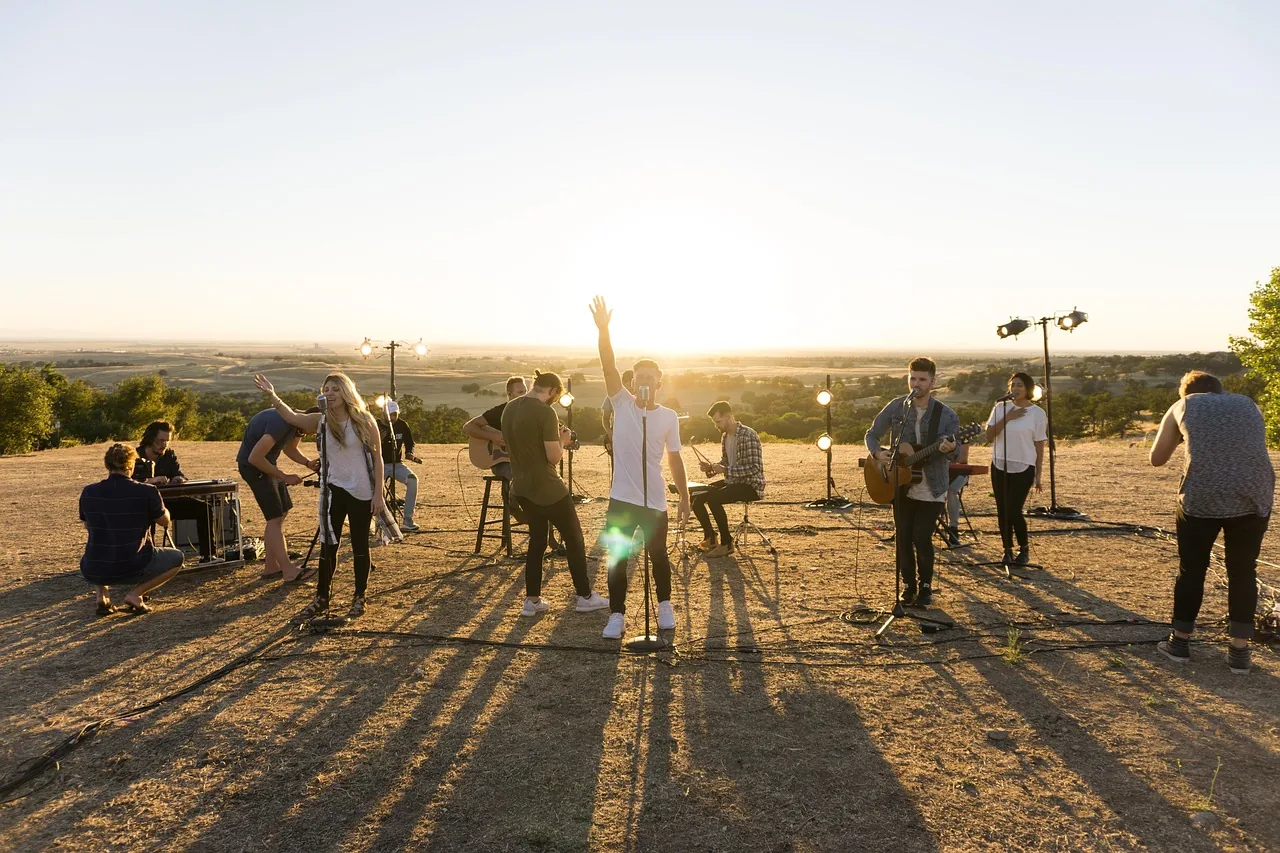
The richness and diversity of the French folk scene deserve to be explored and discovered. Whether you are a music lover or simply curious to discover new sounds, immerse yourself in the enchanting world of these talented artists and let the magic of folk music carry you away.
| Artist | Albums |
|---|---|
| Renan Luce | Repenti, Le Clan des Miros |
| Emily Loizeau | L’autre bout du monde, Pays sauvage |
| Oldelaf | Le monde est beau, Dimanche |
Folk Music Festivals in France
In France, many festivals and events devoted to folk music showcase both established and emerging artists. These festivals are special occasions where folk music enthusiasts can come together to celebrate the genre and discover new talent. They help promote and raise the profile of the local folk scene by offering unique live performances and creating a friendly, welcoming atmosphere.
One of the most renowned is the Festival Interceltique de Lorient, which welcomes internationally acclaimed folk artists and numerous regional groups every year. This major event showcases the richness and diversity of folk music in France, with a particular emphasis on Celtic traditions.
Another popular event is the Festival de la Chanson de Tadoussac, held annually in Quebec. Although it takes place outside France, the festival attracts many French folk artists and an enthusiastic audience. It gives folk talent an international stage, strengthening cultural exchanges between France and French-speaking Canada.
Table of Folk Music Festivals in France
| Festival name | Location | Date |
|---|---|---|
| Festival Interceltique de Lorient | Lorient, Brittany | August |
| Festival de la Chanson de Tadoussac | Tadoussac, Canada | June |
| Festival des Nuits de Champagne | Troyes, Grand Est | October |
| Festival Au Fil des Voix | Paris, Île-de-France | January–February |
These festivals offer only a glimpse of the diversity of events devoted to folk music in France. Many other festivals, such as the Festival des Vieilles Charrues in Brittany and the Festival de Marciac in Gers, also present rich programs featuring renowned folk artists. Whether on large open-air summer stages or in smaller, more intimate and welcoming venues, folk music festivals in France provide the perfect opportunity to discover and appreciate the richness of this musical genre.
Conclusion
In conclusion, the local folk scene in France is a true musical treasure, offering a unique journey through authentic French acoustic compositions. Born from the rejection of consumer society in the 1960s, folk in France emerged from the blend of the American folk tradition and the search for new musical forms in the country. After the events of May 1968, the folk movement experienced a veritable boom, becoming a favored means of expression for young people seeking new forms of participation and identity.
Beyond its social and political dimension, folk also helped renew popular music by reinventing traditional rhythms and instruments. By providing a gathering place and a platform for protest, it supported social movements and conveyed socially engaged messages within French society. Thanks to renowned artists, the French folk scene established itself and made a significant contribution to the genre, both culturally and politically.
Folk music festivals in France play an essential role in promoting the genre by providing a platform for emerging and established artists alike. These events are special occasions where folk enthusiasts can gather and share their passion for this authentic and captivating music. Exploring the local folk scene in France reveals a world rich in creativity and diversity, where French acoustic compositions come alive and touch listeners’ hearts.
The local folk scene in France therefore represents far more than a mere musical movement. It embodies a living tradition and an artistic expression deeply rooted in French history and culture. Whether through the signature songs of French folk artists or at festivals devoted to this music, folk continues to captivate audiences and convey unique emotions, bringing people together around shared values. Folk music in France is a genuine heritage whose richness deserves to be preserved and celebrated.
FAQ
What is the folk movement in France?
The folk movement in France emerged from the rejection of consumer society in the 1960s. It grew out of a blend of the American folk tradition and the search for new musical forms in France.
What role did folk play in France after May 1968?
After May 1968, folk became a favored means of expression for young people seeking new forms of participation and identity.
How did folk contribute to popular music in France?
Folk helped renew popular music by reinventing traditional rhythms and instruments, bringing a fresh perspective to the genre.
What role did folk play in social movements in France?
Folk provided a gathering place and a platform for protest, thereby playing an important role in social movements in France.
Who are some renowned French folk artists?
Renowned French folk artists include Hugues Aufray, Graeme Allwright, and Mouloudji.
What folk music festivals are held in France?
Folk music festivals in France include the Festival Interceltique de Lorient, the Festival de la Chanson de Tadoussac, and Festival Vagabondages.
What is the conclusion of this exploration of the folk scene in France?
The folk scene in France offers a unique and authentic exploration of folk music, which has opened up new cultural and political horizons in the country.