
If you would like to learn to play folk music, this article provides the essential techniques and tips you need to get started. Learning folk music takes time, motivation, and enjoyment. Whatever your age, brain plasticity allows you to learn at any time. To begin, it is best to choose an instrument that speaks to you, such as the guitar or piano, which are considered useful reference instruments.
You can choose to learn on your own or with a music teacher; each option has its advantages and disadvantages. We will also discuss the importance of incorporating music theory into your instrumental training to make music easier to understand.
The key to learning is to play regularly, even if only for a few minutes each day, instead of having occasional long sessions. It is important to enjoy yourself while playing and to play with other musicians to develop your musical ear.
Beginner-friendly instrument packages are available, including guitar, bass, and keyboard packages. Finally, we recommend recording your practice sessions so that you can analyze your performance and gain perspective on your playing.
Before you start learning folk music, it is important to choose an instrument that interests you and is commonly used in this musical genre. The guitar and piano are useful reference instruments in folk music and are ideal for beginners.
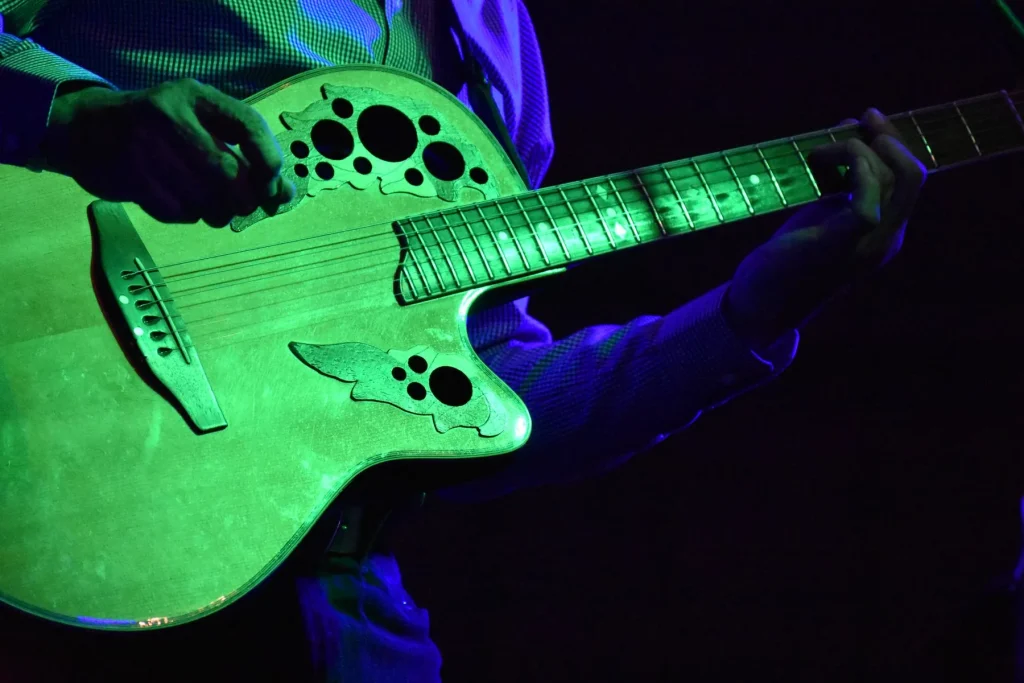
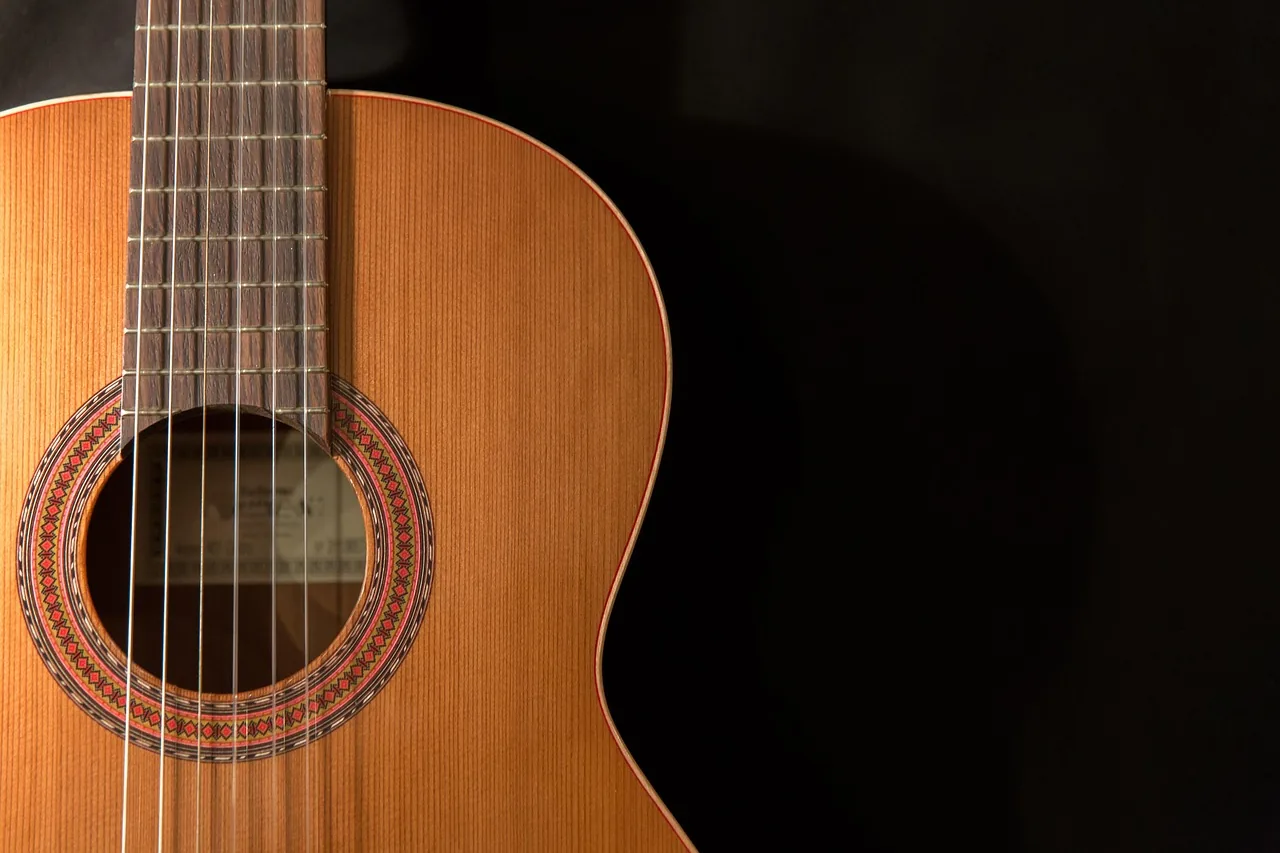
The guitar is often associated with folk music because of its warm sound and versatility. With an acoustic guitar, you can easily accompany yourself while singing and play chords typical of this musical genre. Electro-acoustic folk guitars are also available, allowing you to connect your instrument to an amplifier for a more powerful sound when performing with a group.
The piano is another popular instrument in folk music, offering a wide variety of sounds and expressive possibilities. Whether you play an acoustic piano or an electronic keyboard, learning to play chords and melodies will allow you to explore many styles of folk music.
| Instrument | Characteristics |
|---|---|
| Guitar | – Warm, versatile sound – Easy for accompanying yourself while singing – Chords typical of folk music |
| Piano | – Wide variety of sounds – Numerous expressive possibilities – Suitable for different styles of folk music |
“The guitar and piano are useful reference instruments in folk music and are ideal for beginners.”
Beginner-friendly instrument packages
If you are new to folk music, choosing an instrument package designed specifically for beginners can be a good idea. These packages generally contain your chosen instrument and all the accessories you need to start playing. For example, an acoustic guitar package may include the guitar, a tuner, a carrying case, and picks.
Keyboard packages are also available for people who want to learn to play the piano. These packages often include a keyboard, stand, sustain pedal, and headphones for silent practice.
- Folk guitar package:
- Guitar
- Tuner
- Carrying case
- Picks
- Keyboard package:
- Keyboard
- Stand
- Sustain pedal
- Headphones
By choosing an instrument that appeals to you and is suitable for folk music, you will give yourself every opportunity to progress quickly and enjoy playing.
When you decide to learn folk music, you can choose to teach yourself or work with a music teacher. Both options have advantages and disadvantages, and it is important to find the one that best suits your needs and learning style.
Learning on your own gives you the freedom to progress at your own pace and choose the techniques and pieces you want to study. It can be an ideal option if you are motivated and disciplined and have access to online learning resources such as video tutorials, sheet music, and discussion forums.
However, learning on your own can also present challenges. It may be difficult to stay motivated and avoid technical mistakes. You may also lack personalized advice on improving your playing. This is where a music teacher can be a great help.
Learning on your own or with a music teacher
An experienced music teacher can guide your learning, provide personalized support, and help you correct technical mistakes. They can also give you specific exercises to develop your skills and valuable advice on how to progress quickly.
In addition to providing technical support, a music teacher can help you develop your musicianship and interpretation. They can help you understand the nuances of folk music and express your emotions through your playing.
Whether you choose to learn on your own or with a music teacher, the most important thing is to find a method that suits you and practice consistently. Learning folk music can be a rewarding experience that allows you to express your creativity and connect with other passionate musicians.
| Advantages of learning on your own | Advantages of learning with a teacher |
|---|---|
| – Freedom to progress at your own pace | – Personalized guidance |
| – Choice of techniques and pieces to study | – Correction of technical mistakes |
| – Access to online learning resources | – Specific exercises for developing skills |
| – Flexible learning schedule | – Development of musicianship and interpretation |
Whichever option you choose, remember that learning folk music is above all a personal experience. Find your own path and continue to have fun as your playing improves. You may be surprised by how much you can flourish while exploring this rich and captivating musical genre.
Incorporating music theory into instrumental training
Music theory can be a valuable tool when learning folk music because it helps you understand and read music more fluently. By becoming familiar with notes, chords, and rhythms through music theory, you will develop a better understanding of music.
To incorporate music theory into your instrumental training, begin by learning the basics. Familiarize yourself with the treble and bass clefs, as well as the different note values and rhythmic symbols. Then practice reading folk music sheet music by applying this theoretical knowledge. You will quickly notice an improvement in your ability to play music in different styles and adapt to new songs.
Another way to incorporate music theory into your instrumental training is to complete specific exercises. Many books and online resources offer music theory exercises suited to folk music. These exercises will help strengthen your knowledge of the notes, chords, and keys used in this musical genre.
Music theory exercises for folk music:
| Exercise | Description |
|---|---|
| Note exercise | Practice reading notes on the staff and playing them on your instrument. |
| Chord exercise | Practice playing different chords using the chord symbols shown on the sheet music. |
| Rhythm exercise | Develop your sense of rhythm by playing rhythmic patterns specific to folk music. |
By incorporating music theory into your instrumental training, you will develop a better understanding of folk music and be able to play with greater ease and creativity. Remember to practice regularly and enjoy yourself as you learn!
Playing regularly and enjoying yourself
To progress while learning folk music, it is essential to play regularly and enjoy practicing. Whether you are a beginner or an experienced musician, spending time with your instrument every day will help you develop your technique, creativity, and musical ear. Here are a few tips to help you stay motivated and enjoy practicing folk music.
- Schedule regular sessions: Spend a few minutes with your folk instrument each day. It is better to play regularly, even for short periods, than to practice intensively during occasional long sessions.
- Vary your exercises: To avoid boredom and falling into a routine, try varying your folk music exercises. Learn new songs, explore different styles, or improvise. This will allow you to explore different techniques and remain motivated.
- Play with other musicians: Nothing compares with the pleasure of playing folk music in a group. Join jam sessions or find other musicians to play with. This will not only develop your musical ear but also allow you to learn from and inspire one another.
- Find ways to motivate yourself: If you are going through a period of low motivation, try setting achievable short-term goals. This might involve learning a new song, mastering a particular technique, or performing for a small audience. These small victories will give you a sense of achievement and satisfaction.
“The key to learning is to play regularly, even if only for a few minutes each day, instead of having occasional long sessions.”
Remember that learning folk music is a journey that takes time and patience. Enjoy every moment of your practice and appreciate the progress you make, however small it may seem. By playing regularly, varying your exercises, and surrounding yourself with other musicians, you will develop your talent and passion for folk music.
Take the time to play, explore, and have fun with your instrument. Folk music offers a wealth of possibilities and creativity waiting to be explored. So get started, play, and let folk music carry you toward new musical and emotional discoveries.

| Tips for playing regularly and enjoying yourself: | Benefits |
|---|---|
| Schedule regular sessions | – Develops your technique |
| Vary your exercises | – Prevents boredom and routine |
| Play with other musicians | – Develops your musical ear |
| Find ways to motivate yourself | – Helps you achieve attainable goals |
Playing with other musicians and developing your musical ear
To enrich your folk music practice, it is helpful to play with other musicians and develop your musical ear using sheet music and tutorials specific to this musical genre. Folk music is often played in groups, and interacting with other musicians will allow you to develop your listening, adaptability, and collaboration skills.
One effective way to find other musicians to play with is to attend jam sessions, where artists gather to improvise and play music together. This will allow you to discover new playing styles, learn new songs, and become familiar with different instrumental techniques.
In addition to playing with other musicians, it is also important to develop your musical ear. This means being able to listen carefully and recognize the different nuances and subtleties of folk music. One way to do this is to use sheet music written specifically for folk music, which will help you understand song structures, chord progressions, and the melodies characteristic of the genre.
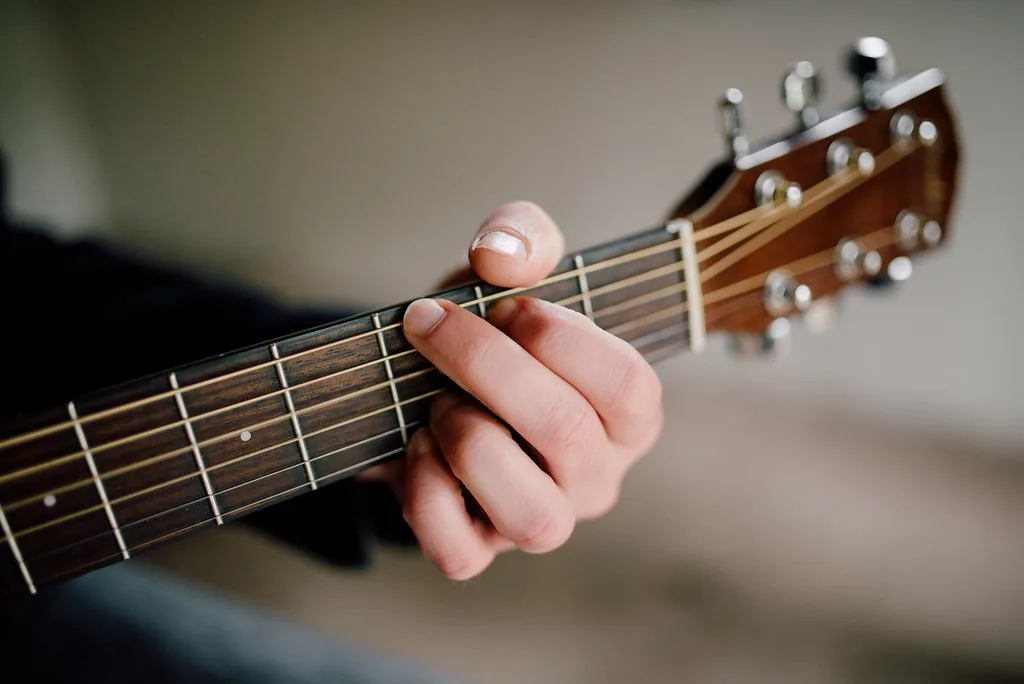
Many online tutorials can also guide you as you learn folk music. These tutorials are often accompanied by explanatory videos, chord diagrams, and practical advice for improving your playing. Use them as additional resources to deepen your knowledge and develop your technique.
By playing with other musicians and using sheet music and tutorials specific to folk music, you will expand your repertoire, improve your playing, and develop a deeper understanding of this rich and captivating musical genre.
Recording your practice sessions to improve
An effective way to progress while learning folk music is to record your practice sessions so that you can analyze your playing and identify areas for improvement. By recording your sessions, you can listen carefully to your performance, identify technical mistakes or weaknesses that need correcting, and focus on the aspects of your playing that need improvement.
It is important to choose a good-quality recorder that faithfully captures the sound of your instrument. Whether you use a portable recorder, a USB microphone, or recording software on your computer, make sure the recording is clear and accurate.
Once you have recorded your practice session, take the time to listen to it carefully. Note the passages where you encounter difficulties or are dissatisfied with your playing. Identify the technical problems or musical weaknesses you can work on to improve.
| Advantages of recording your practice sessions: | Disadvantages of recording your practice sessions: |
|---|---|
|
|
By recording your practice sessions, you can not only identify your weaknesses but also measure your progress. It is a valuable tool for musicians of every level, from beginners to professionals.
In conclusion, recording your practice sessions is an effective strategy for improving your folk music skills. It allows you to analyze your playing objectively and highlight the aspects you need to work on. Remember to take the time to listen carefully to your recordings and identify areas for improvement. Continue to play regularly, enjoy yourself, and develop your musical ear by playing with other musicians. With practice and perseverance, you will progress in your study of folk music.
By following these techniques and tips, you will be well equipped to begin your folk music learning journey and progress in this wonderful musical genre.
Learning to play folk music takes time, motivation, and enjoyment. Whatever your age, it is always possible to learn to play an instrument. Thanks to brain plasticity, our ability to learn new things remains with us at every age.
To begin, it is best to choose an instrument that resonates with you. Instruments such as the guitar and piano are considered useful reference instruments in the world of folk music. They are highly versatile and allow you to explore different musical styles.
Whether you choose to learn on your own or with a music teacher, each option has advantages and disadvantages. The important thing is to find the learning method that suits you best. Music theory can also be incorporated into your instrumental training to improve your musical understanding and ability to play folk music.
The key to learning folk music is to play regularly. Even if you can devote only a few minutes a day to it, playing regularly is better than having occasional long sessions. The important thing is to enjoy playing and take pleasure in practicing music.
Playing with other musicians is also essential for developing your musical ear and inspiring one another. Look for sheet music and tutorials specific to folk music to help you progress in your learning.
Finally, remember to record your practice sessions. This will allow you to analyze your performance, gain perspective on your playing, and continually improve.
FAQ
How can I learn to play folk music?
Learning to play folk music takes time, motivation, and enjoyment. You are never too old to learn to play an instrument: brain plasticity makes learning possible at any age.
Which instruments are suitable for folk music?
The guitar and piano are useful reference instruments in folk music, but a wide variety of instruments can be used to play folk music.
Is it better to learn on your own or with a music teacher?
Each option has advantages and disadvantages. Learning on your own offers greater flexibility, while having a music teacher can provide personalized support and advice.
Is it necessary to incorporate music theory into instrumental training?
Incorporating music theory can make music easier to understand and improve your ability to play folk music.
How can I play folk music regularly and enjoy myself?
The key is to play regularly, even if only for a few minutes each day, instead of having occasional long sessions. It is also important to enjoy playing and to play with other musicians to develop your musical ear.
How can I play with other musicians and develop my musical ear in folk music?
Playing with other musicians helps develop your musical ear by teaching you to adapt to others and work with sheet music and tutorials suited to folk music.
Is it useful to record folk music practice sessions?
Yes, recording your practice sessions is recommended so that you can analyze your performance and gain perspective on your playing.