
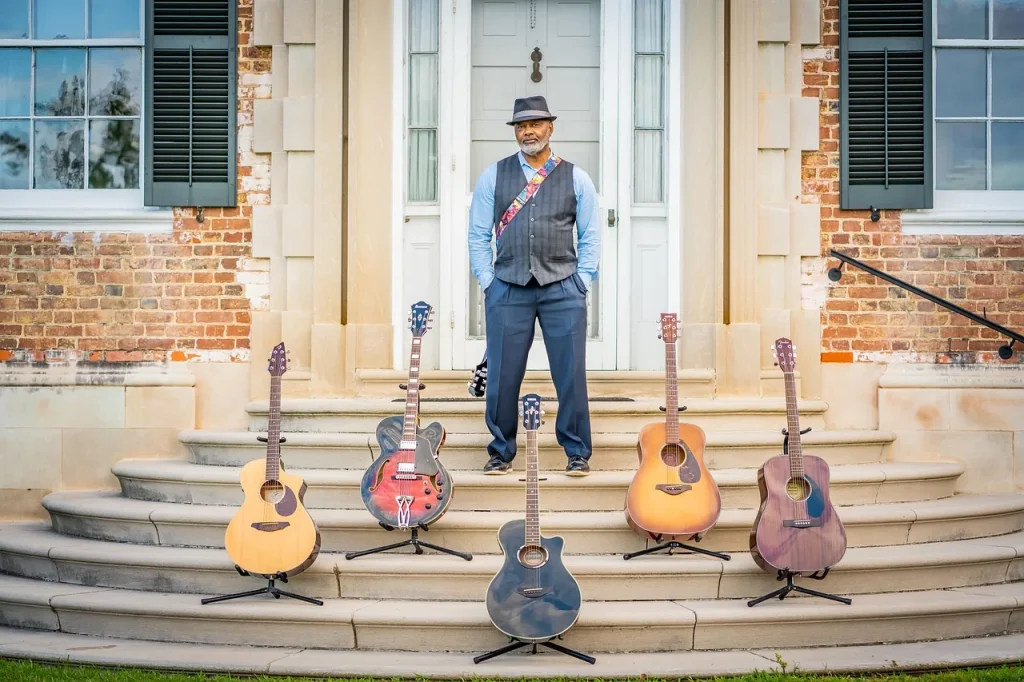
Folk music is a timeless musical genre rooted in various musical traditions throughout history. Originating in the United States, this style encompasses various genres that emerged in the early 20th century and are closely linked to traditional music. Over time, folk music evolved from a traditional form into a more popular one.
Folk music reached the height of its popularity in the 1960s, thanks to artists such as Bob Dylan and Joan Baez, who played key roles in the folk movement in the United States. Beyond the United States, the folk movement also spread to the United Kingdom and Ireland, where it continued to develop and influence the music scene.
In Canada, folk music retains its full vitality, particularly on the western prairies, where it is deeply rooted in the country’s culture and identity. In France, the folk movement also began to flourish in the 1960s with the creation of the first folk club in Paris.
Today, the term “folk” encompasses both traditional music and contemporary music inspired by that tradition. Folk music continues to evolve and influence today’s music scene, while many modern artists carry on the tradition.
Folk music has played an important role in preserving and transmitting languages, stories, and cultural traditions. However, it is also essential to consider cultural appropriation and respect the origins and meanings of different musical practices.
The origins of folk music
Folk music has its origins in the popular musical traditions of different cultures around the world. Passed down from generation to generation, these traditional forms of music have evolved over time into folk songs, accompanied by instruments characteristic of the folk genre.
Folk songs are often rooted in the history and customs of a region or country. They tell stories, recall significant events, and express the emotions and concerns of the communities that created them. These songs are often passed down orally, and each rendition may vary slightly depending on the performer singing it.
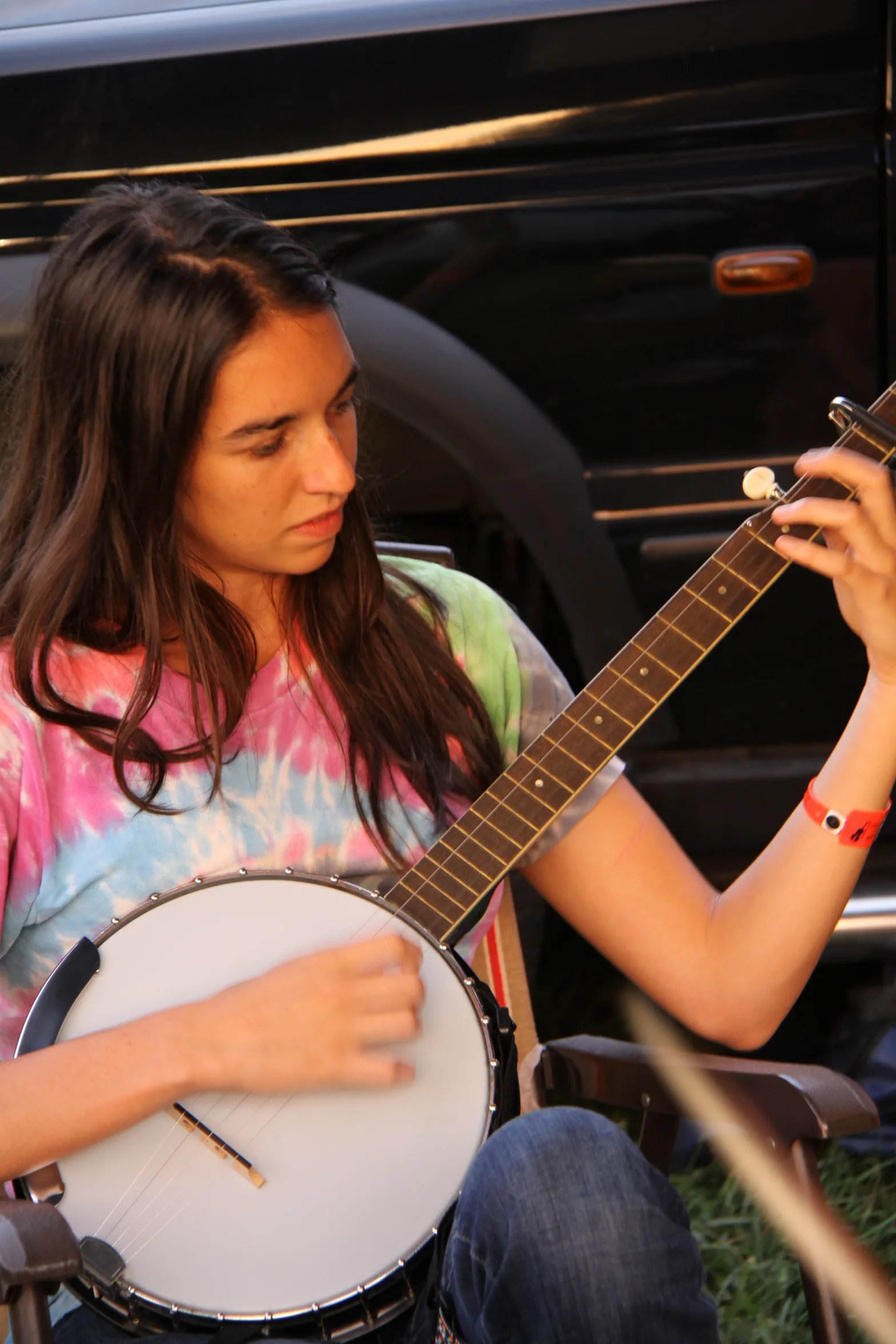
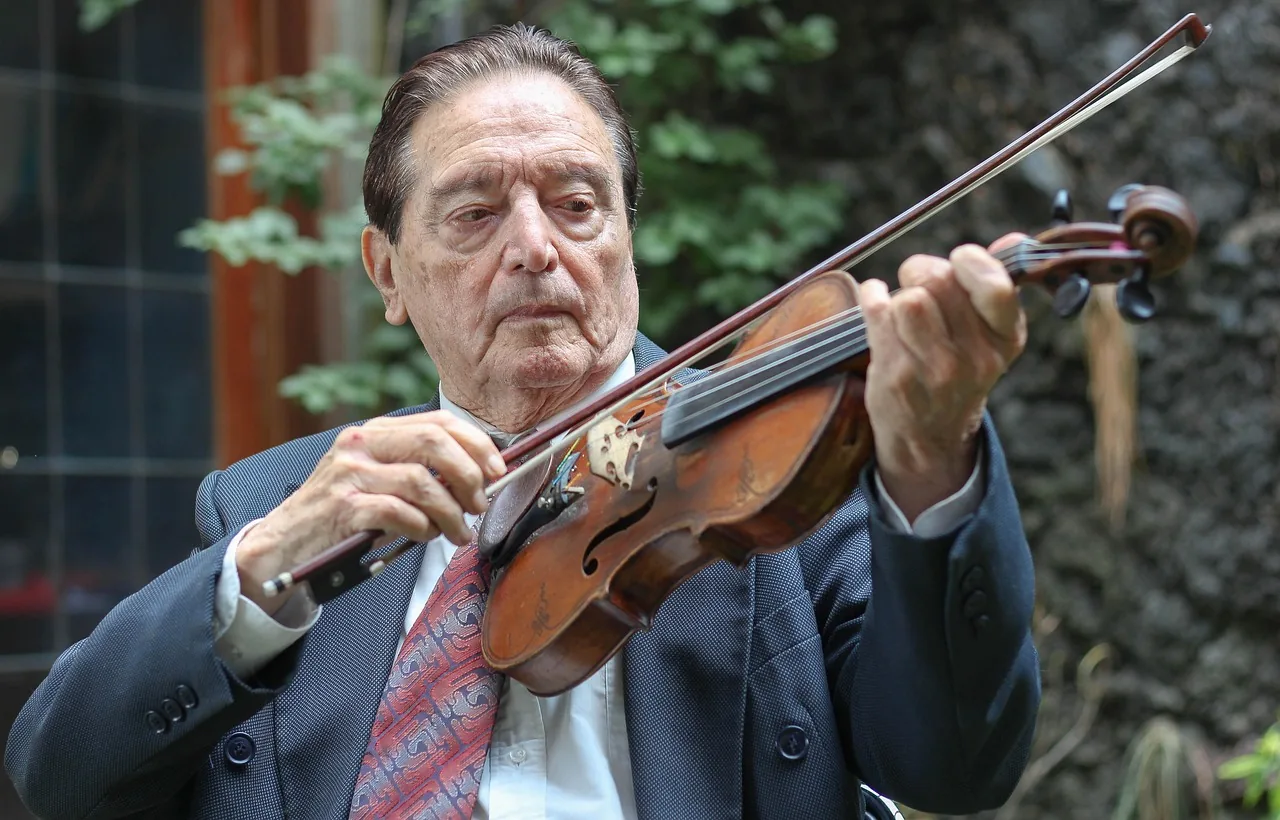
Folk instruments also play an essential role in folk music. They often include instruments such as the acoustic guitar, banjo, fiddle, dulcimer, and many others. These instruments give folk music an authentic, warm quality, creating an intimate and welcoming atmosphere.
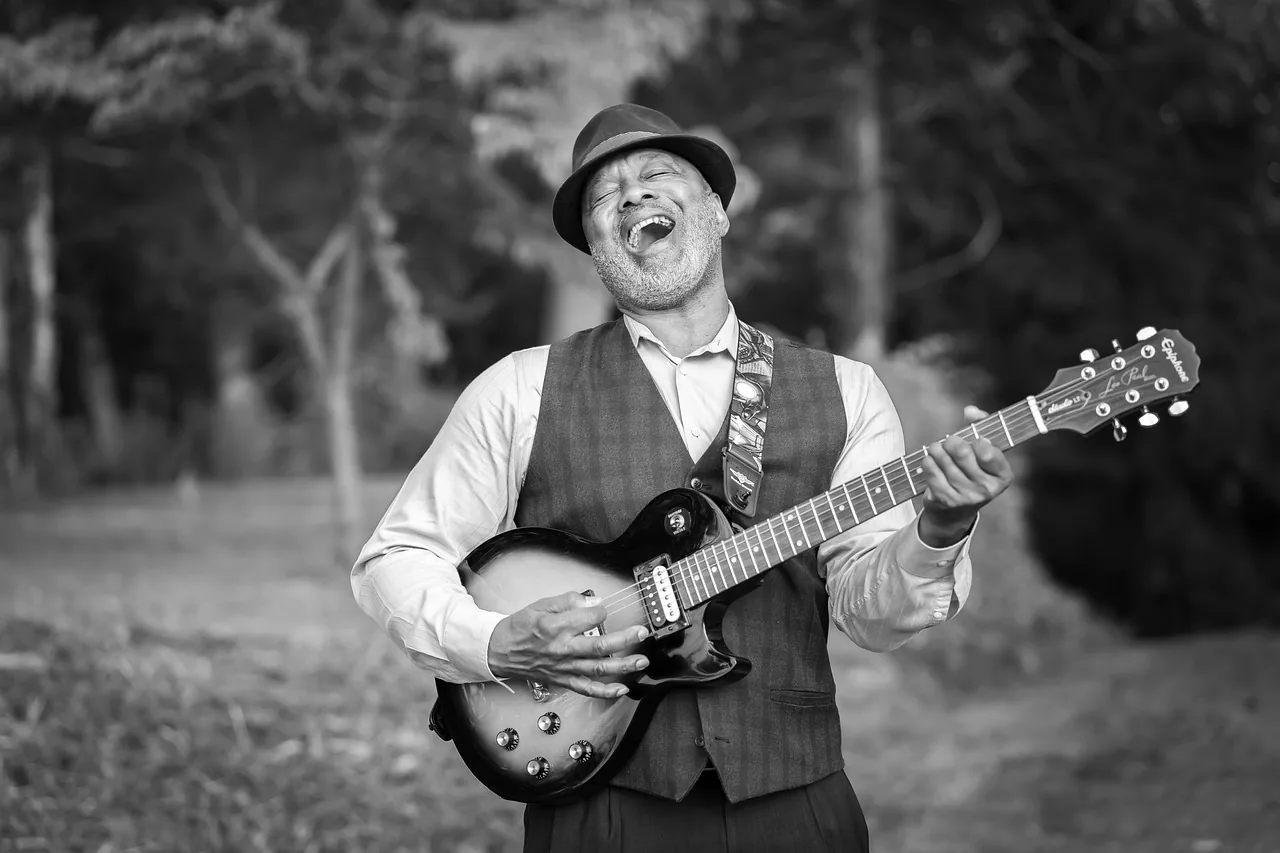
“Folk music is rooted in the ancestral traditions of different cultures around the world. It reflects the soul and identity of a people.”
Folk music has evolved and adapted over the centuries, but it continues to play an important role in preserving and transmitting languages, stories, and cultural traditions. It celebrates the identity and diversity of communities through songs and melodies that still resonate today.
The next time you listen to folk music, take the time to appreciate the origins and deeper meanings of these songs. Explore the different cultures that helped shape this unique musical genre, and let yourself be carried away by the authentic, timeless sounds of folk music.
| Traditional music | Folk songs | Folk instruments |
|---|---|---|
| Passed down from generation to generation | Rooted in regional history and customs | Acoustic guitar |
| Reflection of cultural identity | Tell stories and recount significant events | Banjo |
| Celebration of cultural diversity | Express communities’ emotions and concerns | Fiddle |
The evolution of folk music
Over the years, folk music has evolved to incorporate new styles and influences, reflecting cultural and societal changes. Originally rooted in traditional music, folk music gradually developed into a more popular form that reached a wider audience. One of folk music’s major movements emerged in the 1960s, when it achieved unprecedented popularity thanks to artists such as Bob Dylan, Joan Baez, and Pete Seeger.
This folk revival was characterized by a return to traditional roots and a desire to convey social and political messages through music. The folk artists of this period used their songs to address issues such as civil rights, opposition to war, and protest movements. Their music provided a way to amplify marginalized voices and champion important causes.
The evolution of folk music was not limited to this period. Over the decades, new movements emerged under the influence of other musical genres such as rock, blues, and country. Artists such as Joni Mitchell, Tracy Chapman, and Bob Marley contributed to folk music by incorporating their own influences and distinctive styles. Today, folk music continues to evolve with the emergence of new artists and the fusion of different genres.
To better understand this evolution, it is useful to examine the different musical influences that have shaped folk music over time. These include blues, jazz, gospel, and Celtic music. Each has brought its own flavor to folk music, creating a harmonious blend of distinctive styles and sounds.
The folk movement in the United States, the United Kingdom, and Ireland
Folk music achieved unprecedented popularity in the United States, the United Kingdom, and Ireland, where iconic artists and social movements carried it forward. The United States played a major role in the development of the folk movement, particularly during the folk revival of the 1960s. Artists such as Bob Dylan, Joan Baez, and Pete Seeger helped popularize American folk music and gave it a political and social voice.
The United Kingdom was also an important center of the folk movement, with artists such as Donovan, Bert Jansch, and Sandy Denny. The British folk revival, which emerged in the 1960s, brought new perspectives to folk music and made it more accessible to a broad audience. British folk songs, steeped in stories and traditions, captivated listeners and paved the way for a new generation of folk musicians.
In Ireland, folk music has a long history and is closely linked to the country’s culture and national identity. Artists such as The Dubliners, Planxty, and Christy Moore played key roles in promoting Irish folk music by blending traditional elements with contemporary influences. Irish folk songs, which recount the daily lives and struggles of the Irish people, won audiences’ hearts and helped sustain the genre.
The folk movement in the United States, the United Kingdom, and Ireland
The folk movement in the United States, the United Kingdom, and Ireland not only influenced the music scenes of those countries but also had a global impact. American folk music inspired many artists around the world to draw on their own musical traditions and create a unique sound. Similarly, the British folk movement played an essential role in popularizing folk music worldwide, while Irish folk music won over music lovers around the globe with its poetry and authenticity.
Folk music continues to evolve and reinvent itself, driven by new artists who bring a contemporary touch to this timeless musical genre. Traditions and influences from the past remain present and blend with more modern sounds, creating vibrant, dynamic folk music. With its evocative lyrics and memorable melodies, folk music continues to occupy a central place in musical culture.
In the next section, we will explore folk music in Canada and France, as well as its role in the cultural preservation of these countries.
Folk music in Canada and France
In Canada, folk music continues to thrive, while in France the folk movement emerged in the 1960s and contributed to the diversity of the music scene. Across the vast prairies of western Canada, folk music holds a prominent place, reflecting the country’s rich history and traditions. Passed down from generation to generation, Canadian folk songs tell stories of love, travel, and hard work, capturing the essence of life in Canada’s rural regions.
In France, the folk movement began in the 1960s with the creation of the first folk club in Paris. The movement quickly gained popularity thanks to artists such as Graeme Allwright, who adapted American folk songs into French, and Alan Stivell, who popularized Celtic music. French folk also embraced regional musical traditions, giving rise to subgenres such as Occitan folk and Breton folk. Today, the French folk scene is vibrant and diverse, with many artists continuing to explore and reinvent the genre.
Table: leading folk artists in Canada and France
| Canada | France |
|---|---|
| Joni Mitchell | Graeme Allwright |
| Gordon Lightfoot | Alan Stivell |
| Neil Young | Tri Yann |
| The Wailin’ Jennys | Laïs |
Folk music in Canada and France has played an essential role in preserving and celebrating culture and traditions. It has enabled communities’ languages and stories to be passed on and continues to bring people together through its timeless melodies. However, it is important to respect the origins and meanings of different musical practices in order to preserve the authenticity and integrity of folk music in these countries.
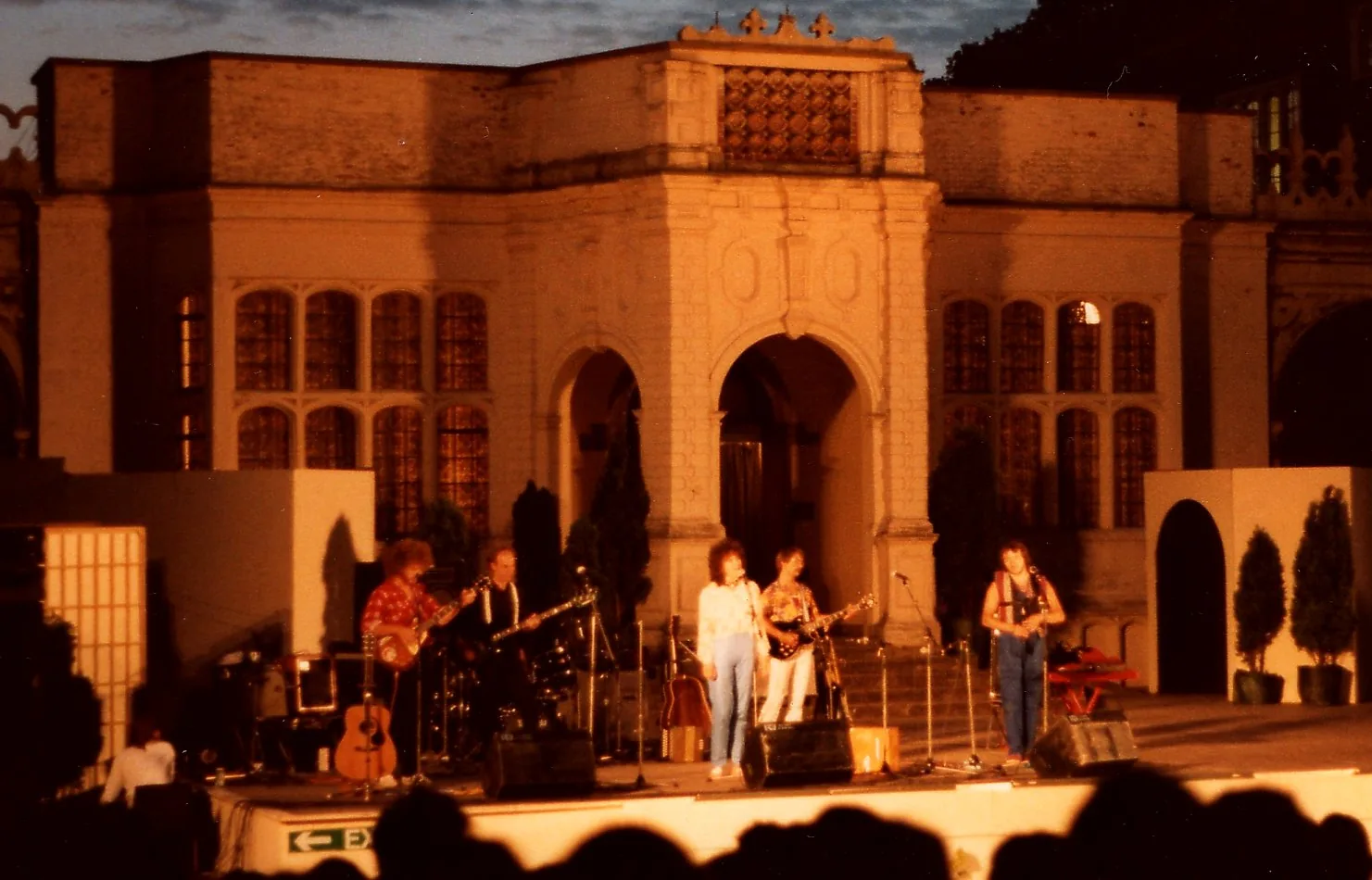
Contemporary folk music encompasses both artists who preserve traditional sounds and those who draw inspiration from the tradition to create new musical works. This musical genre continues to evolve and thrive in today’s musical landscape while remaining true to its roots.
Contemporary folk artists explore a variety of themes, ranging from love and everyday life to social and political issues. They use a combination of acoustic guitars, fiddles, banjos, and other instruments to create rich melodies and captivating vocal harmonies.
Some contemporary folk artists have established themselves as iconic figures of the genre, including Bob Dylan, Joan Baez, and Joni Mitchell. Their impact on folk music is undeniable, and their music continues to influence many artists today.
| Famous contemporary folk artists | Origin |
|---|---|
| Iron & Wine | United States |
| Agnes Obel | Denmark |
| Angus & Julia Stone | Australia |
| Beirut | United States |
Contemporary folk music truly reflects the richness and diversity of cultures around the world. It helps preserve and transmit the musical traditions and stories of different peoples while adapting to modern tastes and trends.
Contemporary folk music continues to hold a special place in the music industry, bringing an authentic, timeless dimension to local and international music scenes. Modern folk artists are both guardians of tradition and pioneers of new sonic experiments, thereby contributing to the vitality and diversity of folk music today.
Folk music is a living testament to history and cultural diversity, playing an essential role in preserving traditions and values. Originating in the United States, this musical genre encompasses various styles that emerged in the early 20th century and are closely linked to traditional music. By the middle of the century, traditional folk music had evolved into a more popular form, reaching its peak in the 1960s.
Beyond the United States, the folk movement spread to the United Kingdom and Ireland, where it was widely embraced. The British folk revival also played a major role in spreading this music. In Canada, folk music retains all its richness, particularly on the western prairies, where it is deeply rooted in the local culture. In France, the folk movement began in the 1960s with the creation of the first folk club in Paris, thereby contributing to the national music scene.
Today, the term “folk” encompasses both traditional music and contemporary music inspired by that tradition. Folk music continues to evolve and influence today’s music scene. It has played a major role in preserving and transmitting languages, stories, and cultural traditions. However, it is essential to consider cultural appropriation and respect the origins and meanings of different musical practices in order to preserve the authenticity of this rich and diverse musical heritage.
FAQ
What is folk music?
Folk music encompasses various musical genres that emerged in the early 20th century and are associated with traditional music.
When did folk music reach the height of its popularity?
Traditional folk music reached the height of its popularity in the 1960s.
Where did folk music spread outside the United States?
The folk movement spread to the United Kingdom and Ireland.
What role did the British folk movement play?
The British folk revival also played a role in spreading this music.
Where does folk music retain its full vitality in Canada?
Folk music retains its full vitality in Canada, particularly on the western prairies.
When did the folk movement begin in France?
The folk movement began in France in the 1960s with the creation of the first folk club in Paris.
What does the term “folk” encompass today?
Today, the term “folk” encompasses both traditional music and contemporary music inspired by that tradition.
How important has folk music been to cultural preservation?
Folk music has played an important role in preserving and transmitting languages, stories, and cultural traditions.
What concerns surround cultural appropriation in folk music?
It is important to consider cultural appropriation and respect the origins and meanings of different musical practices.