
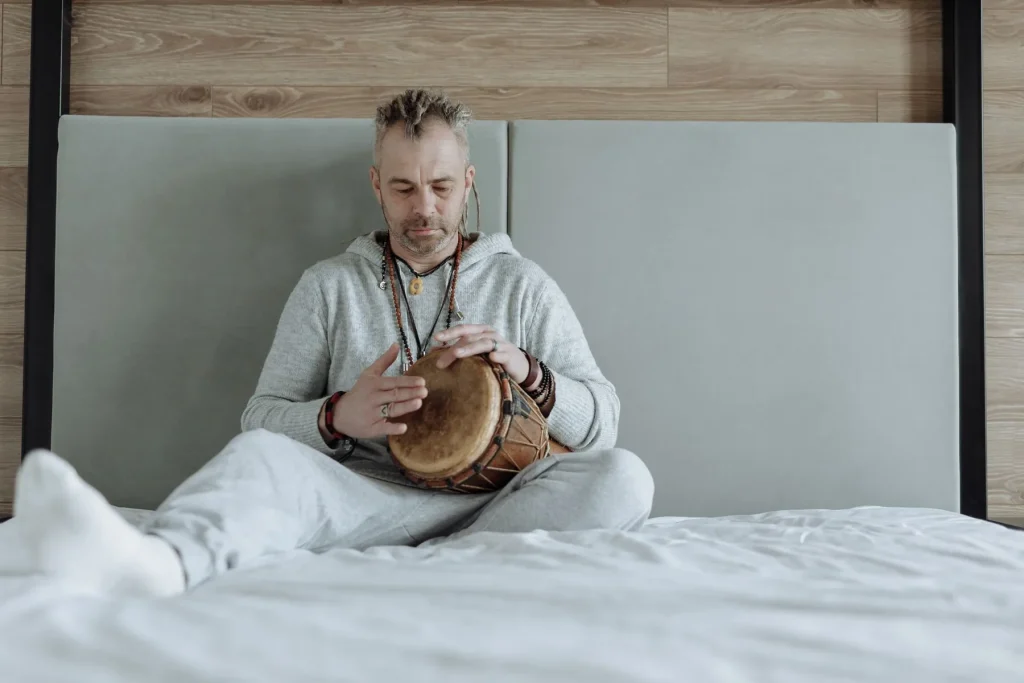
The djembe is an iconic drum originating from West Africa. Carved from a tree trunk, it is covered with goatskin. This captivating instrument appeals to both beginning musicians and experienced percussionists thanks to its rich sound.
It is much more than a simple musical tool. It is a true vehicle for connection and celebration within communities. Indeed, this instrument plays a central role in African music and has established itself worldwide.
This ultimate guide will explore the origins of the djembe, its handcrafted construction, and its unique sound characteristics. You will also discover its growing influence on contemporary music.
Introduction to percussion instruments
In the vast world of music, percussion instruments stand out for their ability to create dynamic sounds. These fascinating instruments produce sound when a surface is struck or vibrated. Whether it is a taut skin, a membrane, or a metal surface, each instrument has its own sonic personality.
There are many types of percussion instruments. Among the best known is the drum kit, which is essential in rock, pop, and jazz. It consists of a set of drums and cymbals played together. Other drums, such as congas and bongos, provide unique sounds. Barrel-shaped congas are often played by hand, while smaller bongos are used in genres such as salsa.
Melodic instruments such as xylophones are equally fascinating. Made from wooden or metal bars, they produce melodies when struck with mallets. They can be found in classical music, jazz, and even pop.
In a symphony orchestra, percussion plays a fundamental role. The snare drum, bass drum, and cymbals create dramatic highlights. The triangle and tambourine, meanwhile, add clear, bright sounds that enrich the ensemble.
The cultural diversity of percussion instruments is impressive. Every continent—from Africa and Latin America to Asia and the Middle East—offers unique musical traditions. African rhythms, for example, are often lively and complex, while Latin American music blends several cultural influences.
There are also other lesser-known yet equally captivating instruments. Maracas, the triangle, and the hand tambourine add further variety to the sound palette of world music. Each instrument contributes to the richness of musical styles, creating an endless variety of sonic textures and colors.
In short, percussion instruments play an essential role in music. They enrich every musical genre and serve as vehicles for cultural expression. To learn more about music education, you can read this article on techniques and tips for learning to play music.
Origins and history of the djembe in West Africa
This fascinating drum has its roots in the ancient traditions of West Africa. It originated in notable regions such as Guinea, Mali, Senegal, and Côte d’Ivoire. In these culturally rich societies, the instrument is far more than a simple musical object; it is a true means of communication and expression.
Used during various ceremonies, the djembe plays a central role in the daily life of communities. Whether celebrating a wedding, paying tribute at a funeral, or marking a communal gathering, this instrument is ever-present. Its rhythms resonate deeply within people’s souls, conveying messages and emotions across generations.
Rituals and cultures associated with the djembe
In West African cultures, the djembe is closely linked to rites and traditions. During harvest festivals, it accompanies singing and dancing, creating a festive atmosphere. Percussionists known as djembefolas master a variety of striking techniques. They produce mesmerizing rhythms ranging from lively to meditative.
Leading figures and masters of the traditional djembe
Among the legends of the djembe, Mamady Keïta stands out for his immense talent. His exceptional mastery made him an ambassador for African music worldwide.
“Music is a universal language that unites hearts.”
Famoudou Konaté, another undisputed master, has also inspired generations of musicians. His captivating performances have thrilled audiences while perpetuating Africa’s cultural heritage. Adama Dramé, an iconic figure, helped bring the instrument to audiences beyond the continent’s borders.
In short, the djembe illustrates the cultural diversity of West Africa. It bears witness to the richness of the region’s musical traditions and their lasting influence on music around the world. To explore this fascinating instrument further, you can read this article about the origins and history of the djembe.
| Master | Contributions | Impact |
|---|---|---|
| Mamady Keïta | Ambassador for African music | Worldwide recognition |
| Famoudou Konaté | Captivating performances | Inspiration for many musicians |
| Adama Dramé | Promotion of the instrument beyond national borders | Transmission of musical heritage |
The handcrafted construction of the djembe
Creating an African drum is a true art passed down from generation to generation. Each piece is unique and the product of exceptional craftsmanship. Master artisans, known as djembefolas, carefully select the materials to ensure optimal sound quality.
Materials used: carved wood and goatskin
The process begins with the selection of a tree trunk, often from species such as lenke, mahogany, or kapok. These woods are chosen for their acoustic properties and durability. Artisans hollow out the trunk to create its characteristic goblet shape.
Goatskin, for its part, plays a crucial role in sound quality. It is carefully prepared, soaked to make it supple, and then shaved before being attached. This natural membrane is precisely stretched across the drum’s opening, enabling it to produce a broad range of sounds, from deep bass notes to piercing highs.
Construction and tuning techniques
The techniques used to attach the skin are also essential. Braided ropes and traditional tuning systems make it possible to adjust the membrane’s tension. This directly affects the pitch and quality of the sounds produced by the instrument.
Every handmade drum reflects a rich culture. The unique combination of a carved wooden body and a taut skin gives the djembe its powerful, vibrant timbre. This craftsmanship is fundamental to preserving the African musical tradition.
In short, making a drum involves far more than carving wood; it means preserving a culture and passing on an identity. Every instrument tells a story: that of its artisan and the community from which it comes. To learn more about this art, you can read this article on how the djembe is made.
The djembe among percussion instruments: characteristics and diversity of sounds
In the world of music, this instrument stands out for its ability to produce a broad range of sounds. Its sound palette is unique, ranging from deep bass notes that resonate through the entire body to piercing highs that captivate the audience. This diversity makes the djembe a favored choice for many musicians.
Sound palette: from deep bass notes to piercing highs
The djembe offers three fundamental sounds. The bass sound is obtained by striking the center of the skin with the palm. The middle tone is produced by striking the edge with the fingers held together. Finally, the high-pitched slap is created by striking the edge with the fingers spread apart. Each type of stroke provides a distinct sonic color.
This combination of sounds enables percussionists to create mesmerizing rhythms. The richness and complexity of these rhythms make the instrument a true vehicle for emotional expression.
Comparison with other drums: congas, bongos, and timbales
To better understand what makes the djembe distinctive, it is useful to compare it with other drums. Congas, for example, are elongated barrel-shaped drums of Cuban origin. They are also played by hand, but they produce different sounds depending on which part of the skin is struck.
Bongos, meanwhile, are smaller and often used in genres such as salsa and jazz. They have distinct sound characteristics in terms of projection and timbre.
Finally, timbales are cone-shaped drums played with sticks. They produce varied sounds depending on which part of the head is struck, providing an interesting contrast with the djembe’s bare-handed playing style.
What makes the djembe unique is its goblet shape, its handcrafted wooden body and goatskin head, and above all its exceptional variety of sounds. It therefore goes beyond being a simple drum to become a fully fledged melodic and rhythmic instrument.
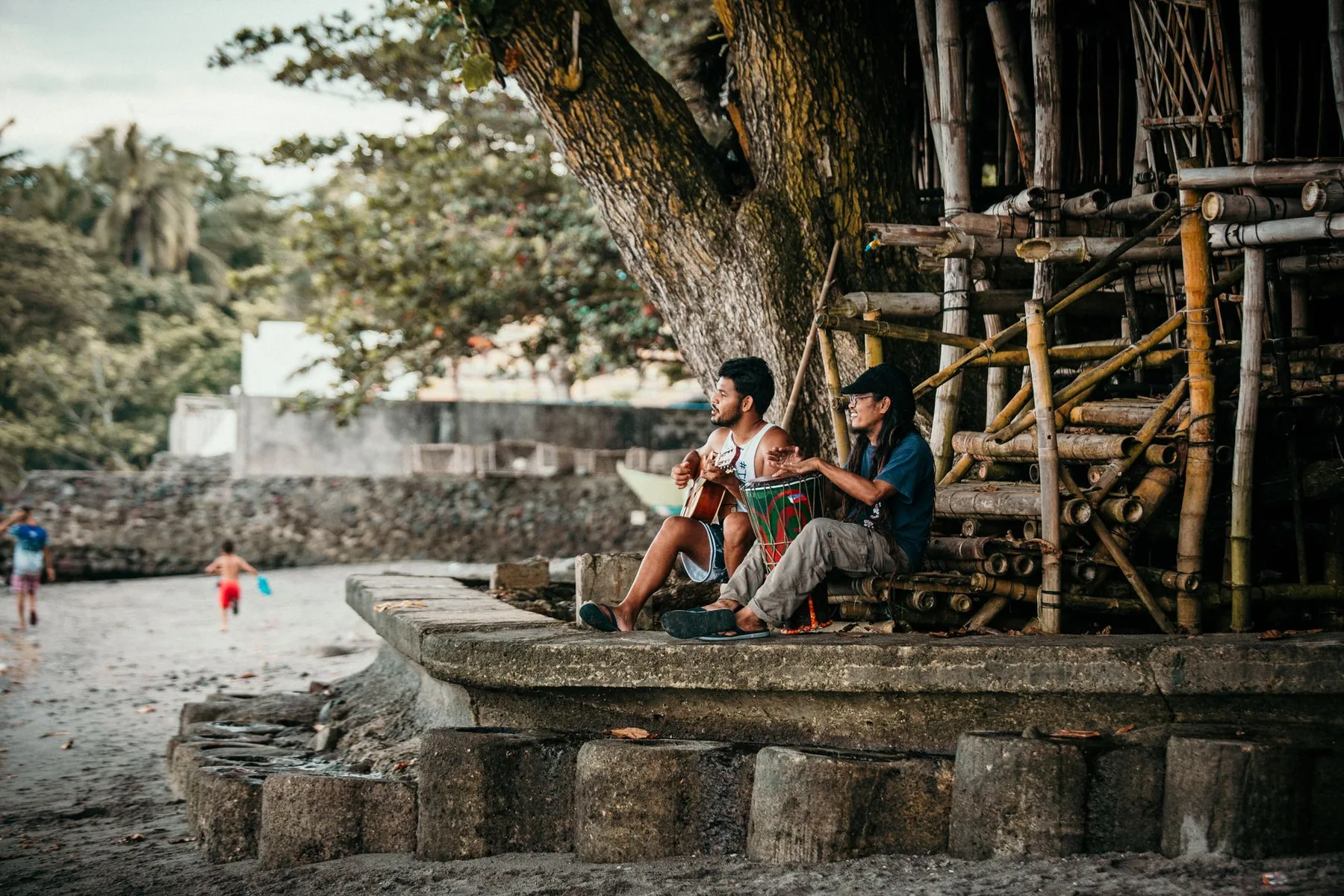
| Type of drum | Origin | Sound characteristics |
|---|---|---|
| Djembe | West Africa | Deep bass notes, piercing highs |
| Conga | Cuba | Varied sounds depending on the area struck |
| Bongo | Cuba | Distinct projection and timbre |
| Timbale | Cuba | Different sounds produced with sticks |
The cultural and symbolic role of the djembe
Far more than a simple instrument, this musical tool embodies a profound connection between communities and their traditions. Used in a variety of settings, it is an essential vehicle for expression and sharing. Whether during ceremonies, celebrations, or communal gatherings, it plays a central role in the daily life of African societies.
Use in African ceremonies, celebrations, and traditions
The drum is ever-present in traditional African ceremonies. It accompanies weddings, providing rhythms for celebratory dances and songs. In this way, it creates an atmosphere of joy and fellowship among all participants.
- At weddings, it invites people to dance and celebrate together.
- At funerals, its deep, solemn rhythms help accompany the deceased into the afterlife.
- Harvest festivals and seasonal celebrations strengthen social and cultural ties through its mesmerizing rhythms.
Every drumbeat becomes an invitation to dance, celebrate, and escape. This music is not limited to sound; it forges bonds and nourishes the community spirit.
The djembe as a universal language and vehicle for cultural transmission
The drum transcends linguistic and cultural barriers. It enables musicians and listeners to communicate and share emotions through the language of rhythms and vibrations. As a famous percussionist observed:
“Music is a universal language that unites hearts.”
This ability to bring people together is especially valuable. The drum also serves as a vehicle for cultural transmission. Elders teach younger generations the traditional rhythms, songs, and dances that form the intangible heritage of African cultures.
Furthermore, this instrument is considered sacred. It connects the world of the living with that of ancestors and spirits, carrying age-old wisdom and history. By playing, every percussionist participates in an act of sharing and unity, thereby strengthening collective harmony.
To learn more about the drum’s cultural importance, you can read this article on the origins and cultural significance of the djembe.
Playing techniques and tips for playing the djembe well
Mastering drum-playing techniques is essential for any musician who wants to explore its rich sound. Whether you are a beginner or an experienced percussionist, this instrument offers an immersive and rewarding musical experience. Djembefolas master a variety of techniques that produce captivating sounds, ranging from lively rhythms to meditative melodies.
Posture, hand strokes, and fundamental rhythms
To play correctly, adopting good posture is crucial. Position the instrument between your legs or use a strap. Keep your back straight and your shoulders relaxed. This will provide optimal freedom of movement for your arms and hands during extended sessions.
Hand-striking techniques are equally fundamental. There are three essential strokes to master:
- Bass stroke: at the center, using the palm.
- Middle stroke: at the edge, with the fingers held together.
- High-pitched slap: at the edge, with the fingers spread apart.
Each technique produces a distinct sound, enriching the instrument’s sound palette.
Fundamental rhythms, such as the basic duple rhythm, are the first to learn. They form the foundation of all learning and allow you to develop your technique and musicality gradually.
Developing creativity and musical experience with the djembe
To stimulate your creativity, experiment with different combinations of strokes. Vary the intensity and tempo to explore the endless possibilities offered by this instrument. Regular practice enriches your musical experience. It develops your sense of rhythm, your musical ear, and your ability to improvise.
Advanced techniques such as rolls and muted strokes expand your rhythmic vocabulary. They express the full richness of your musical experience. Joining drumming circles and group workshops is also an excellent way to learn. It encourages sharing and mutual listening, both of which are essential for making progress.
The djembe’s influence on contemporary and global music
The African drum has established itself on music stages around the world. Its growing influence can be heard in many genres, from jazz and world music to musical fusion projects. This drum contributes a unique sonic color and rhythmic richness that enhance the listener’s musical experience.
Presence in jazz, world music, and musical fusion
In contemporary jazz, innovative musicians combine traditional African rhythms with the genre’s sophisticated harmonies. This creates captivating musical combinations that push the boundaries between styles. The drum thus becomes a central element, adding an organic dimension to compositions.
In world music, moreover, the instrument enters into dialogue with instruments from many different cultures. This builds bridges between cultures, offering audiences unique, hybrid listening experiences. Musical fusion projects draw on this richness by incorporating a variety of elements to enrich the soundscape.
Educational use and its role in modern performances
The African drum also plays an essential educational role in music schools and teaching workshops. Thanks to its accessibility and playful character, it is used as an introductory instrument for African percussion. This allows learners of all ages to discover the richness of rhythms from around the world.
In modern performances, the instrument has found a place in contemporary dance productions and popular-music concerts. It adds a vibrant dimension that contrasts with electronic sounds, enriching the audience’s musical experience. Its inclusion in orchestras and modern percussion ensembles makes it possible to create complex rhythmic textures and a great variety of sounds.
In short, the African drum has a significant impact on the international music scene. Increasing numbers of musicians and groups incorporate the instrument into their compositions, helping African culture shine while enriching the world of contemporary music.
Conclusion
The African drum is far more than a simple musical tool; it is an invitation to immerse yourself in the richness of rhythmic culture. Whether you are a novice or an experienced musician, this instrument offers an immersive experience. By playing it, you connect with an ancestral tradition while sharing the joy of creating captivating rhythms.
Its handcrafted construction, combining carved wood and goatskin, reflects the cultural heritage of West Africa. With its varied sound palette, the instrument stands out for its ability to produce sounds ranging from deep bass notes to piercing highs. It is a true vehicle for expression and is essential during ceremonies and gatherings.
We encourage you to explore this musical world. Whether for pleasure or to enrich your experience, joining a percussion circle can be an inexhaustible source of creativity. The African drum also fits naturally into modern settings, from jazz to world music. Every stroke celebrates life and universal harmony.