
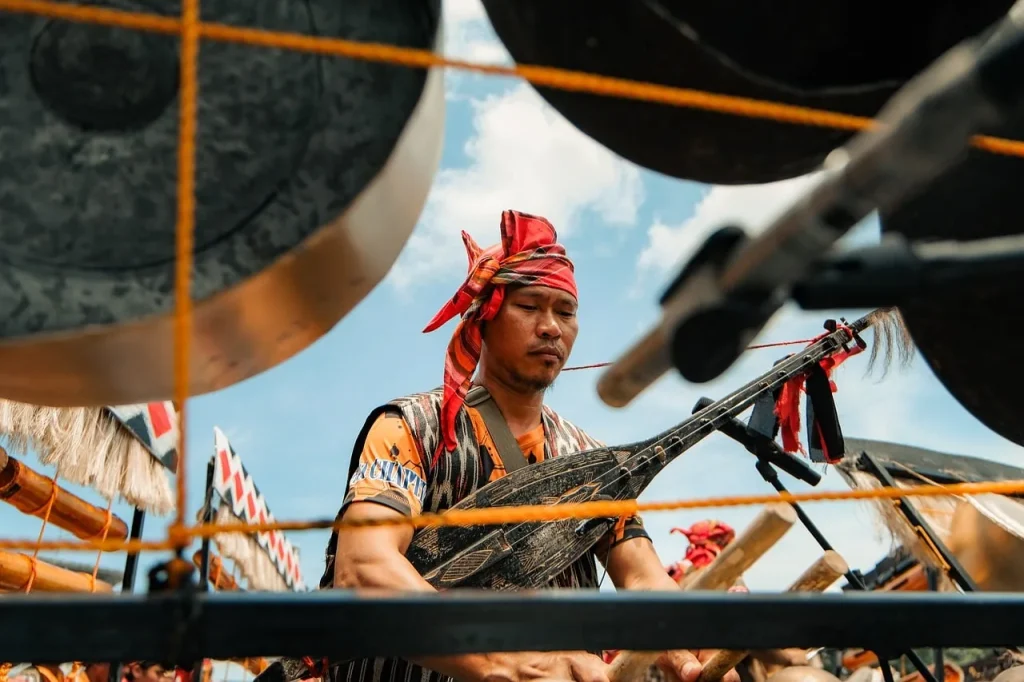
Folk music across different cultures offers a wealth of unique musical perspectives and styles that reflect each community’s traditions and cultural identity. Folk music encompasses both traditional music and the popular music derived from it. This musical genre is characterized by its diversity and its ability to evolve across different cultures around the world.
Traditional folk music, also known as musical traditions, is passed down orally from generation to generation. It is performed on traditional instruments that vary by region and culture. Traditional folk music is a form of expression deeply rooted in communities’ cultural identity and differs from commercial and classical musical styles.
During the 20th century, folk music underwent a second revival, giving rise to the genre of contemporary folk music. This movement produced fusion genres such as folk rock and folk metal, which combine traditional folk influences with modern elements. Contemporary folk music is often distinct from traditional folk music, although the two genres share many artists and performance venues.
Folk music is often associated with folk dance, an important part of many cultures around the world. Folk songs generally have strophic structures, with repetitive choruses that encourage active audience participation. The singing style used in folk music varies between cultures and includes techniques such as parlando-rubato and tempo giusto, which add a distinctive quality to each performance.
Some epic songs and folk dances feature elements of polyphony and improvisation. These forms of expression give folk artists greater freedom in interpretation and musical exploration. This contributes to the richness and diversity of the styles found in folk music.
Cultural diversity lies at the heart of folk music, and popular and traditional music from other countries often significantly influences the development of folk music in different cultures. This continually enriches the genre and helps preserve each community’s musical heritage.
By exploring folk music across different cultures, we discover a multitude of fascinating musical perspectives and styles that reflect the richness and diversity of the world’s cultural heritage. Whether through traditional music or contemporary fusion genres, folk music continues to captivate listeners and celebrate the creativity and artistic expression of every community.
Stay tuned to learn more about traditional folk music, contemporary folk music, popular music, and the musical traditions that form an integral part of our world’s cultural fabric.
Traditional folk music: oral transmission and traditional instruments
Traditional folk music is passed down orally from generation to generation and played on traditional instruments, thereby helping to preserve cultural identity. It is a musical genre rooted in the traditions and customs of different cultures around the world.
Oral transmission is one of the most important aspects of traditional folk music. Songs are passed down informally from parents to children and from teachers to students, preserving each community’s stories and cultural values. This method of transmission also encourages a degree of improvisation and the adaptation of songs to suit different performers and contexts.
Traditional instruments also play an essential role in folk music. They vary from one culture to another but often include instruments such as the acoustic guitar, banjo, violin, flute, mandolin, and ukulele. These instruments give the music a unique sonic texture and reinforce both its authenticity and its connection to its cultural roots.
The importance of traditional folk music in preserving cultural identity
Traditional folk music plays a crucial role in preserving cultural identity. It reflects the customs, stories, and experiences of different communities and strengthens their sense of belonging and pride. It is also a means of passing cultural values on to future generations and preserving traditions that might otherwise be forgotten.
This is why preserving and promoting traditional folk music is essential. By supporting it, we not only preserve a rich musical heritage, but also ensure that future generations have the opportunity to discover and understand the cultures and traditions of their ancestors.
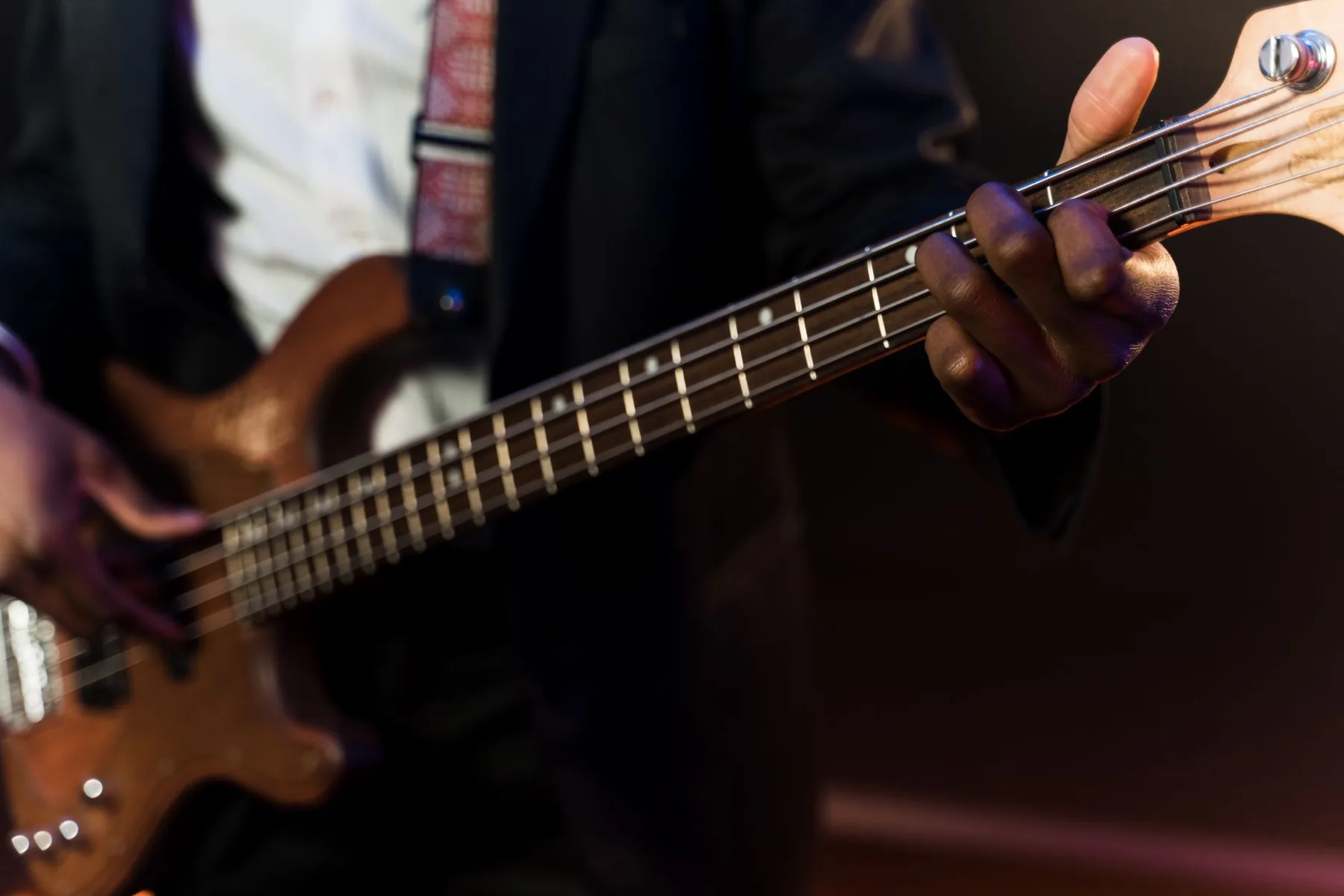
| Traditional instruments | Country of origin |
|---|---|
| Acoustic guitar | United States |
| Banjo | West Africa |
| Violin | Western Europe |
| Flute | Worldwide |
| Mandolin | Italy |
| Ukulele | Hawaii |
Traditional folk music is a cultural treasure that deserves to be preserved and celebrated. It connects us to our roots and allows us to understand and appreciate different musical perspectives and styles from around the world. By listening to and playing traditional folk music, we can travel through time and space and discover the richness and diversity of the cultures around us.
Contemporary folk music: the second revival and fusion genres
During the 20th century, contemporary folk music evolved with the emergence of the second folk revival and the rise of fusion genres that influenced the musical landscape. This new movement was characterized by renewed interest in traditional folk music, as well as an openness to new forms of expression and its fusion with other musical genres.
The second folk revival was marked by the emergence of a new generation of folk musicians who drew inspiration from the musical traditions of the past while adding a modern touch. Artists such as Bob Dylan, Joan Baez, and Pete Seeger stood at the forefront of this movement, popularizing folk music among a wider audience and influencing many contemporary artists.
Among the fusion genres that emerged, folk rock and folk metal grew in popularity. Folk rock combined elements of traditional folk music with the electric sounds of rock, creating a new musical aesthetic. Groups such as Simon & Garfunkel and Crosby, Stills, Nash & Young were at the forefront of this movement, further increasing the genre’s popularity.
Folk metal, meanwhile, fused elements of folk music with heavy metal to create a powerful, energetic sound. Bands such as Eluveitie and Korpiklaani pioneered the genre by combining traditional instruments with heavy guitar riffs and fast rhythms.
In summary, contemporary folk music evolved significantly during the 20th century with the emergence of the second folk revival and fusion genres such as folk rock and folk metal. These movements influenced the musical landscape and contributed to the diversity and richness of folk music across different cultures.
Folk music and folk dance: influence and structure
Folk music is often associated with folk dance, while folk songs are characterized by strophic structures and a variety of singing styles specific to each culture. When exploring folk music in different cultures, it is interesting to note its influence on folk dance and how folk songs provide the basis for this form of physical expression.
Folk dancing is often practiced in groups and gives communities a way to preserve and celebrate their cultural heritage. It can take various forms, from circle and line dances to partner dances. Folk music provides the rhythm and inspiration needed for these dances, while the lyrics of folk songs may tell stories or convey teachings, giving dancers a broader cultural context.
In folk music, folk songs often have a strophic structure, with repeated verses and a chorus. This structure makes songs easier to memorize and pass on through oral transmission, enabling the tradition to endure from generation to generation. Singing styles in folk music vary between cultures and include techniques such as parlando-rubato, which allows for rhythmic and expressive variations, and tempo giusto, which emphasizes a steady rhythm.
Example of a folk song:
“The wind blows over the hills,
The birds sing in the trees,
We dance and sing together,
Let us celebrate our culture and heritage.”
In addition to strophic structure, some epic songs and folk dances allow for polyphonic styles and improvisation. These elements provide greater freedom of artistic expression and allow performers to connect more deeply with the music and dance. Polyphony gives folk music a rich texture, while improvisation allows dancers to create spontaneous, unique movements.
Folk music is often influenced by other musical genres, including popular music and traditional music from other countries. These influences enrich folk music’s diversity and contribute to its continued evolution. Folk dance also evolves over time, incorporating new influences and adapting to contemporary styles while preserving its traditional essence.
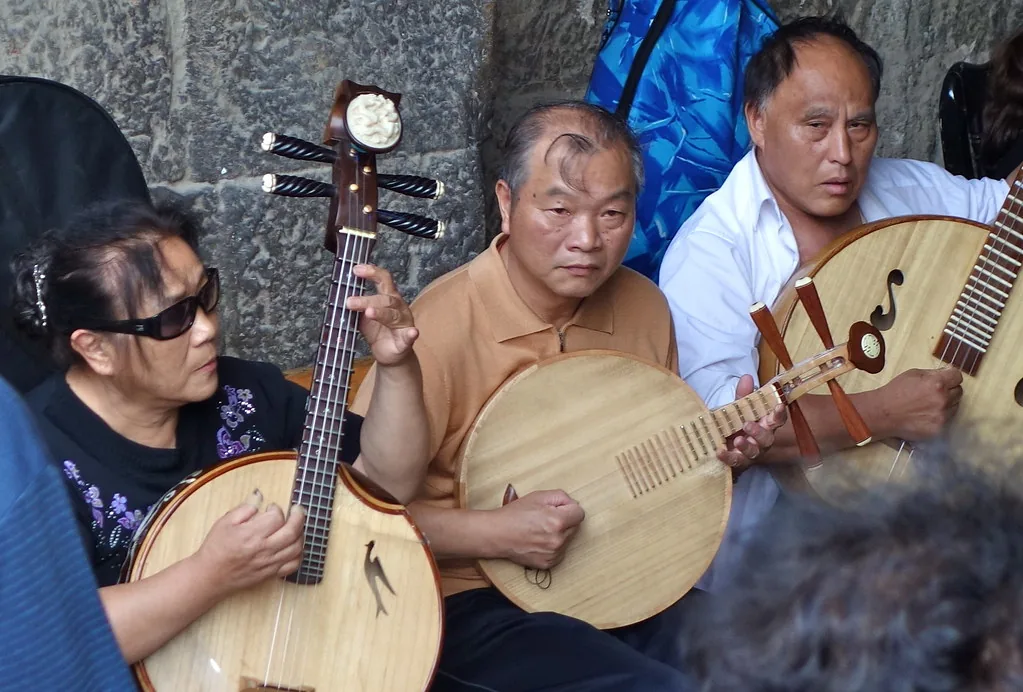
| Folk songs | Strophic structures | Singing style |
|---|---|---|
| John Barleycorn | Verse – Chorus | Parlando-rubato |
| Scarborough Fair | Verse – Chorus | Tempo giusto |
| La Llorona | Verse – Chorus | Parlando-rubato |
Polyphony and improvisation in folk music: epic songs and folk dances
In addition to strophic structure, some epic songs and folk dances allow for polyphonic styles and improvisation, bringing a richer artistic dimension to folk music. These elements allow folk musicians and dancers to push the boundaries of creativity and add a personal touch to their performances.
Polyphony, meaning the presence of several simultaneous voices, is particularly common in folk epic songs. These narrative songs, which often tell epic and heroic stories, are generally performed by a group of singers simultaneously singing different melodic parts. This polyphony creates a complex, captivating sonic texture that transports listeners into a fantastic world.
Improvisation is also an essential aspect of folk music. While respecting the basic melody, folk musicians are free to contribute their own interpretation and create variations as they perform. This spontaneity and creativity give each performance a unique dimension, allowing artists to express their individuality and preserve the freshness of folk music.
| Folk epic songs | Folk dances |
|---|---|
| Folk epic songs are generally accompanied by traditional instruments such as the acoustic guitar, violin, mandolin, or bagpipes. Their lyrics are narrative in nature and address historical or mythological subjects. | Folk dances are a way to celebrate a community’s culture and traditions. They are often performed in groups and involve synchronized movements and specific steps. Dancers may also incorporate elements of polyphony and improvisation into their performances. |
Polyphony and improvisation in folk music allow artists to express themselves authentically and emotionally, creating a deep connection between them and their audience. This musical freedom is what makes folklore so vibrant and captivating.
Image alt tag: epic songs and folk dances
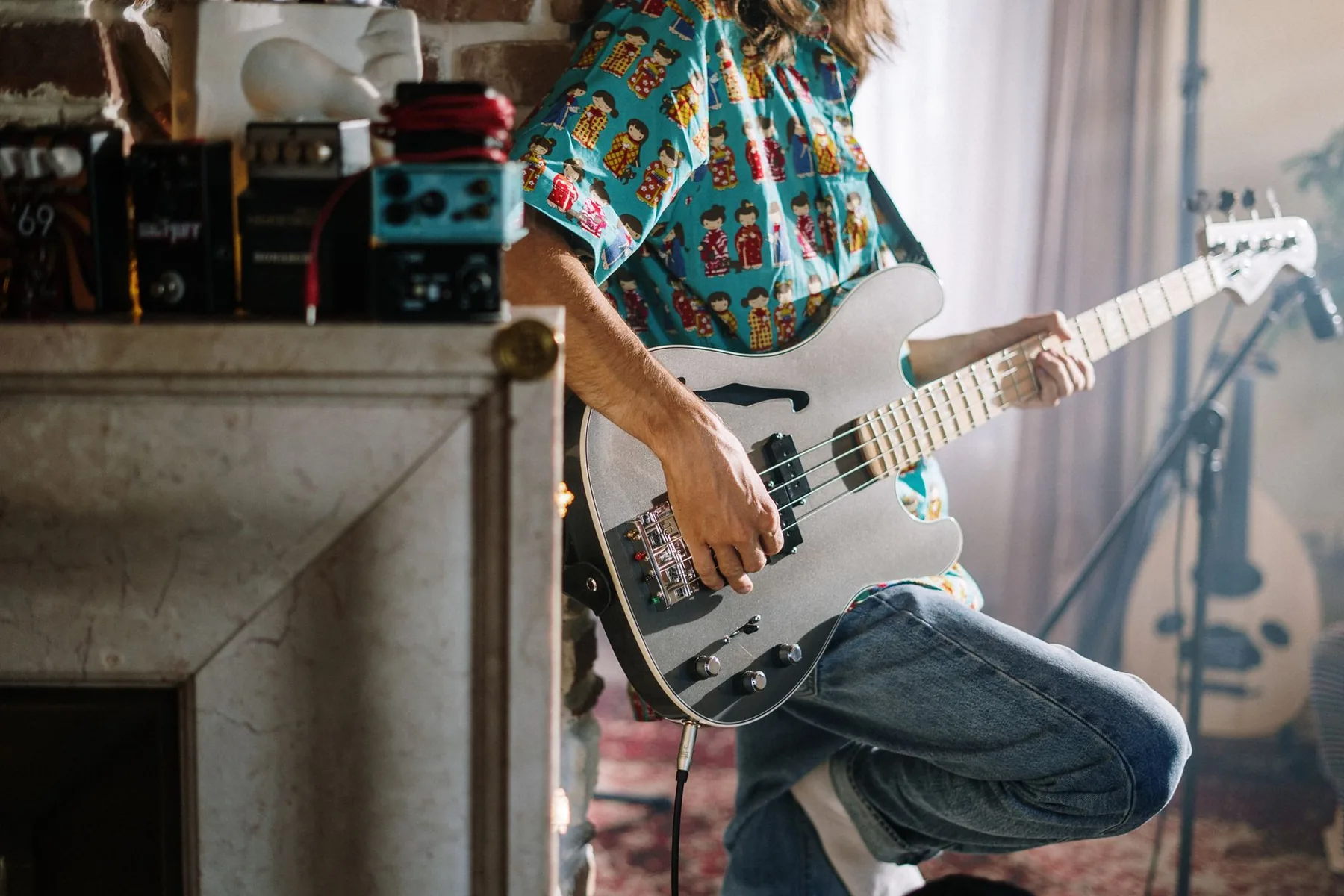
In conclusion, folk music across different cultures offers a multitude of musical perspectives and styles, reflecting the richness of cultural diversity and musical heritage around the world.
Folk music encompasses both traditional music and the contemporary genre that evolved from it during the 20th-century folk revival. Traditional folk music is distinguished by its oral transmission and use of traditional instruments, while remaining deeply rooted in cultural identity. Its more authentic and often more accessible nature sets it apart from commercial and classical styles.
During the 20th century, a new form of popular folk music emerged, known as the second folk revival. This movement gave rise to fusion genres such as folk rock and folk metal, which added a contemporary touch to folk music. Although contemporary folk music is generally distinct from traditional folk music, the two often share performers and venues, demonstrating the continuity and evolution of the folk music heritage.
Folk music is often associated with folk dance, and folk songs are frequently arranged in stanzas. The singing style varies between cultures, with techniques such as parlando-rubato and tempo giusto adding an expressive and emotional dimension to performances. In addition to strophic structures, some epic songs and folk dances allow for polyphonic styles and improvisation, offering greater freedom of artistic expression.
Folk music reflects cultures and traditions from around the world and is often influenced by popular music and traditional music from other countries. Its diversity and capacity to evolve demonstrate its importance as a living musical heritage passed down from generation to generation. Whether celebrating cultural roots or exploring new sounds, folk music remains a source of inspiration and a means of connecting people and communities around the world.
FAQ
What is folk music?
Folk music across different cultures is characterized by diverse perspectives and styles. Folk music encompasses both traditional music and the contemporary genre that evolved from it during the 20th-century folk revival.
What is traditional folk music?
Traditional folk music is transmitted orally, played on traditional instruments, and tied to cultural identity. It differs from commercial and classical styles.
What is contemporary folk music?
Contemporary folk music also includes fusion genres such as folk rock and folk metal. Although contemporary folk music is generally distinct from traditional folk music, the two often share the same performers and venues.
What is the connection between folk music and folk dance?
Folk music is often associated with folk dance, and folk songs frequently have strophic structures. The singing style varies between cultures, with techniques such as parlando-rubato and tempo giusto.
How does folk music allow for polyphonic styles and improvisation?
In addition to strophic forms, some epic songs and folk dances allow for polyphonic styles and improvisation.
How is folk music influenced by other musical genres?
Folk music is often influenced by popular music and traditional music from other countries.