

Folk music has played a crucial role in the development and evolution of many musical genres. It has successfully influenced and shaped genres such as folk rock, electric folk, folk metal, folk blues, and many others. This influence has had a major impact on musical adaptation and the fusion of different styles.
One of the most iconic forms of folk music‘s influence is folk rock. This musical genre, which emerged in the 1960s in the United States and the United Kingdom, skillfully blends elements of folk and rock music. Artists such as Bob Dylan and Joan Baez played a key role in the rise of folk rock, propelling the genre into the spotlight. Folk rock has also been associated with protest music, with songs addressing social and political issues.
In addition to folk rock, folk music has also influenced other genres such as electric folk, folk metal, and folk blues. Each of these genres has incorporated folk elements into its distinctive musical style. Electric folk, for example, is a fusion of folk and electronic music, while folk metal combines folk sounds with elements of heavy metal. Folk blues, meanwhile, combines elements of folk music with traditional blues.
Folk music continues to play an important role in the contemporary musical landscape. Bands such as Mumford and Sons and The Lumineers have successfully incorporated folk elements into their popular music, creating a unique and recognizable sound. Folk music also retains a prominent place in the musical tradition, reminding us of the importance of folk melodies and traditional music in the evolution of new musical genres.
In conclusion, there is no denying that folk music has exerted a significant influence on many musical genres. Its musical adaptation and fusion with other styles have helped shape the contemporary musical landscape and create unique hybrid genres. Folk music continues to inspire new artists and play an essential role in the evolution of music.
The Influence of Folk Music on Folk Rock
Folk rock is a musical genre born from the fusion of folk music and rock. Artists such as Bob Dylan and Joan Baez contributed to its development. The genre emerged in the United States and the United Kingdom in the 1960s, introducing a new sound that combined the melodic elements of folk music with the energy and attitude of rock.
Bob Dylan is considered one of the pioneers of folk rock, with songs such as “Blowin’ in the Wind” and “Like a Rolling Stone,” which made music history. His music was deeply rooted in folk traditions, but he managed to transform it into something new by adding rock elements, subsequently influencing many artists.
Joan Baez is another major artist from this period, known for her political activism and protest music. Her powerful performances and socially conscious songs helped establish the connection between folk music and protest music in the context of folk rock.
“Folk rock is the expression of a generation that sought to reinvent traditional music by combining it with the electric sounds and socially conscious lyrics of rock.” — Bob Dylan
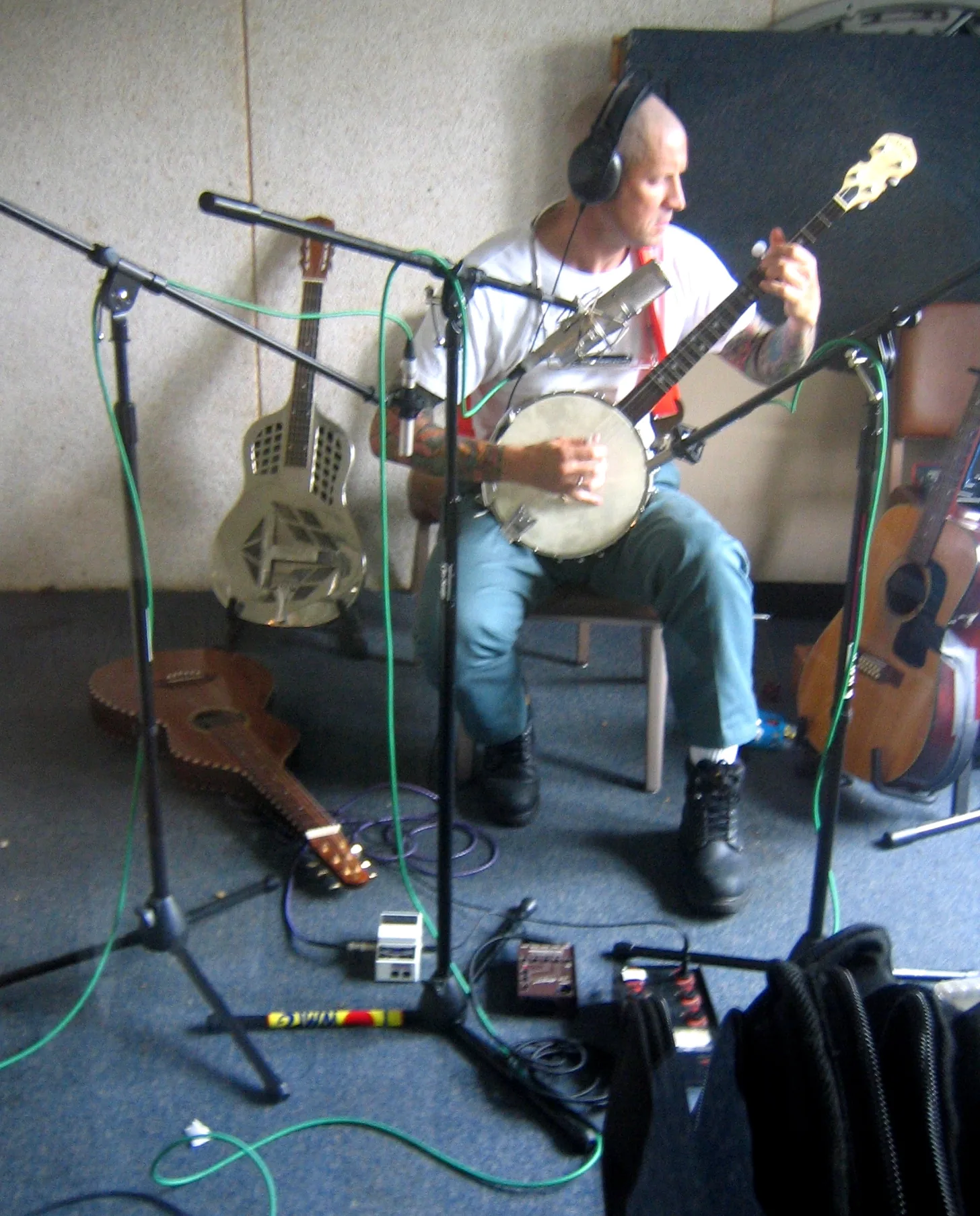
Today, folk rock continues to influence many artists and captivate listeners around the world. Bands such as Mumford and Sons and The Lumineers have successfully incorporated folk elements into their popular music, bringing a contemporary touch to a genre that has endured for decades.
The Influence of Folk Music on Folk Rock
| Influential artists | Iconic songs |
|---|---|
| Bob Dylan | “Blowin’ in the Wind,” “Like a Rolling Stone” |
| Joan Baez | “We Shall Overcome,” “Diamonds and Rust” |
| The Byrds | “Mr. Tambourine Man,” “Turn! Turn! Turn!” |
Folk rock has left an indelible mark on music history, and its influence continues to be felt today. Thanks to visionary artists such as Bob Dylan and Joan Baez, folk rock paved the way for new forms of musical expression, blending the traditions of the past with the innovative sounds of rock.
The Influence of Folk Music on Electric Folk, Folk Metal, and Folk Blues
Electric folk, folk metal, and folk blues are musical genres that have incorporated elements of folk music, creating unique and captivating sounds. In electric folk, traditional folk music is amplified and accompanied by electric instruments, giving timeless melodies a new dimension. Bands such as Fairport Convention and Steeleye Span pioneered this genre by incorporating rock elements into folk music, creating a dynamic fusion.
Folk metal, meanwhile, combines elements of folk music with the energetic and powerful sounds of metal. Bands such as Eluveitie and Ensiferum combine folk instruments, such as bagpipes and violins, with heavy electric guitars and the fast rhythms of metal. This unique fusion offers an intense musical experience that blends tradition and modernity.
Folk blues is a genre that combines the roots of blues with elements of folk music. It emphasizes narrative lyrics and simple instrumentation, often based on the use of an acoustic guitar. Artists such as Leadbelly and Mississippi John Hurt are known for their authentic folk-blues performances, which capture the raw emotion and simplicity of this musical genre.
| Genres | Iconic artists |
|---|---|
| Electric folk | Fairport Convention, Steeleye Span |
| Folk metal | Eluveitie, Ensiferum |
| Folk blues | Leadbelly, Mississippi John Hurt |
The incorporation of folk music into these genres has created an exciting musical diversity that continues to influence many artists around the world. The unique sounds of electric folk, folk metal, and folk blues have enabled these genres to stand out and attract an ever-growing audience. Folk music thus remains an inexhaustible source of inspiration, and its influence continues to be felt in the contemporary musical landscape.
Folk music continues to play an essential role in contemporary music, with artists such as Mumford and Sons and The Lumineers incorporating folk elements into their hit songs. These bands have managed to captivate a wide audience with their unique blend of folk sounds, catchy melodies, and heartfelt lyrics. Their music speaks to people of different generations and transcends cultural barriers.
A key aspect of folk music’s influence on the contemporary musical landscape is the way contemporary artists adapt it to their own styles and fuse it with other genres. Mumford and Sons, for example, added rock and pop elements to their folk sound, creating a distinctive sound of their own. Similarly, The Lumineers blended folk harmonies with pop accents to create moving and catchy songs.
Example quotation:
To me, folk music is an authentic and timeless form of expression. It makes it possible to tell stories, convey emotions, and create a deep connection with the audience. It is a musical genre with real value that continues to inspire many contemporary artists.
The popularity of folk music in the contemporary musical landscape is also reinforced by its timeless and universal character. Folk songs often address universal themes such as love, loss, nature, and personal identity, making them accessible to a wide range of listeners. Moreover, the simplicity and authenticity of folk music resonate with people seeking a genuine emotional connection through music.
In conclusion, folk music continues to have a significant impact on the contemporary musical landscape, and artists such as Mumford and Sons and The Lumineers have successfully incorporated folk elements into their popular music. Folk music offers an authentic and timeless voice that speaks to listeners’ hearts, and its ability to adapt and fuse with other genres ensures its lasting relevance within the musical tradition.
| Artist | Musical genre | Folk influence |
|---|---|---|
| Mumford and Sons | Indie folk rock | Incorporates folk melodies into rock and pop sounds |
| The Lumineers | Indie folk | Uses folk harmonies with a pop approach |
Folk music has evolved constantly over the years, bringing new perspectives and inspiration to other musical genres. Folk melodies, rooted in the musical tradition, have been adapted and incorporated into genres such as electric folk, folk metal, folk blues, folk punk, folk jazz, and many others. This evolution has contributed to the emergence of new musical movements, bringing richness and diversity to the contemporary musical landscape.
Folk rock is one of the genres that has benefited most from the influence of folk music. Emerging in the 1960s in the United States and the United Kingdom, folk rock blends elements of folk and rock music. Iconic bands such as The Byrds helped popularize the genre, but it was chiefly thanks to artists such as Bob Dylan and Joan Baez that folk rock reached its peak. Their songs, often socially and politically engaged, defined this period and inspired many other artists.
Electric folk, folk metal, and folk blues are other genres that have also been influenced by folk music. Electric folk, for example, incorporates electric instruments and more modern sounds while preserving its folk roots. Folk metal, meanwhile, fuses elements of folk and heavy metal, creating a powerful and epic sound. Folk blues is a blend of traditional blues and folk sounds, giving rise to expressive and moving music.
Folk music continues to be a creative force in the contemporary musical landscape. Popular artists such as Mumford and Sons and The Lumineers have successfully incorporated folk elements into their music, bringing freshness and authenticity to their sound. The musical tradition and folk melodies continue to inspire new emerging genres, demonstrating the lasting impact of folk music on today’s music scene.

| Genres influenced by folk music | Iconic artists |
|---|---|
| Folk rock | Bob Dylan, Joan Baez |
| Electric folk | Fairport Convention, Steeleye Span |
| Folk metal | Eluveitie, Finntroll |
| Folk blues | Lead Belly, Taj Mahal |
Conclusion
In conclusion, folk music has played a major role in the evolution and expansion of many musical genres, leaving a lasting mark on contemporary music. Folk music has influenced genres such as folk rock, electric folk, folk metal, folk blues, and many others. The fusion of folk music with other genres has created new sounds and enriched musical diversity.
Folk rock, for example, emerged in the 1960s thanks to bands such as The Byrds and artists such as Bob Dylan and Joan Baez. This genre blended elements of folk and rock music while addressing important sociopolitical themes. Folk music has also influenced specialized genres such as electric folk, folk metal, and folk blues, giving rise to unique subgenres with their own distinctive characteristics.
In the contemporary musical landscape, folk music continues to find its place thanks to modern artists such as Mumford and Sons and The Lumineers. These musicians incorporate folk elements into their popular music, creating a connection between the past and present. Folk music has evolved over time, but its enduring influence can be felt in new emerging musical genres inspired by the folk musical tradition.
In short, folk music has been a true catalyst in the world of music, influencing and inspiring many artists across the decades. Its adaptability and ability to fuse with other genres have enabled it to remain relevant and leave an indelible mark on contemporary music.
FAQ
How has folk music influenced other musical genres?
Folk music has a significant influence on other musical genres such as folk rock, electric folk, folk metal, folk blues, folk punk, folk jazz, and more. It has inspired the adaptation and fusion of different musical elements.
What is folk rock?
Folk rock is a musical genre that blends elements of folk and rock music. It emerged in the United States and the United Kingdom in the 1960s and was popularized by bands such as The Byrds. Artists such as Bob Dylan and Joan Baez contributed to its fame.
How did folk music influence folk rock?
Folk music influenced folk rock by introducing sociopolitical themes and addressing issues of protest. Iconic artists such as Bob Dylan and Joan Baez used folk music as a means of political expression in a context of social change.
What other musical genres have been influenced by folk music?
In addition to folk rock, folk music has also influenced other genres such as electric folk, folk metal, and folk blues. Each genre adapted folk music to its own aesthetic, incorporating its characteristic elements into a new musical form.
What place does folk music hold in the contemporary musical landscape?
Folk music continues to hold an important place in the contemporary musical landscape. Modern artists such as Mumford and Sons and The Lumineers incorporate folk elements into their popular music while carrying on the folk musical tradition.
How has folk music evolved over time, and what impact has it had on other musical genres?
Folk music has evolved over time, drawing richness from folk melodies and the musical tradition. This evolution has affected other musical genres, inspiring new emerging genres and influencing musical creation and experimentation.